The Return of the Grand Foyer

Image Credits: Lepang Ferguson

Why entrances are becoming architectural statements again

There was a period when the foyer almost disappeared entirely. Open-plan living dissolved the formality of arrival, reducing entrances to little more than transitional spaces, functional, efficient, and largely forgettable. But luxury interiors are shifting once again, and with them comes the return of something more cinematic: the grand foyer.

Not grand in the excessive sense, but grand in intention.

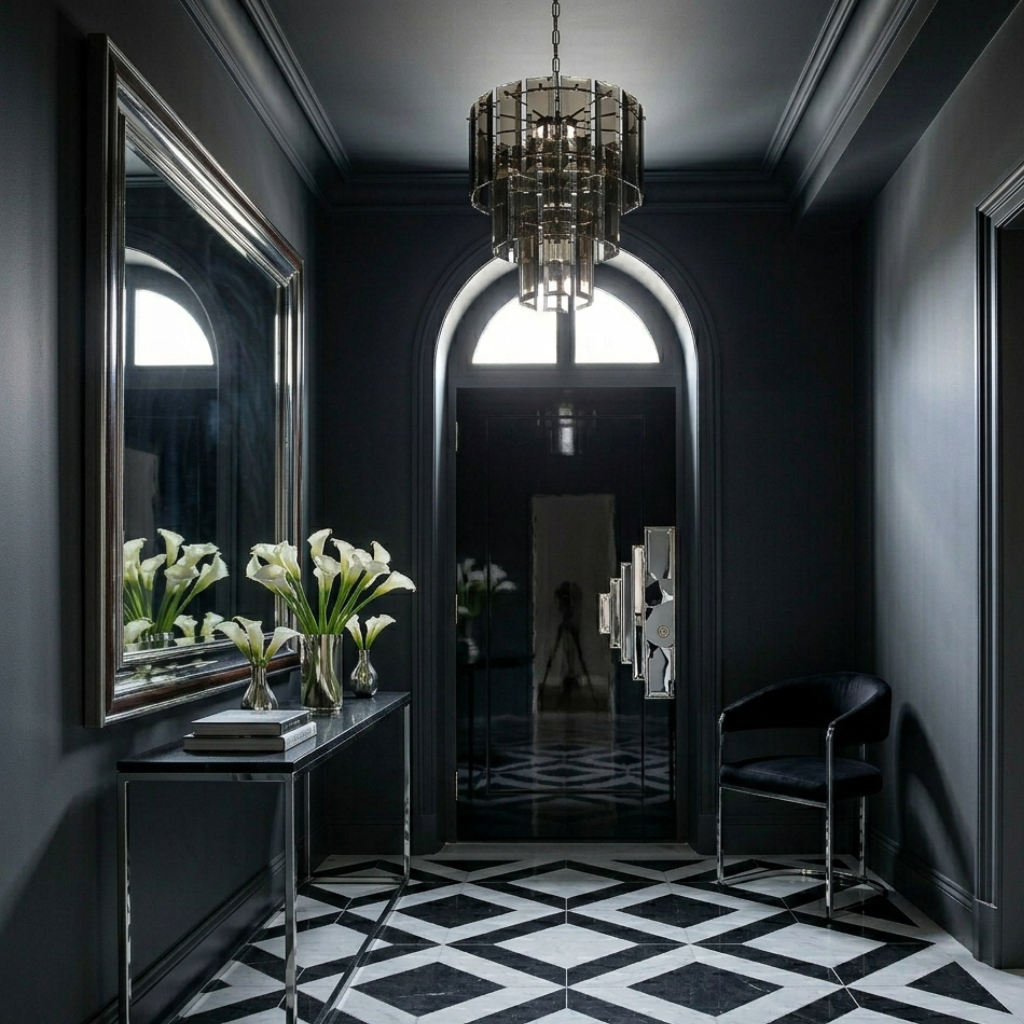
Designers are rediscovering the emotional power of arrival. The foyer is no longer simply where you remove your shoes or drop your keys. It has become the opening statement of the home itself, the first indication of atmosphere, personality, and architectural confidence. Increasingly, it is being treated with the same level of consideration once reserved for formal living rooms and dining spaces.

Part of this resurgence comes from a broader movement toward emotionally immersive interiors. People no longer want homes that merely function well; they want homes that feel memorable. The foyer, perhaps more than any other room, has the ability to create that immediate emotional shift. Before a word is spoken, before the rest of the house unfolds, the entrance establishes tone.

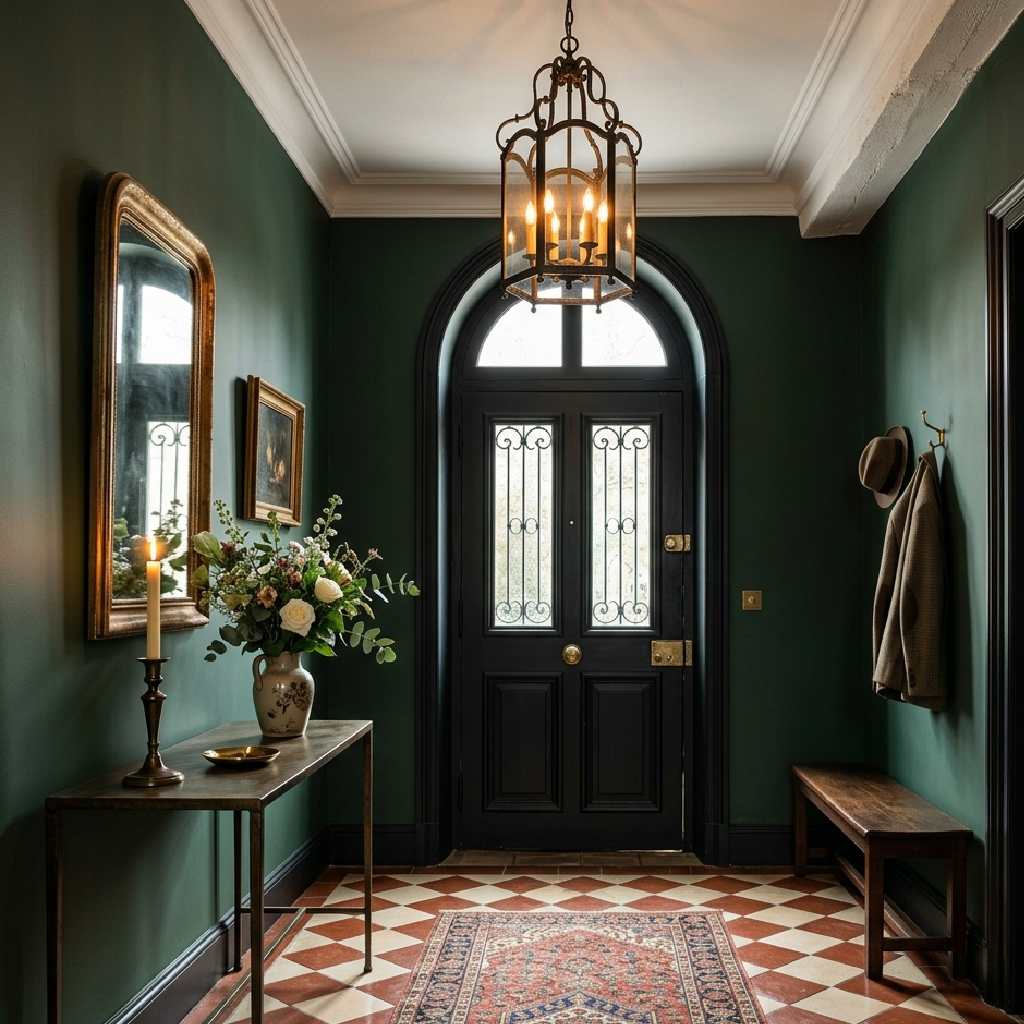
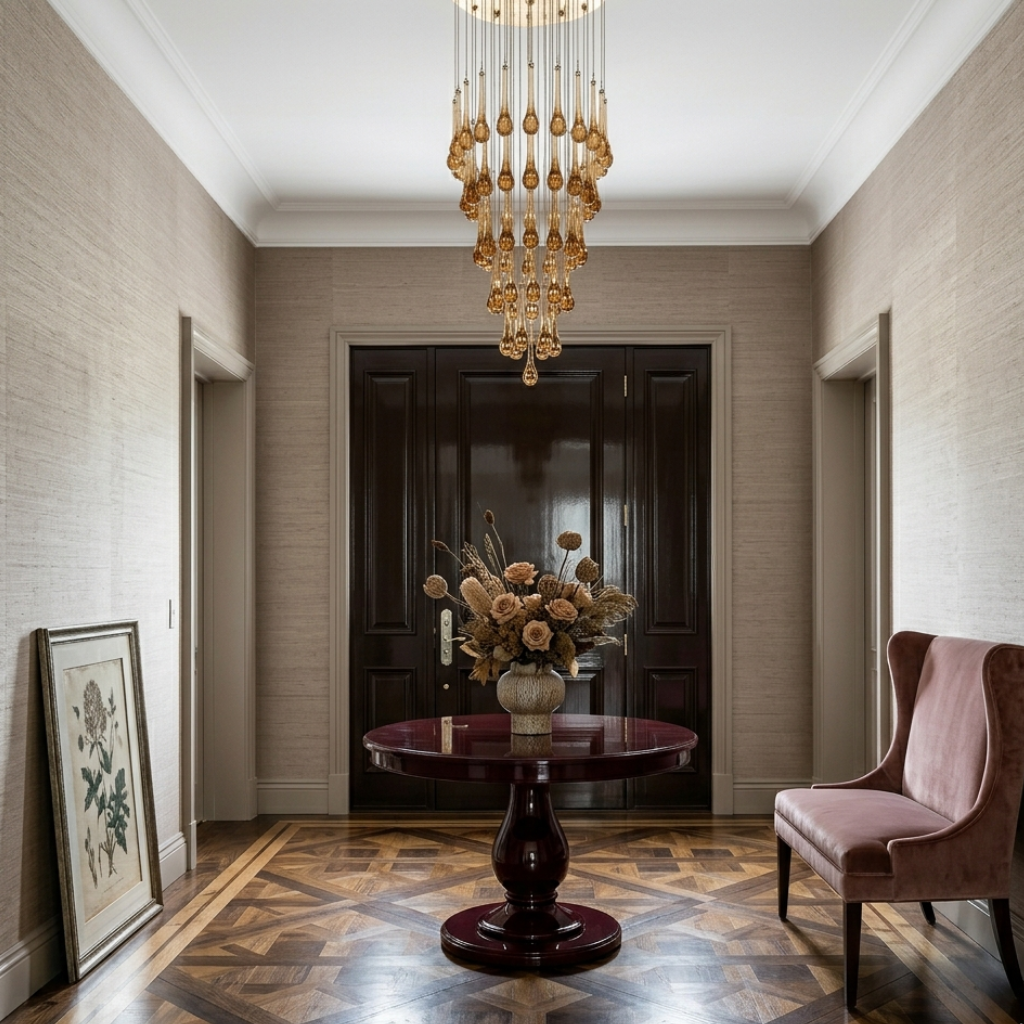
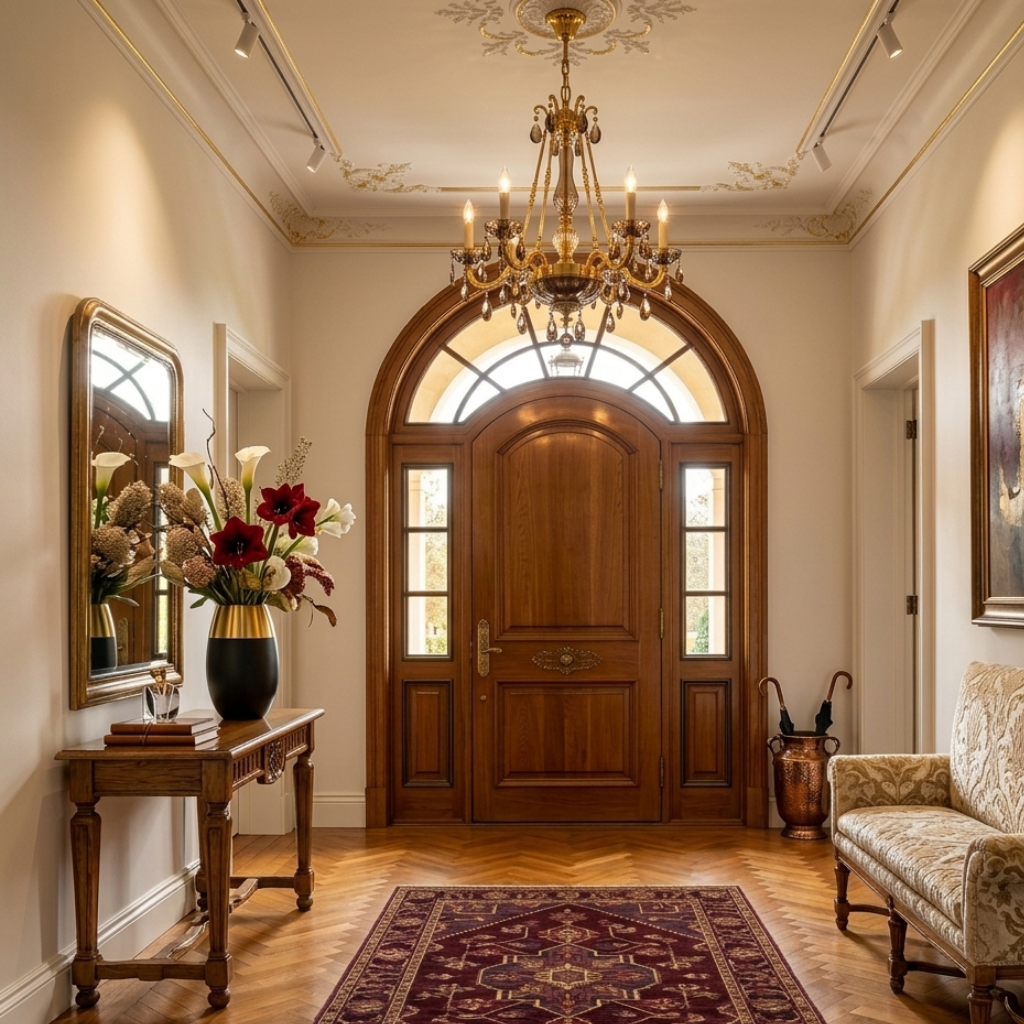
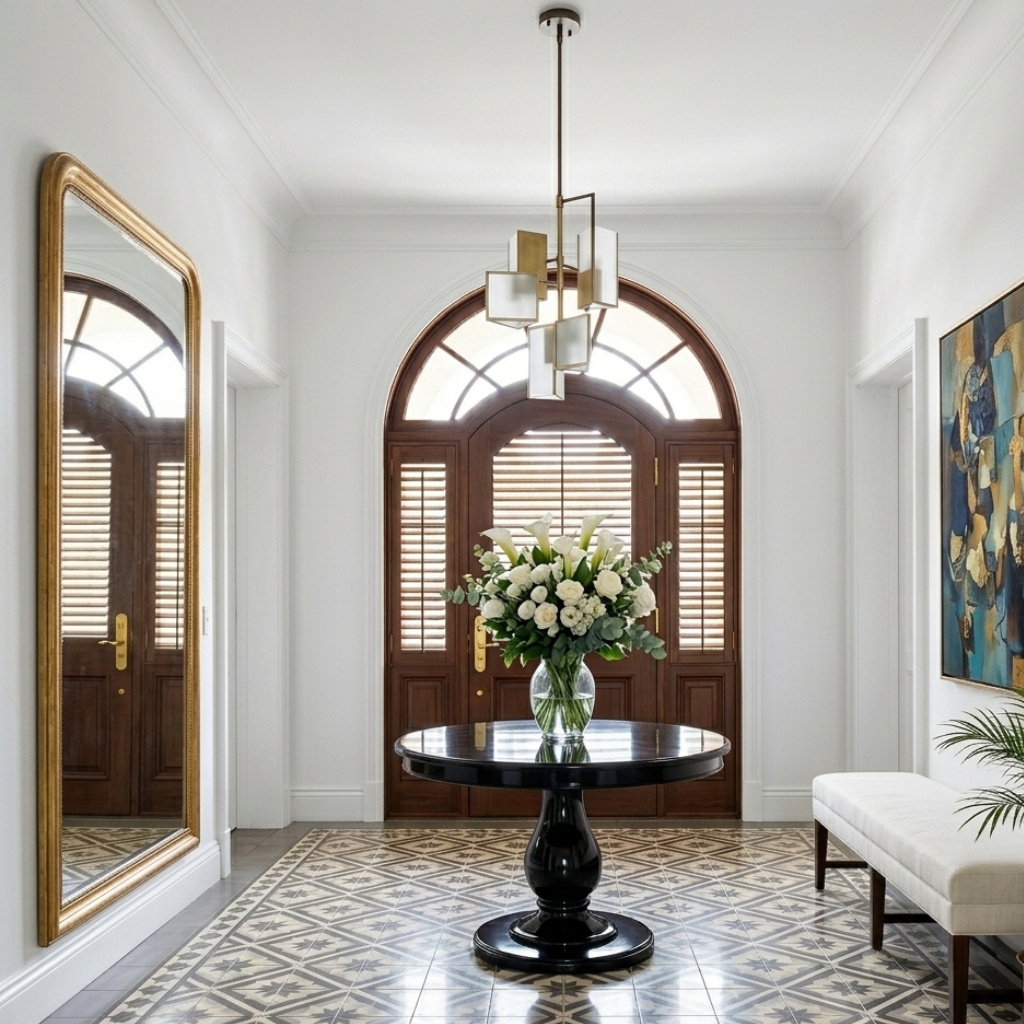
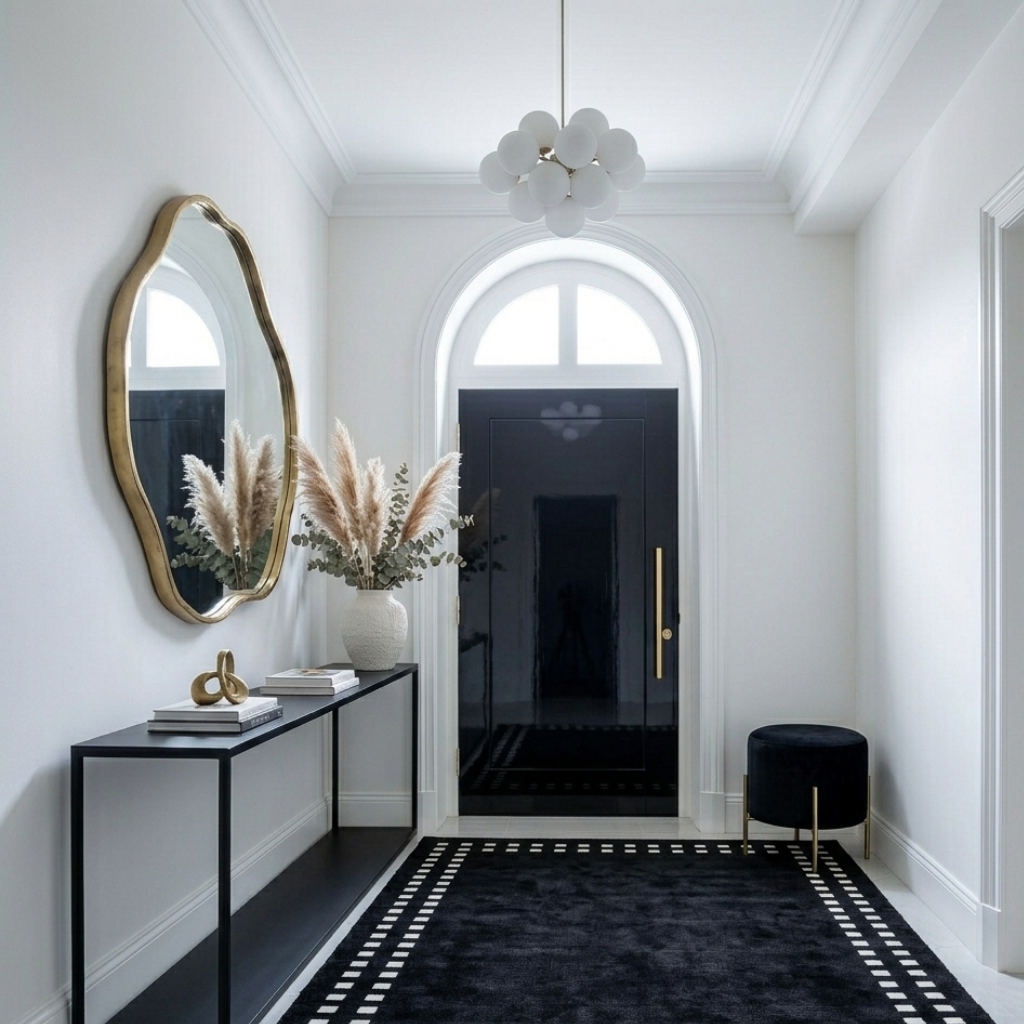
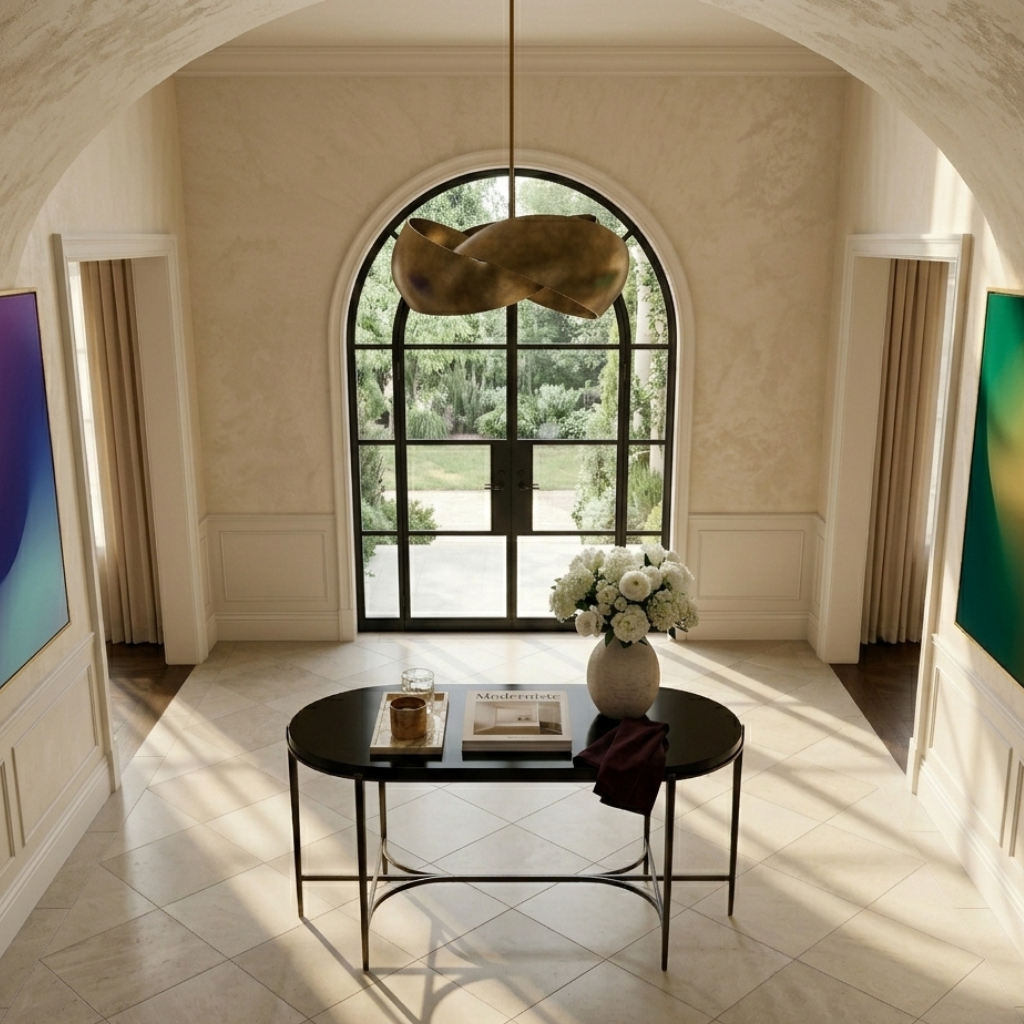
Scale plays a critical role. Oversized arches, double-height ceilings, sculptural staircases, and dramatic sightlines create a sense of pause and anticipation. But equally important is restraint. The most successful foyers are rarely overcrowded. Instead, they rely on a few deliberate gestures executed exceptionally well: a monumental pedestal table, a striking chandelier, a singular chair upholstered in an unexpected fabric, or a floor pattern that quietly anchors the room.

Lighting has become especially central to the modern foyer. Layered illumination replaces harsh overhead brightness in favour of atmosphere. Bronze ring chandeliers, alabaster pendants, concealed uplighting, and filtered natural light work together to create softness and depth. The entrance becomes less of a corridor and more of a composition.

Materiality, too, has evolved. Cold minimalism is giving way to richer tactile experiences. Veined marble, aged brass, dark walnut, hand-finished plaster, limestone, and lacquered surfaces bring warmth, gravity, and permanence. These materials age gracefully, allowing the foyer to feel increasingly beautiful over time rather than simply new.

What makes today’s grand foyer so compelling is that it balances architecture with emotion. It is not designed purely to impress, though it often does. It is designed to linger in the memory. A well-considered entrance slows you down. It changes your pace. It announces that what follows has been deeply considered.

And perhaps that is why the grand foyer is returning now. In an increasingly fast and disposable world, people are once again craving homes that know how to make an entrance.