Why Quiet Luxury Feels More Powerful Than Ever
Image Credits: Joshua McHugh Photography
Quiet luxury redefines home through emotional calm, intentional design, and confidence without visual excess.
In a world saturated with imagery, opinions, and constant visual stimulation, our relationship with luxury is quietly changing. What once relied on opulence, scale, and overt statements is now finding strength in something far more subtle. Quiet luxury feels powerful today because it offers relief. It gives us space to breathe, to feel held rather than impressed, and to reconnect with what design is meant to do, which is to support the way we live.
This shift is less about minimalism as a visual language and more about emotional design as a way of thinking. Homes are no longer expected to perform for the camera or announce their value at first glance. Instead, they are asked to respond to daily rhythms, to light, to movement, and to mood. Materials are chosen for how they age and feel, not only for how they photograph. Proportion matters again. So does flow. The result is an atmosphere that feels intentional without feeling forced or overly curated.
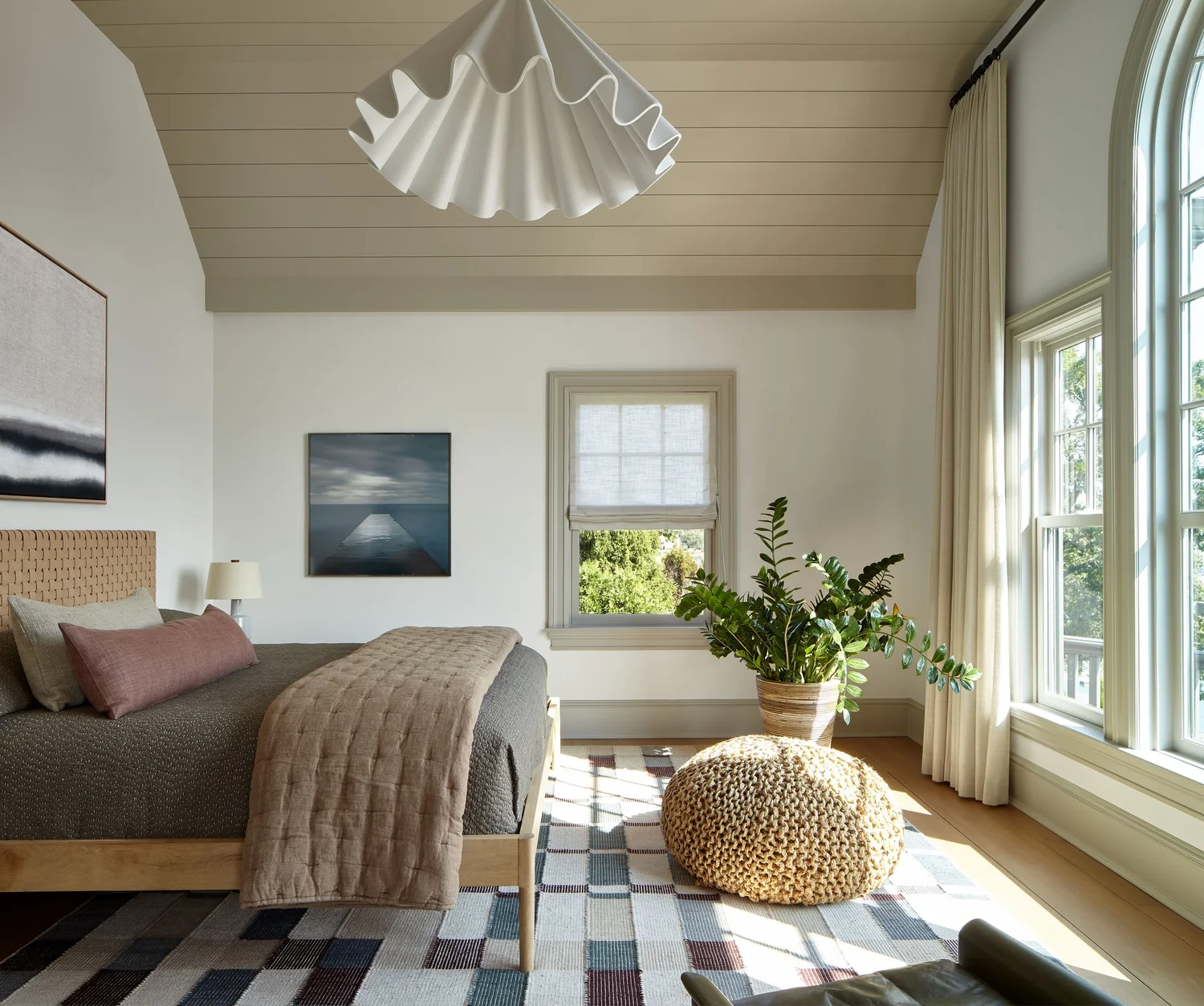
The Darien Riverfront project embodies this evolution with clarity and confidence. Rather than tearing everything down, the design team focused on refining what already existed. Heavy elements were softened, circulation was clarified, and light was allowed to move freely throughout the home. Curved plaster walls ease transitions between spaces, while slender steel framed windows reconnect interiors to the river beyond. Nothing competes for attention, yet everything feels carefully considered. It is a reminder that confidence in design often reveals itself as calm.
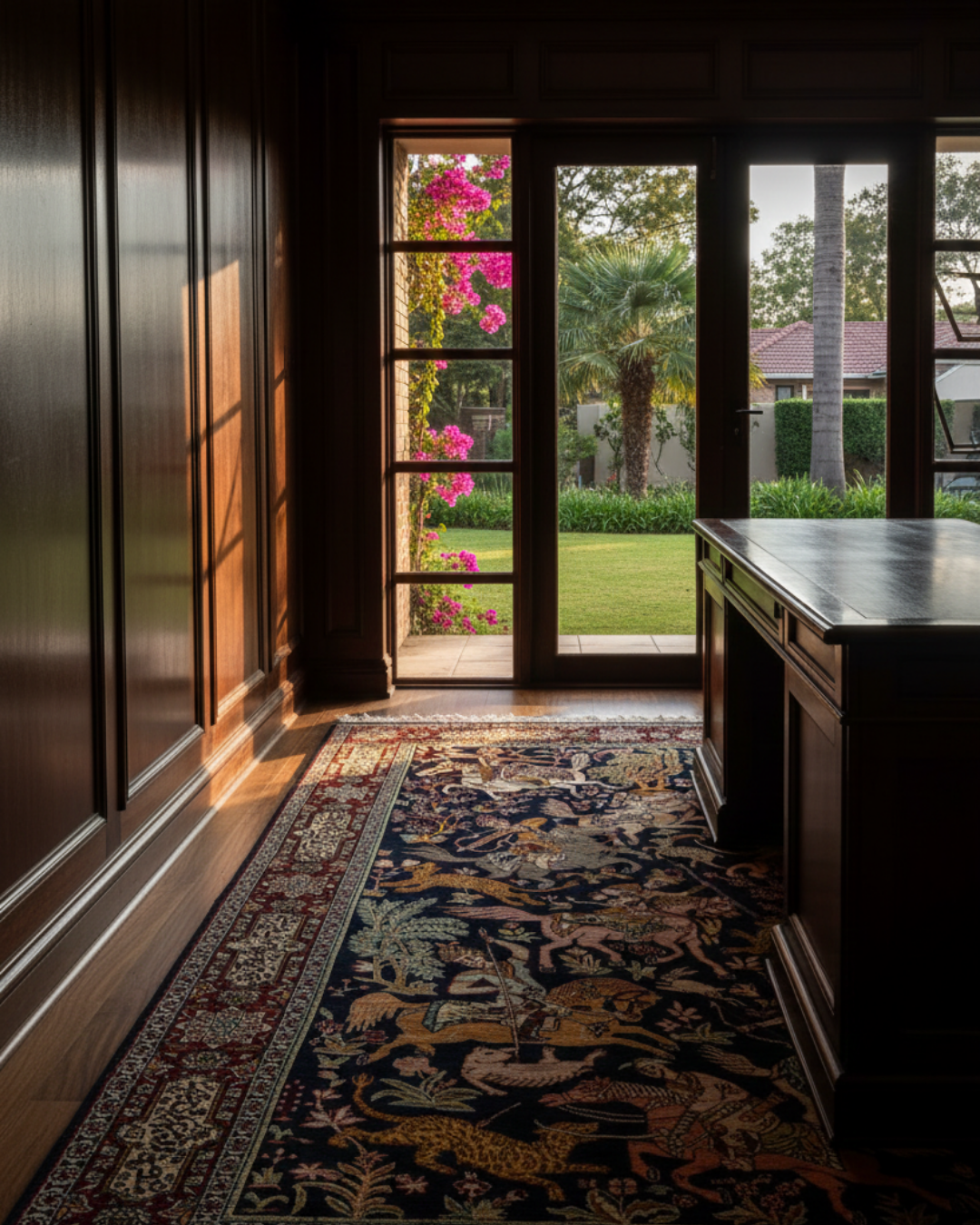
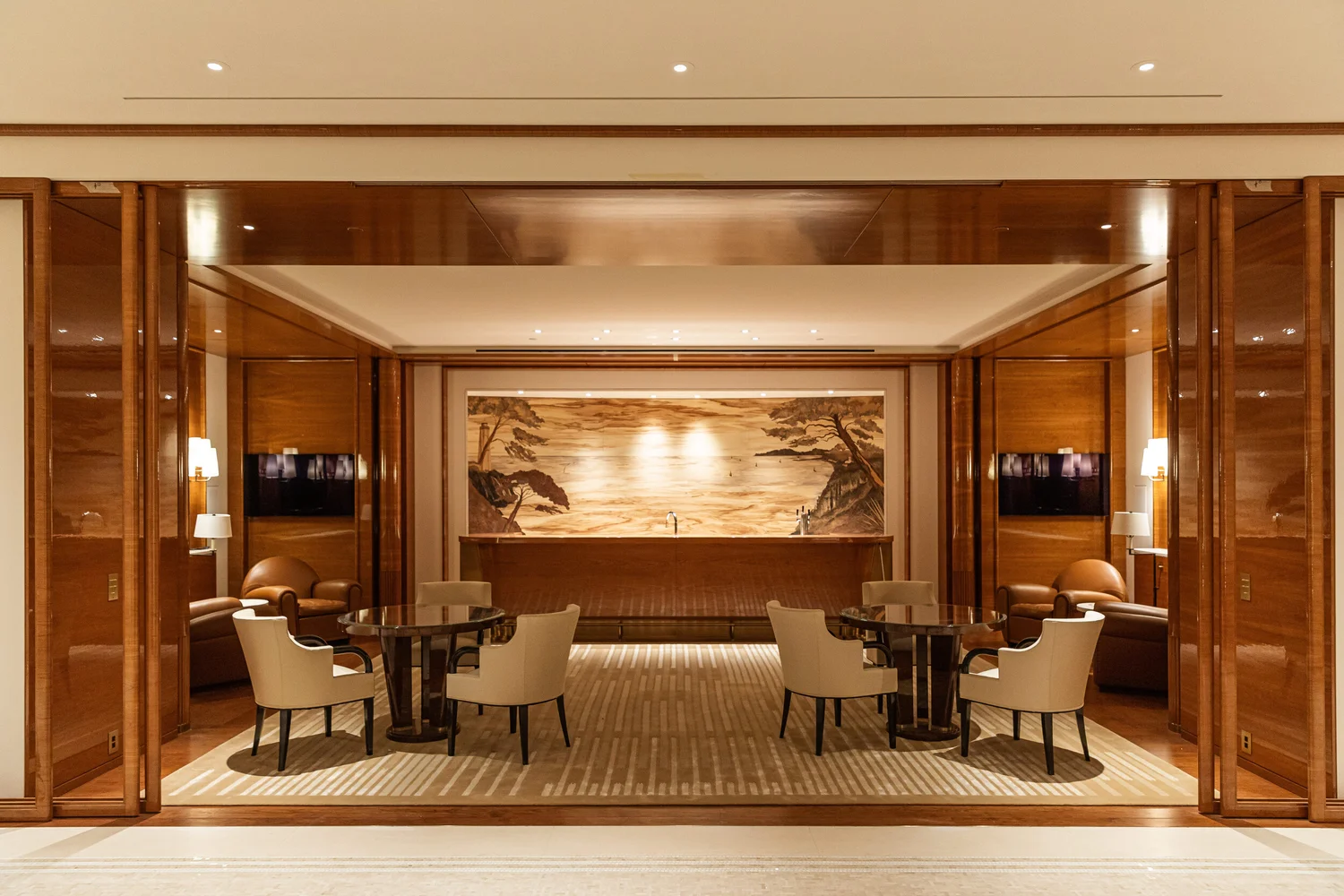
What makes quiet luxury resonate so deeply right now is its emotional intelligence. These spaces understand how people actually live. They allow for pause. They do not overwhelm the senses. Instead, they create subtle moments of pleasure, from the way light moves across a wall throughout the day to the warmth of natural wood against a softened neutral palette. Rooms feel composed yet comfortable, elevated without feeling precious.
In contrast to visual excess, quiet luxury feels generous. It invites you in rather than performing for you. It values longevity over novelty and nuance over drama. In a time when so much competes for our attention, homes like Darien Riverfront offer something increasingly rare, a sense of ease. Perhaps that is why this quieter expression of luxury feels more powerful than ever, because it does not ask to be noticed, yet it stays with you long after you leave.