Objects That Anchor a Room
Image Credits: Lepang Ferguson
The power of one unforgettable piece
A room without an anchor is just a corridor with furniture. You pass through it. You do not stay. The difference is emotional gravity, and it arrives through one unforgettable piece.
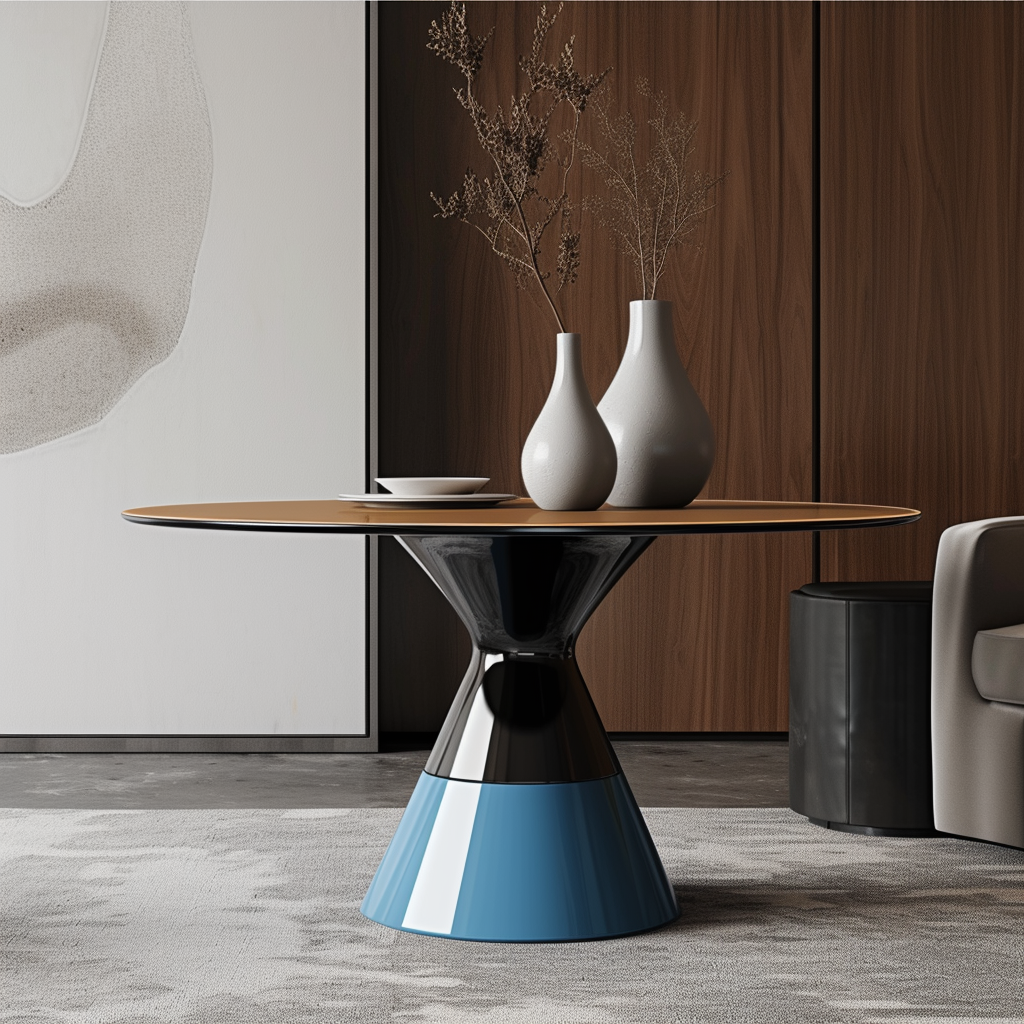
In the O Street Residence, as in all truly considered interiors, the anchor does not shout. It simply occupies. A carved stone pedestal table near a window holds nothing but a small bronze vessel and the shifting afternoon light. The eye lands there. The breath slows. The room suddenly knows what it is for.
Consider the statement chair. Not the loud one. The confident one. A low leather lounge chair with patina from years of use, turned slightly toward the fireplace. Or a sculpted oak dining chair placed alone in a corner with a folded linen throw. This piece offers an unspoken invitation. Someone sits here. That someone is welcome to be still. The chair does not compete with the sofa. It completes the silence around it.
What makes these objects unforgettable is their refusal to be practical. A pedestal table does not hide clutter. A monumental ceramic vessel does not need flowers. A slab of fossil stone on a plaster plinth does nothing but exist. And that existence is enough. In an age of open plans and endless storage, the anchored room gives us something rarer than luxury. It gives us permission. Permission to place one thing of consequence and let the walls breathe around it.
The best anchors are chosen with restraint. A single fossilised ammonite on a limestone mantel. A folded wool throw on an oak bench. A charcoal drawing in a simple steel frame leaning against a lime washed wall. These objects are not expensive by accident. They are expensive because someone decided that one perfect thing matters more than twenty adequate ones.
That is the power of the anchor. It turns a house into a home that holds you.