Landscape as Extension of Architecture
Photo
Why subtle landscaping — native plants, minimal hardscapes, and forest integration — makes a design feel timeless.
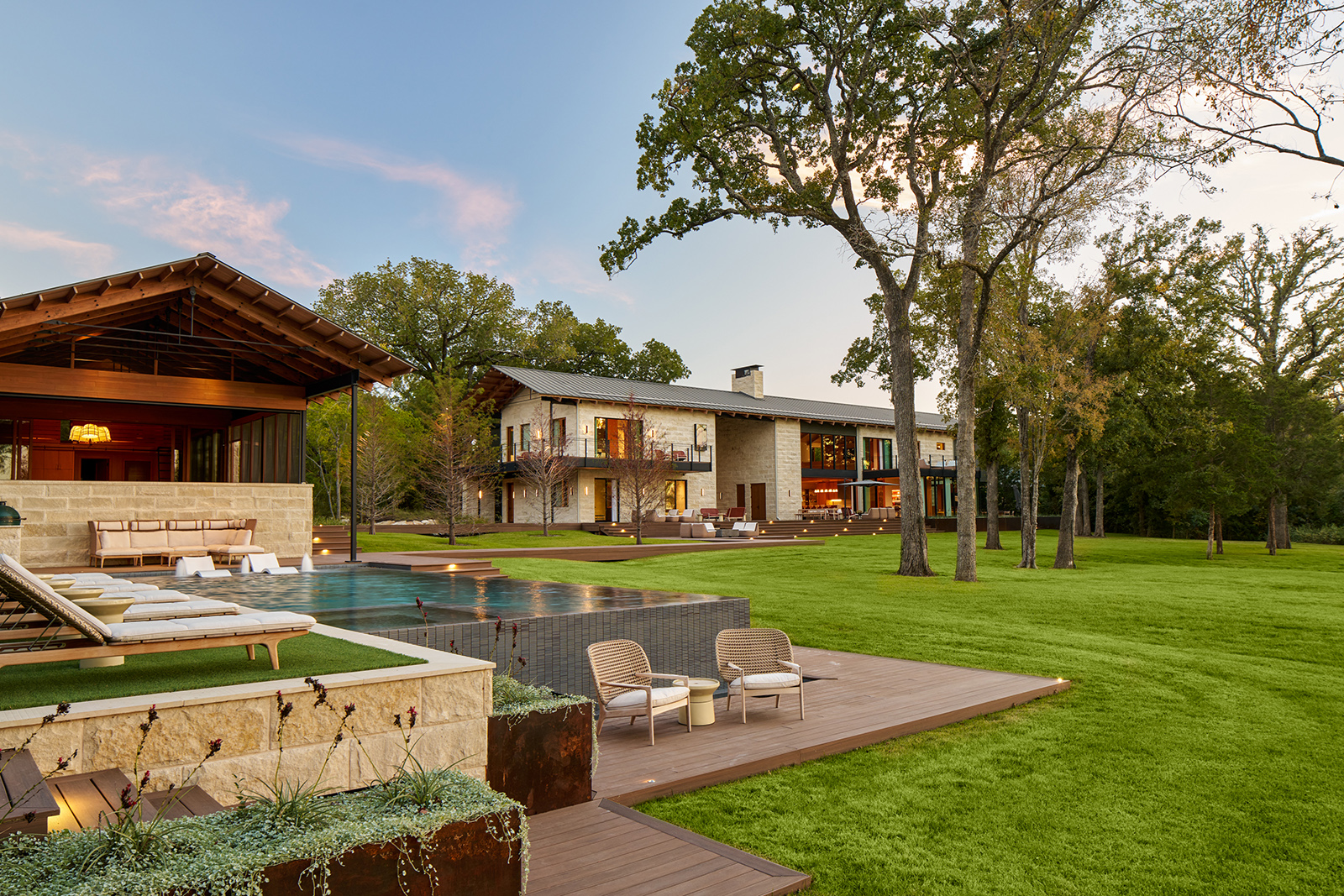
At Cedar Creek Lake, the landscape is not an afterthought — it’s an integral part of the architecture. Designers like Garden Design Studio and local East Texas landscape architects have demonstrated how thoughtful planning can create harmony between home and site. By working with the existing forest rather than imposing formal gardens, the house feels as though it has always belonged to the land. Every plant, path, and terrace reinforces the architectural intent, elevating the experience of moving through the space.
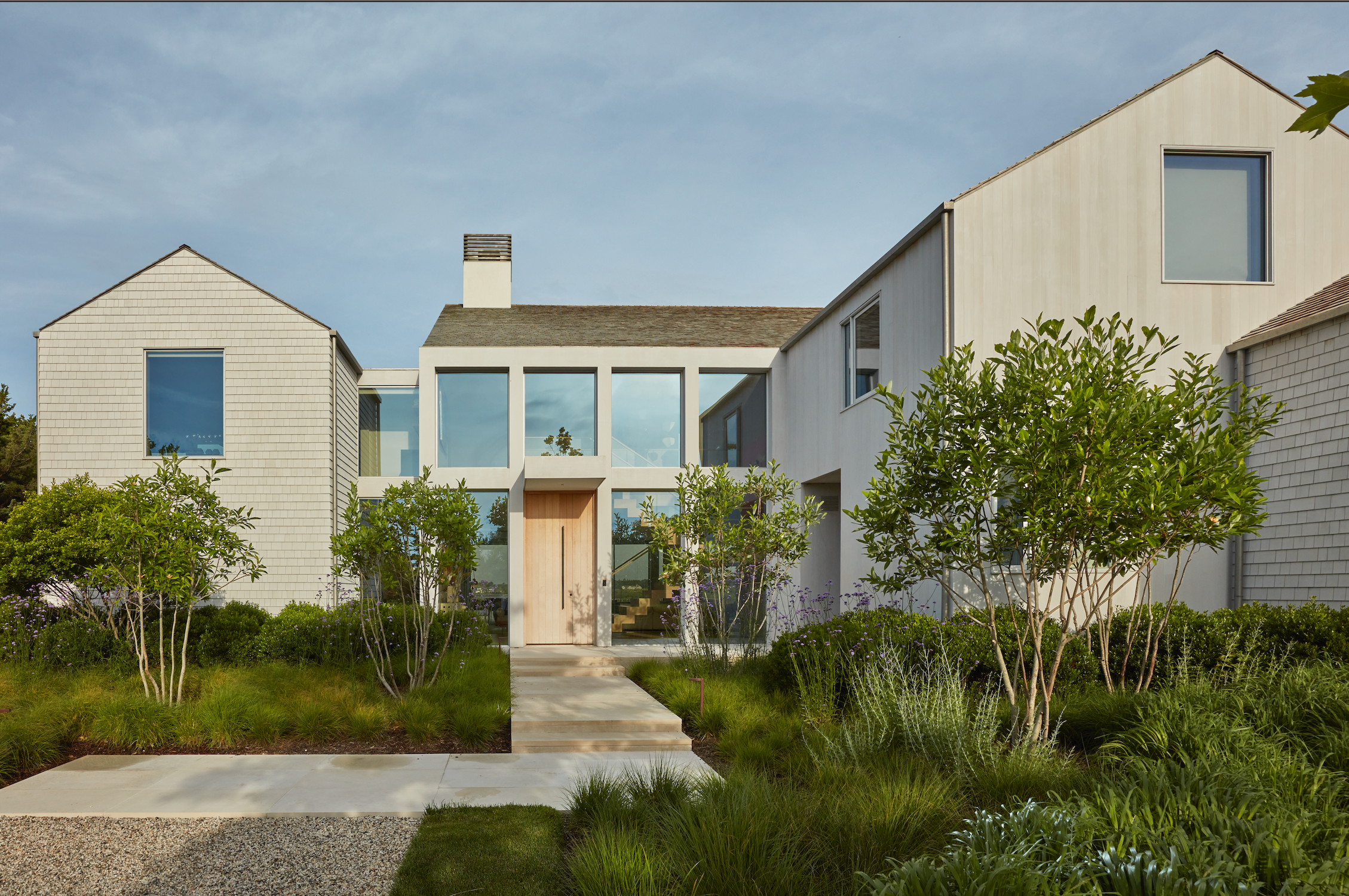
Native species — cedar elm, Texas red oak, and understory plants — anchor the home to its environment. Landscape designers in the region favor low-maintenance, climate-appropriate plantings that provide texture, seasonal interest, and ecological value. Hardscapes are handled with the same sensitivity: limestone terraces, gravel motor courts, and timber decking create subtle transitions without competing with the natural setting.
This integration is what gives the design its timeless quality. The outdoor spaces flow seamlessly from house to pool to forest, creating layered experiences that feel effortless yet meticulously curated. The work of skilled landscape architects ensures that every element — from pathways to planting palettes — complements the architecture while aging gracefully over time.
The Cedar Creek Lake House demonstrates that a home truly belongs when its landscape is considered an extension of its architecture. By combining local expertise, native plantings, and minimal intervention, designers create outdoor spaces that feel enduring, purposeful, and deeply connected to their surroundings.