Designing the interiors at Cove Hollow House began with a simple understanding. The two buildings on the property were never meant to feel the same. Each structure carries its own architectural logic, scale, and relationship to light, and the interiors needed to respond to those realities rather than override them.
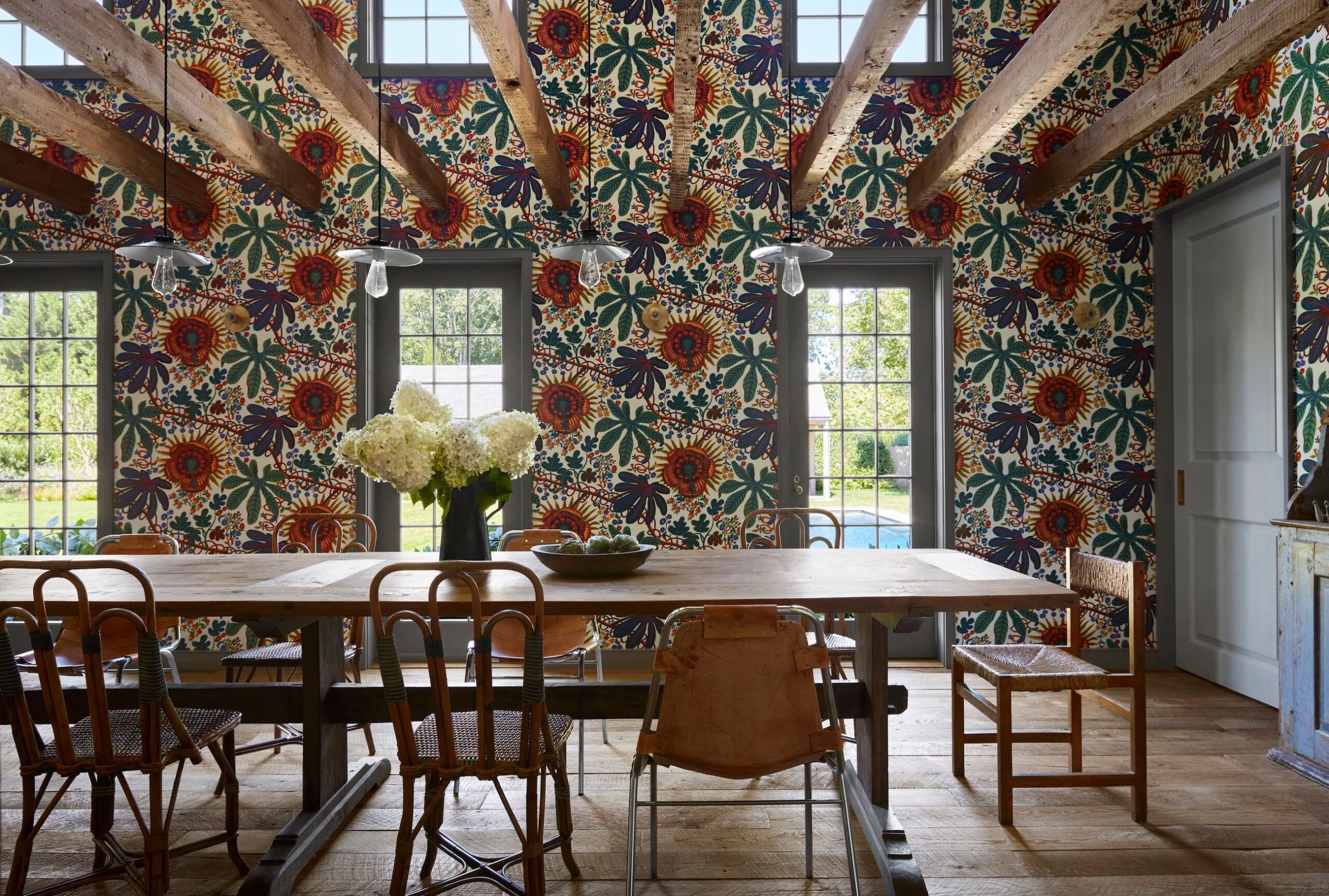
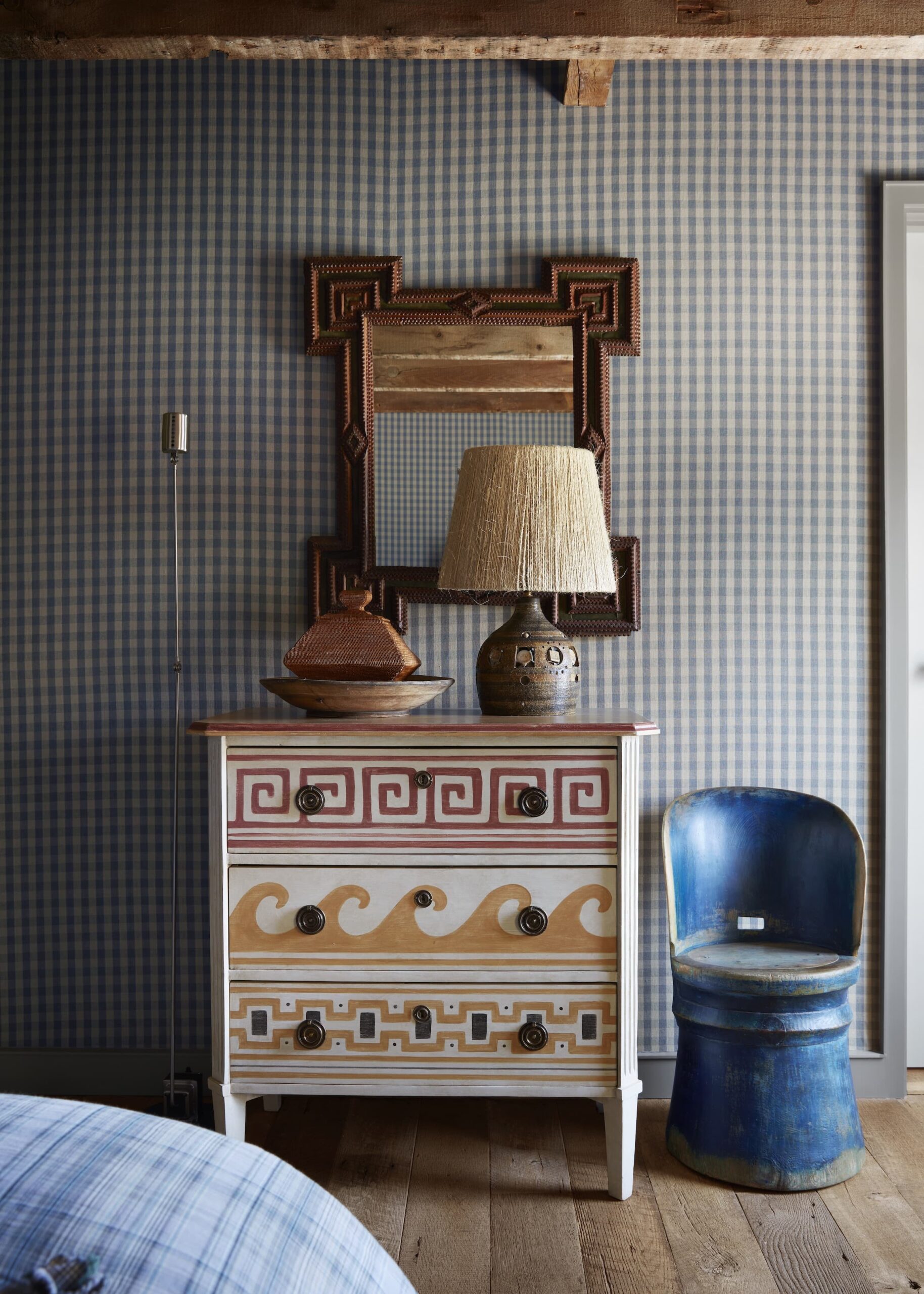
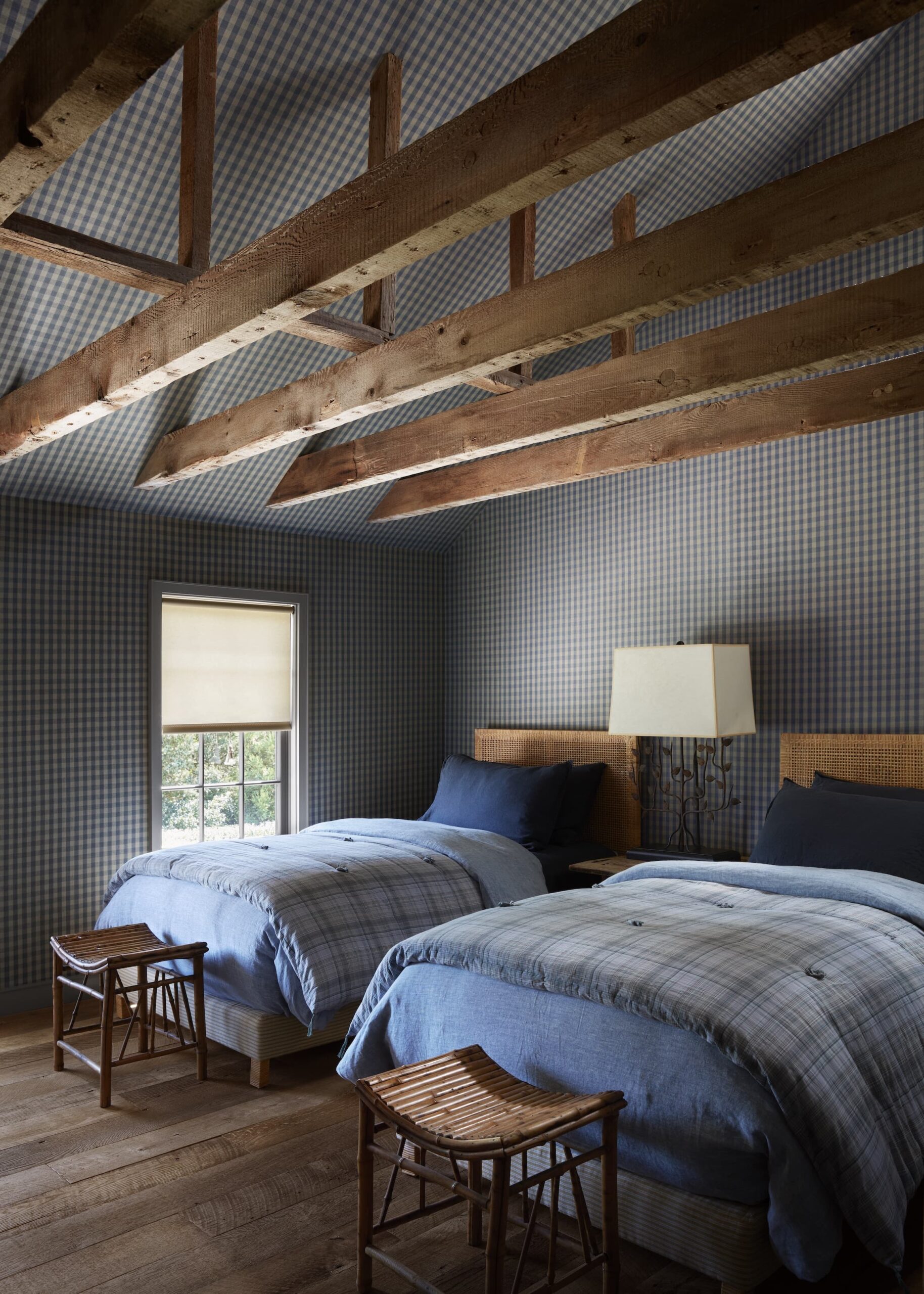
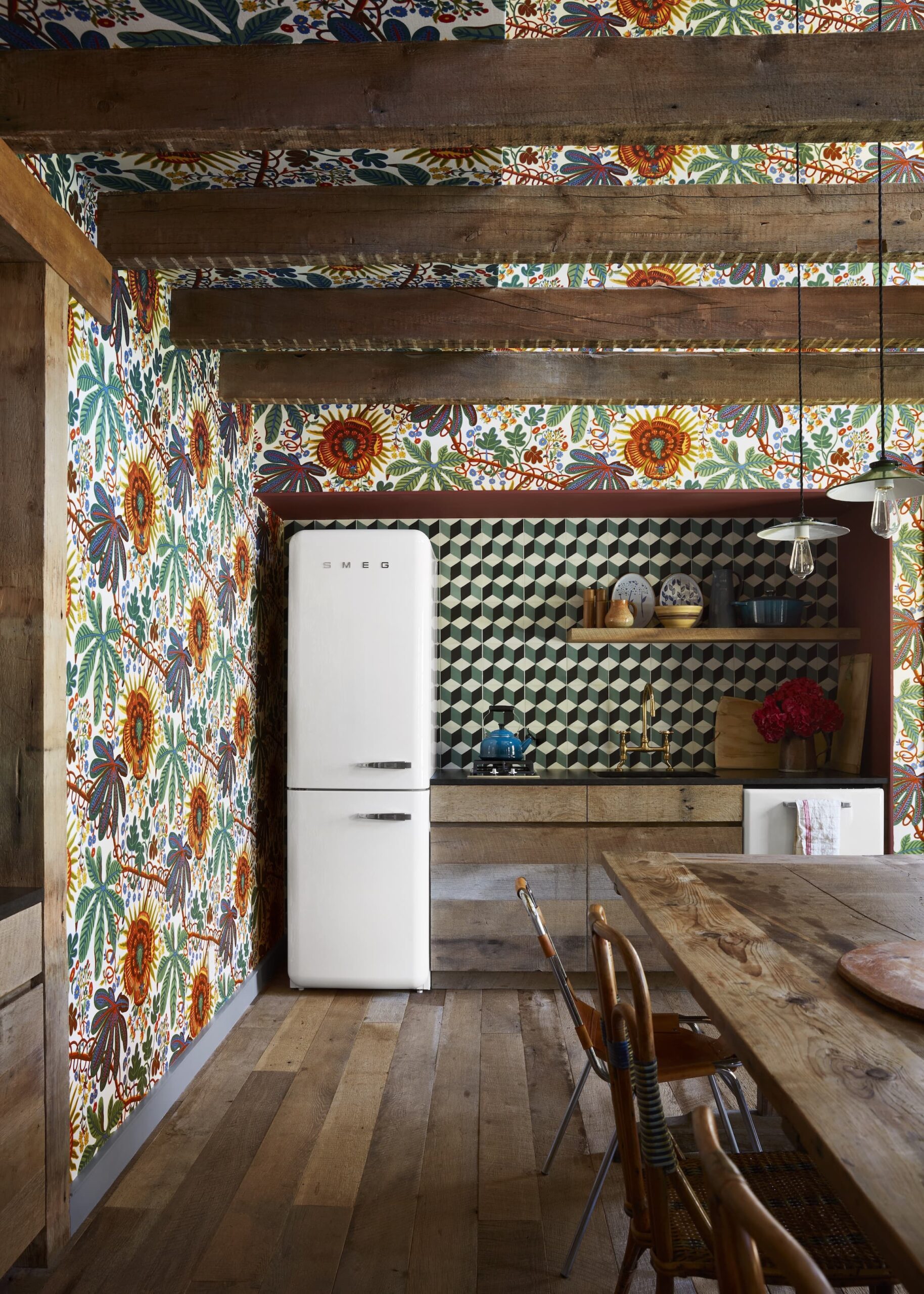
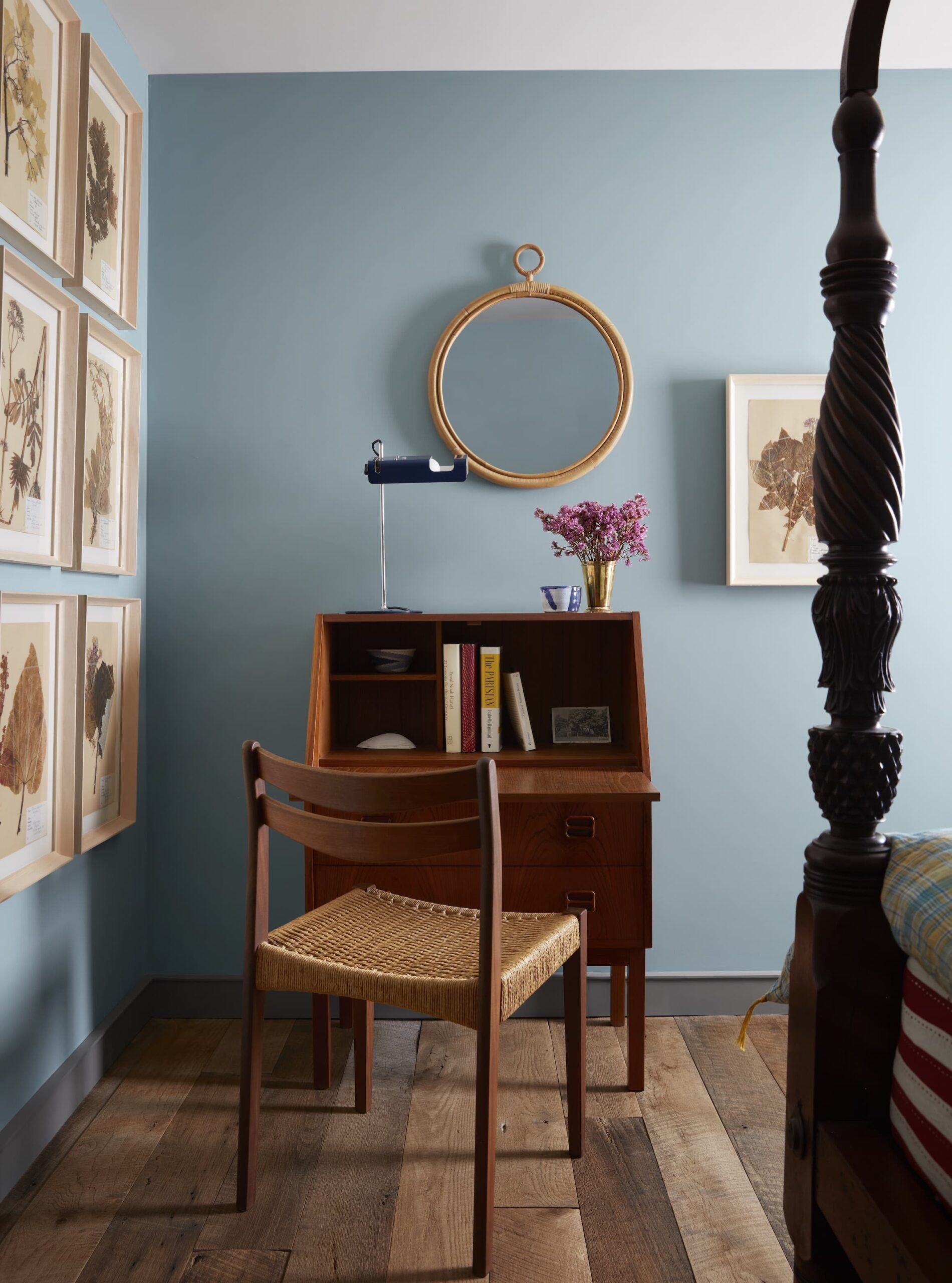
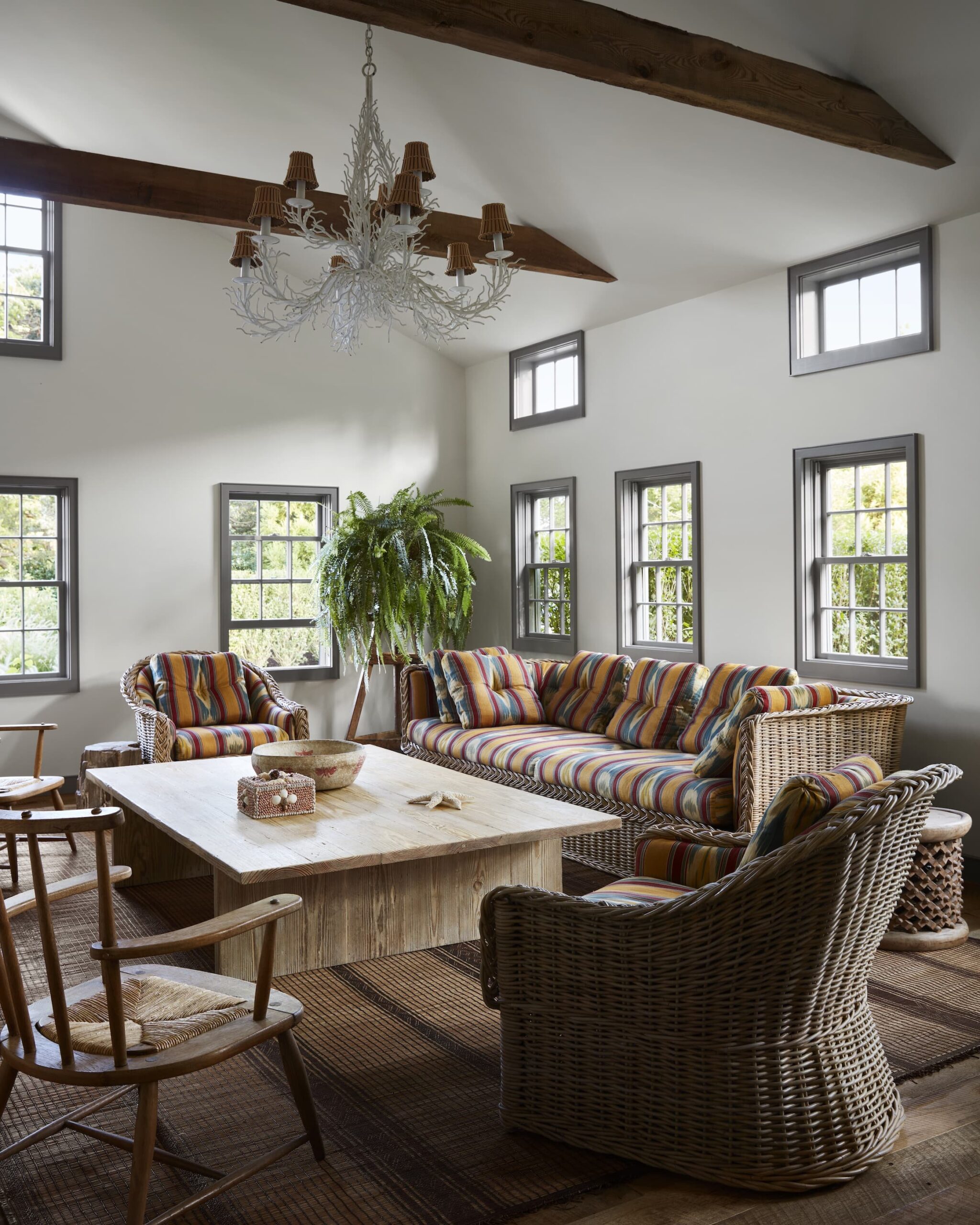
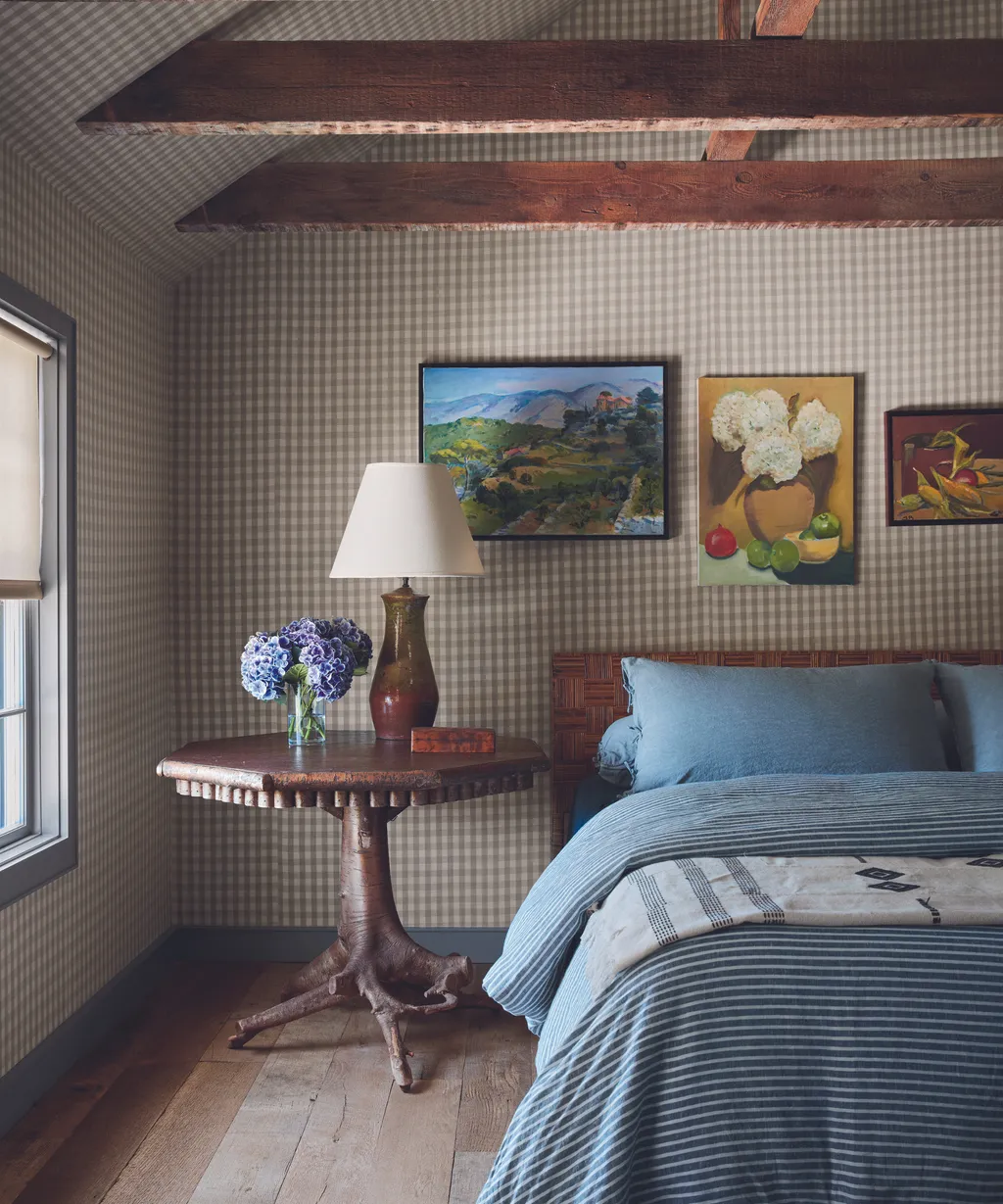
The farmhouse is inward looking by nature. Its smaller windows, thicker walls, and lower ceilings create rooms that feel enclosed and protective. Attempting to lighten or modernise these spaces through minimal finishes would have worked against the architecture. Instead, the interior design leans into the building’s character. Pattern, colour, and texture are used to create warmth and depth, allowing the rooms to feel complete rather than constrained. Walls and textiles carry visual interest, while furnishings feel relaxed and familiar. The result is an interior that feels comfortable, layered, and well suited to the slower rhythm of the historic structure.
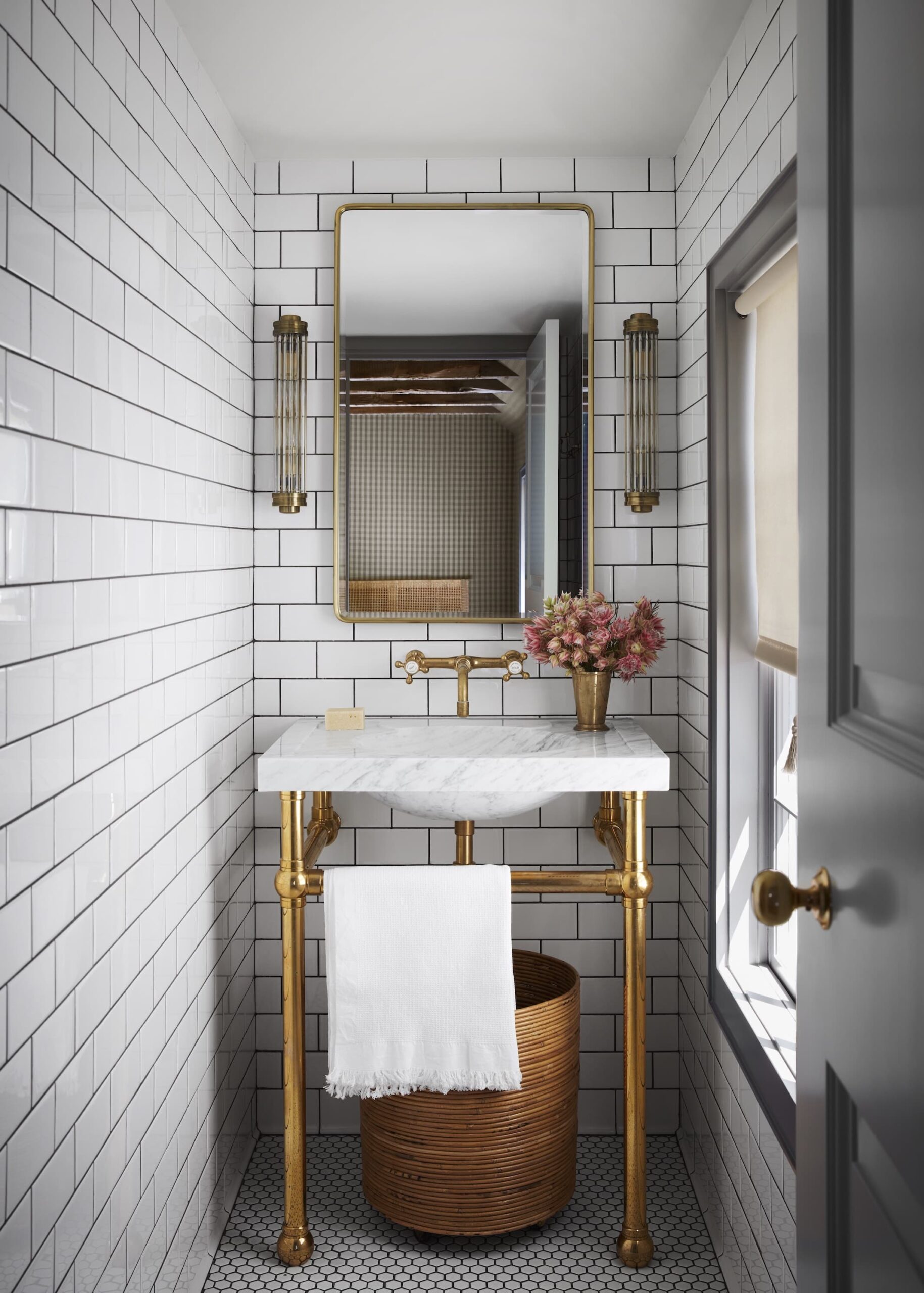
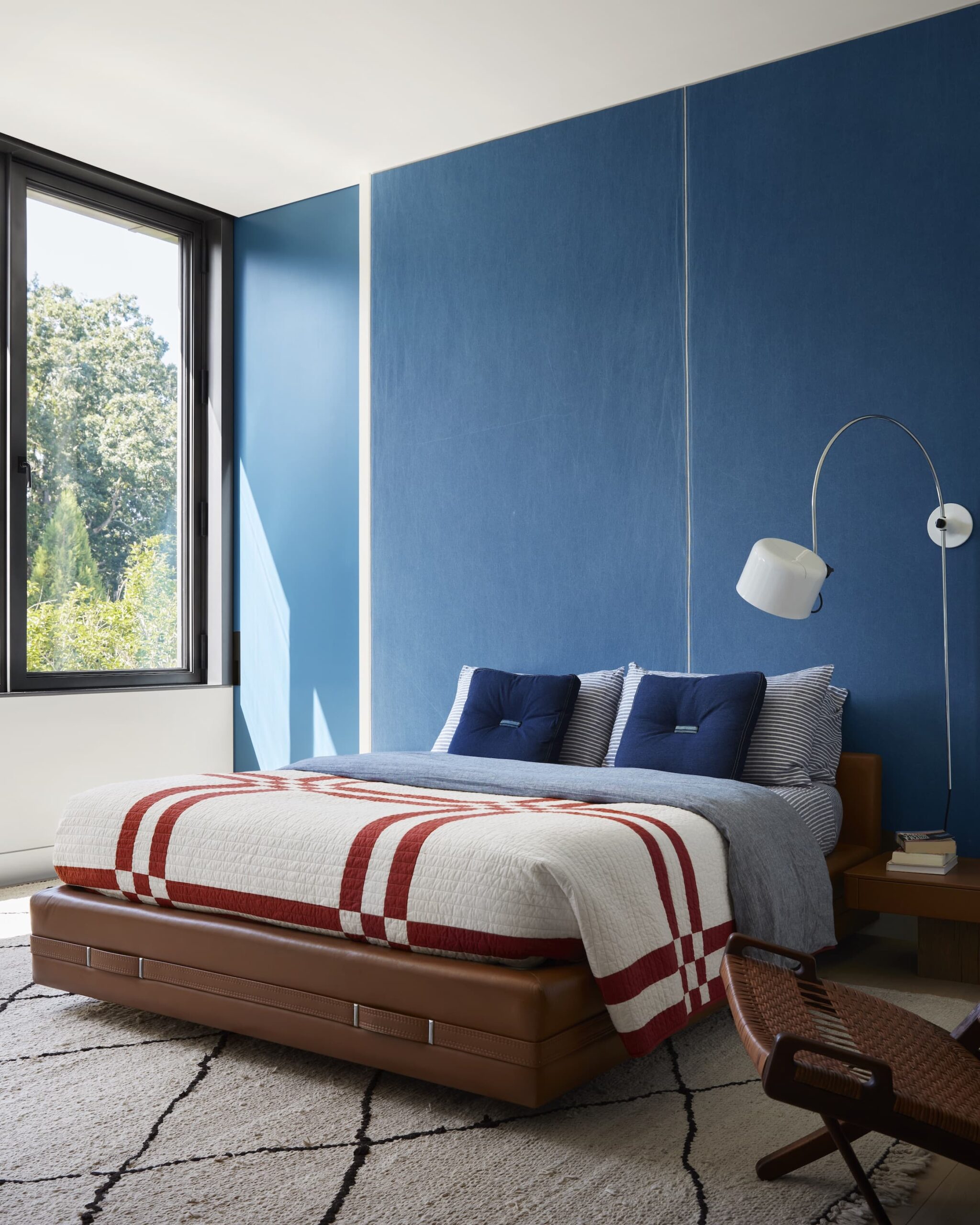
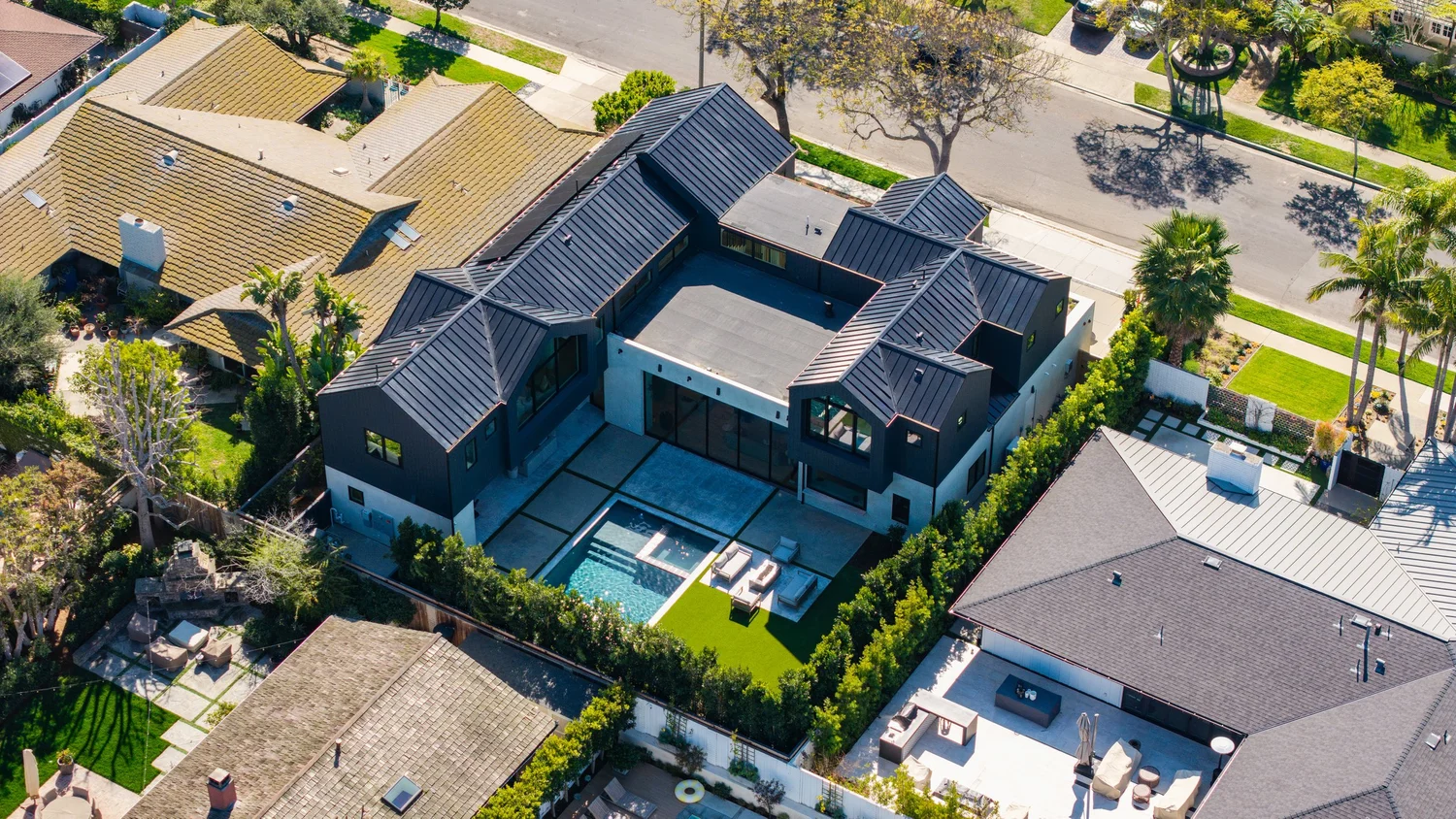
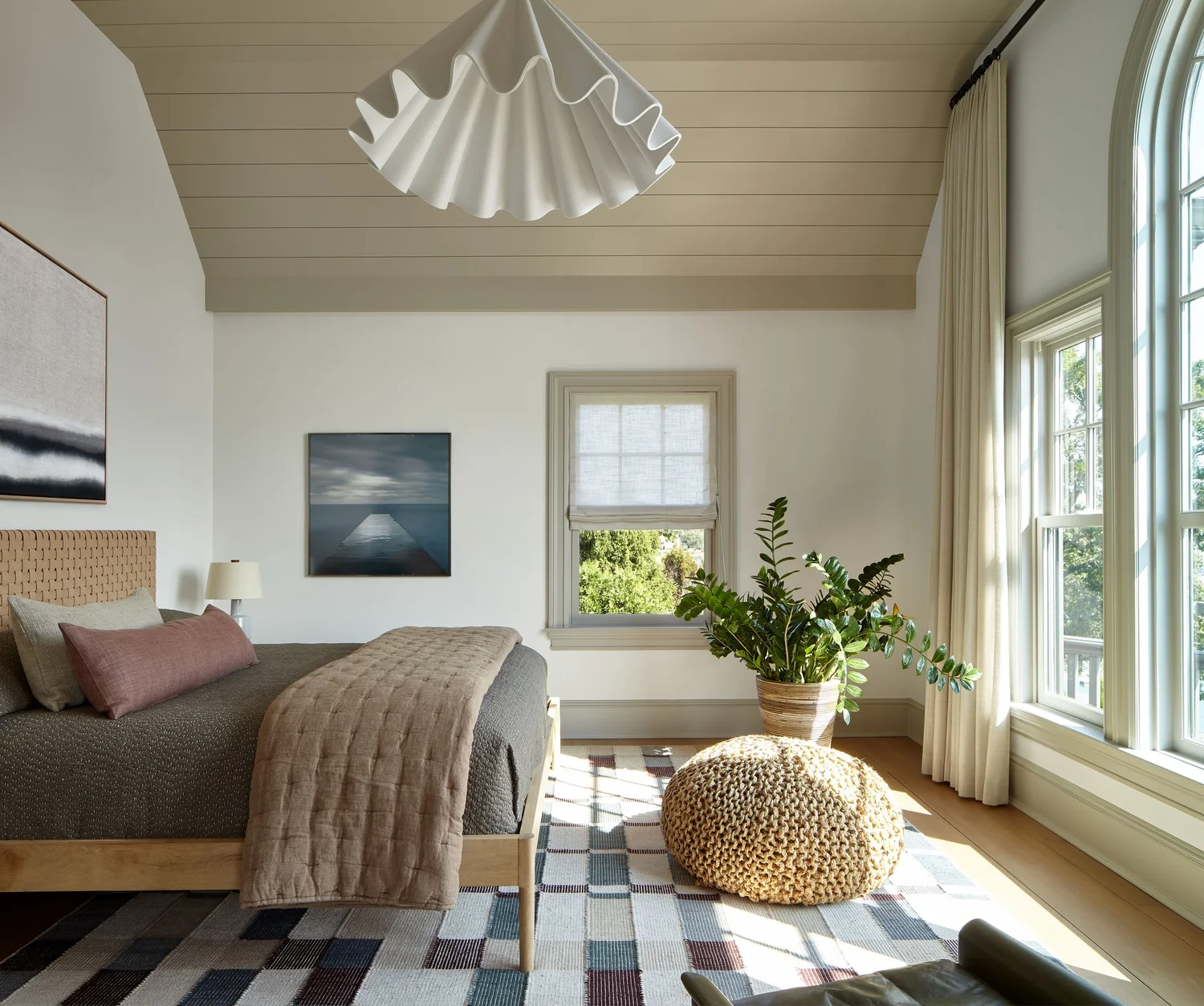
In contrast, the new residence was designed to open outward. Large windows and long sightlines connect the interior directly to the surrounding gardens. Here, the role of the interior is different. Rather than holding attention, it creates a calm framework that allows light, landscape, and movement to take precedence. Materials are quieter, surfaces cleaner, and details more refined. Furniture and finishes are chosen to support daily life without introducing visual noise.
Treating both buildings with the same interior language would have flattened their differences. By allowing each structure to guide its own design approach, the interiors feel honest and appropriate. There is continuity across the property, but it comes through tone and material rather than repetition. Soft blues appear in both spaces, for example, but they register differently depending on scale, light, and context.
This approach also supports how the family uses the home. The farmhouse offers spaces that feel cosy and contained, ideal for retreat or hosting guests. The new build accommodates everyday living, gathering, and movement, with interiors that adapt easily to changing needs. Together, they form a complete domestic environment shaped by contrast rather than uniformity.
At Cove Hollow, the interiors succeed because they listen to the architecture. Instead of imposing a single aesthetic, the design allows each building to express itself fully. This sensitivity creates spaces that feel balanced, comfortable, and deeply connected to the structures that contain them.