Designing with Intention
Why Every Detail Matters
In a world full of noise and visual clutter, intentional design stands out. It isn’t about filling space—it’s about giving every element a reason to exist. At its heart, designing with intention means making thoughtful choices that elevate how we live, move, and feel within our spaces.
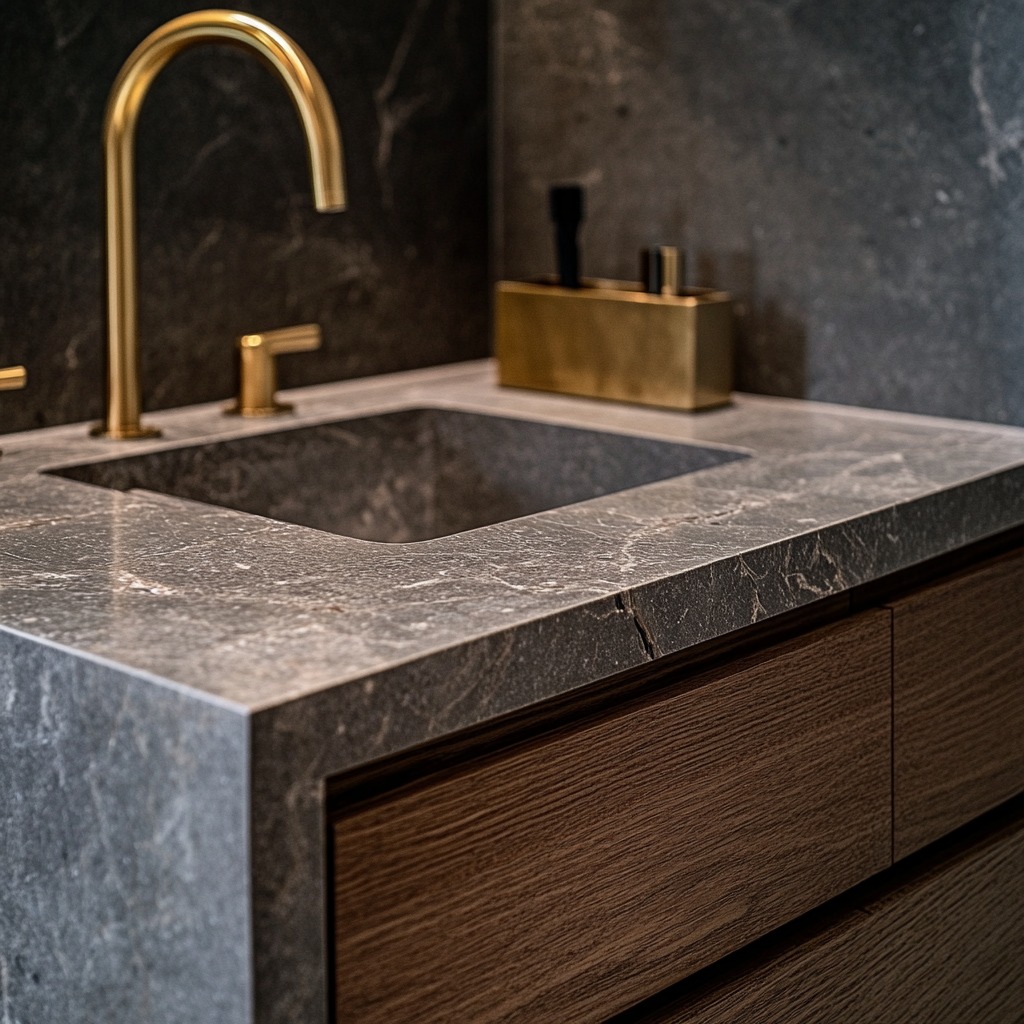
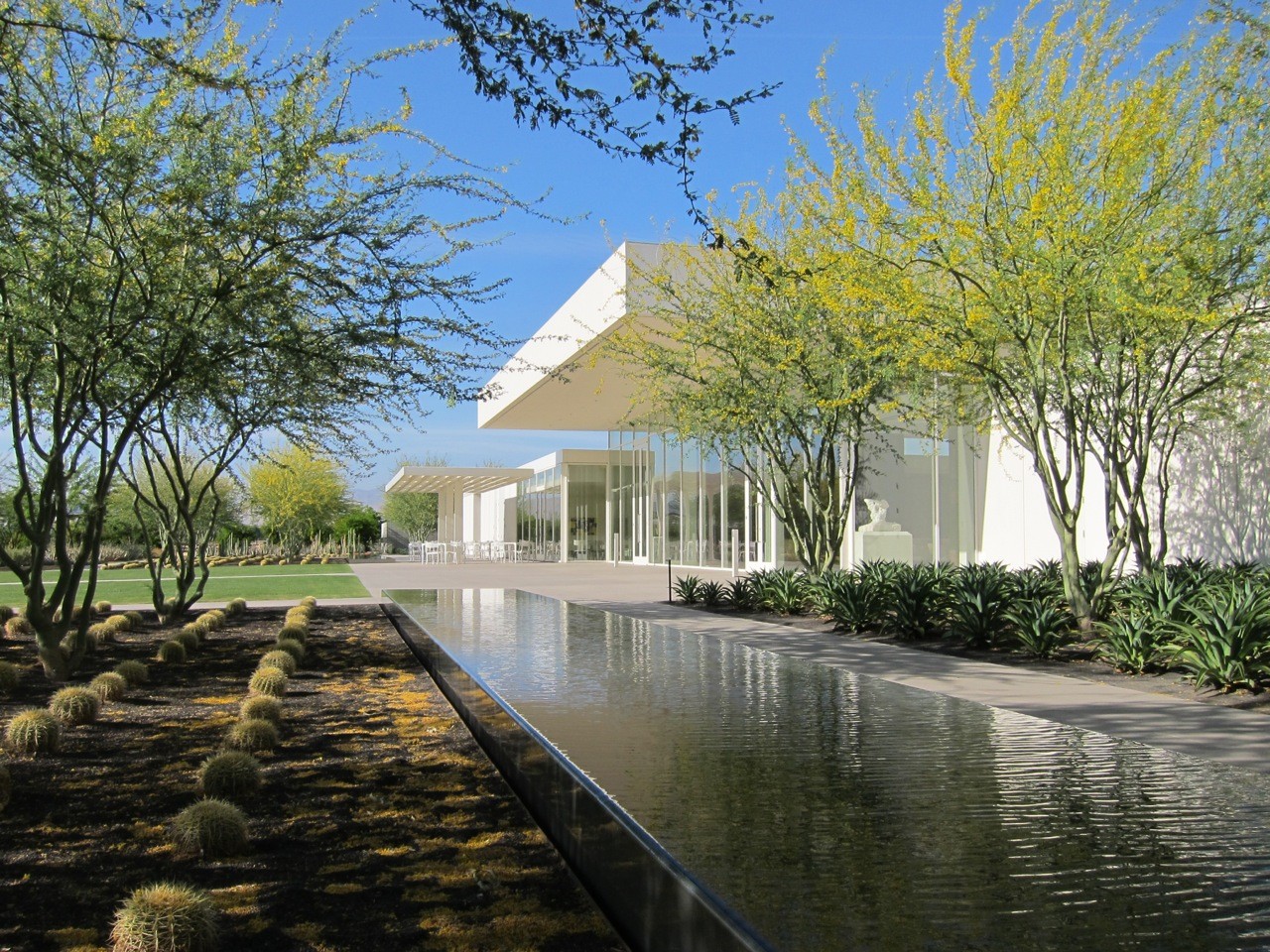
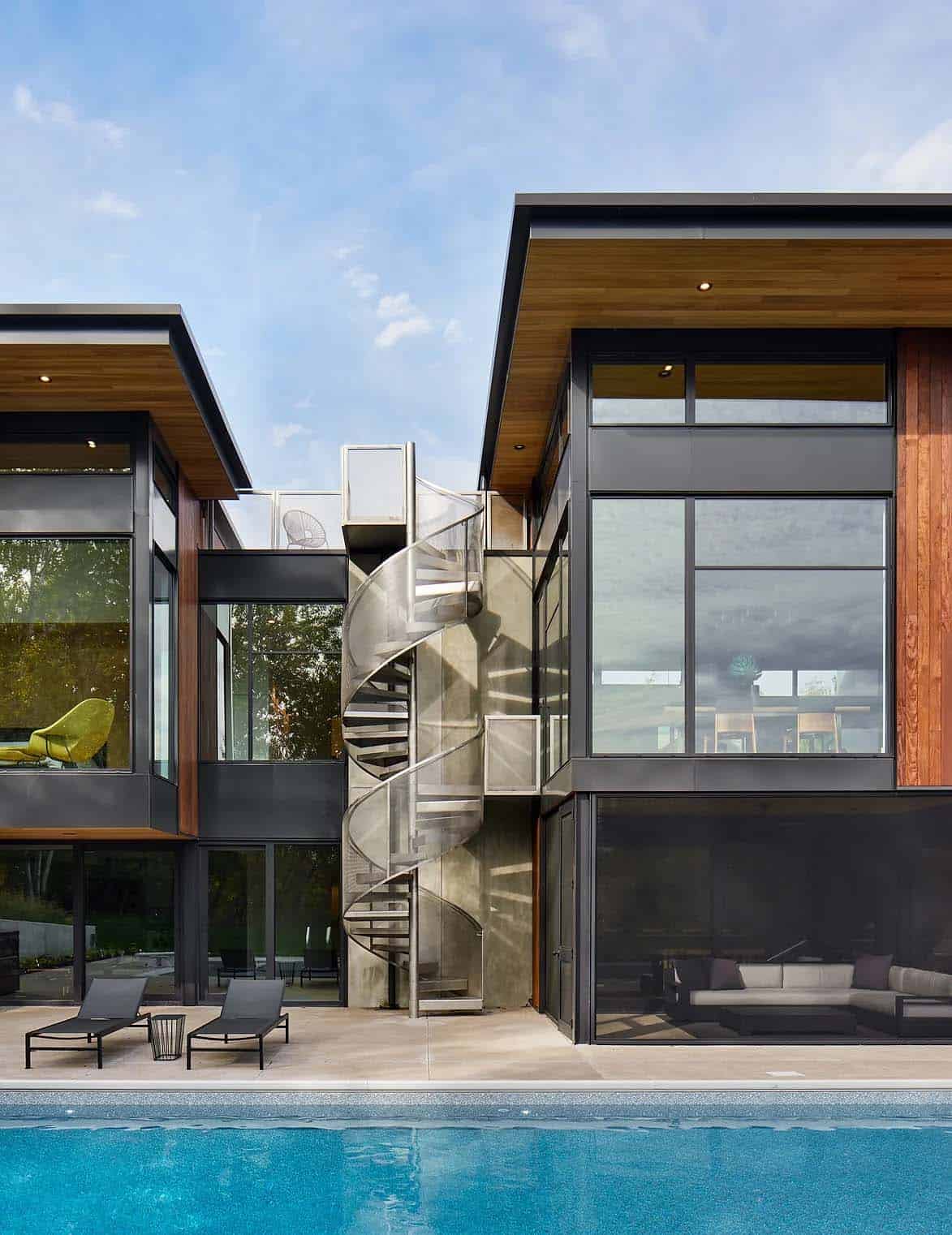
Take the Cloud Forest House as a perfect example. Nothing here is random. The placement of windows isn’t just about light—it’s about framing specific views, capturing the softness of dusk, and inviting the outdoors in. The materials—concrete, ironwood, soft oak—are chosen not just for beauty, but for how they wear, how they feel under hand, and how they evolve over time.
This kind of detail-oriented thinking doesn’t shout. It whispers. It shows up in how a kitchen island becomes the centre of daily rituals, or how a staircase turns into sculpture without losing function. It’s in the way black hardware ties into matte light fittings, or how a quiet nook invites someone to sit with a book on a rainy day.
Intentional design considers how life unfolds—and makes space for it. It respects daily habits, future needs, and emotional moments. It’s why good design doesn’t need to be overdone or over-decorated. When everything has meaning, beauty follows naturally.
As we grow more conscious about what we bring into our homes, from objects to layouts, intention becomes not just a design philosophy, but a way of living. One where less truly becomes more—and every detail tells a deeper story.