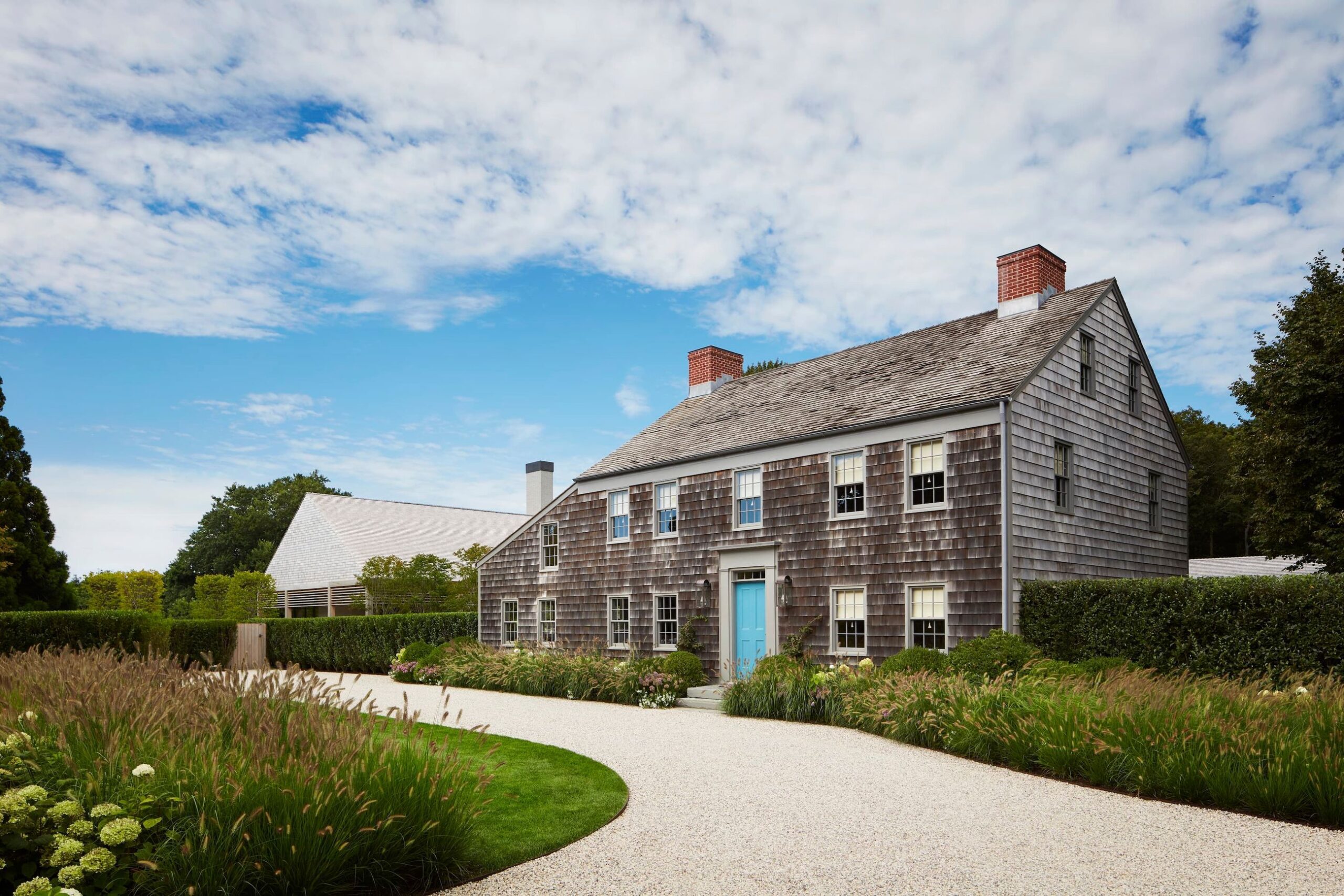
Renovating a historic home often raises a difficult question. How do you improve the way a house functions today without stripping away the qualities that give it meaning. At Cove Hollow House, that question shaped every decision, particularly in the handling of the eighteenth century saltbox that anchors the property.
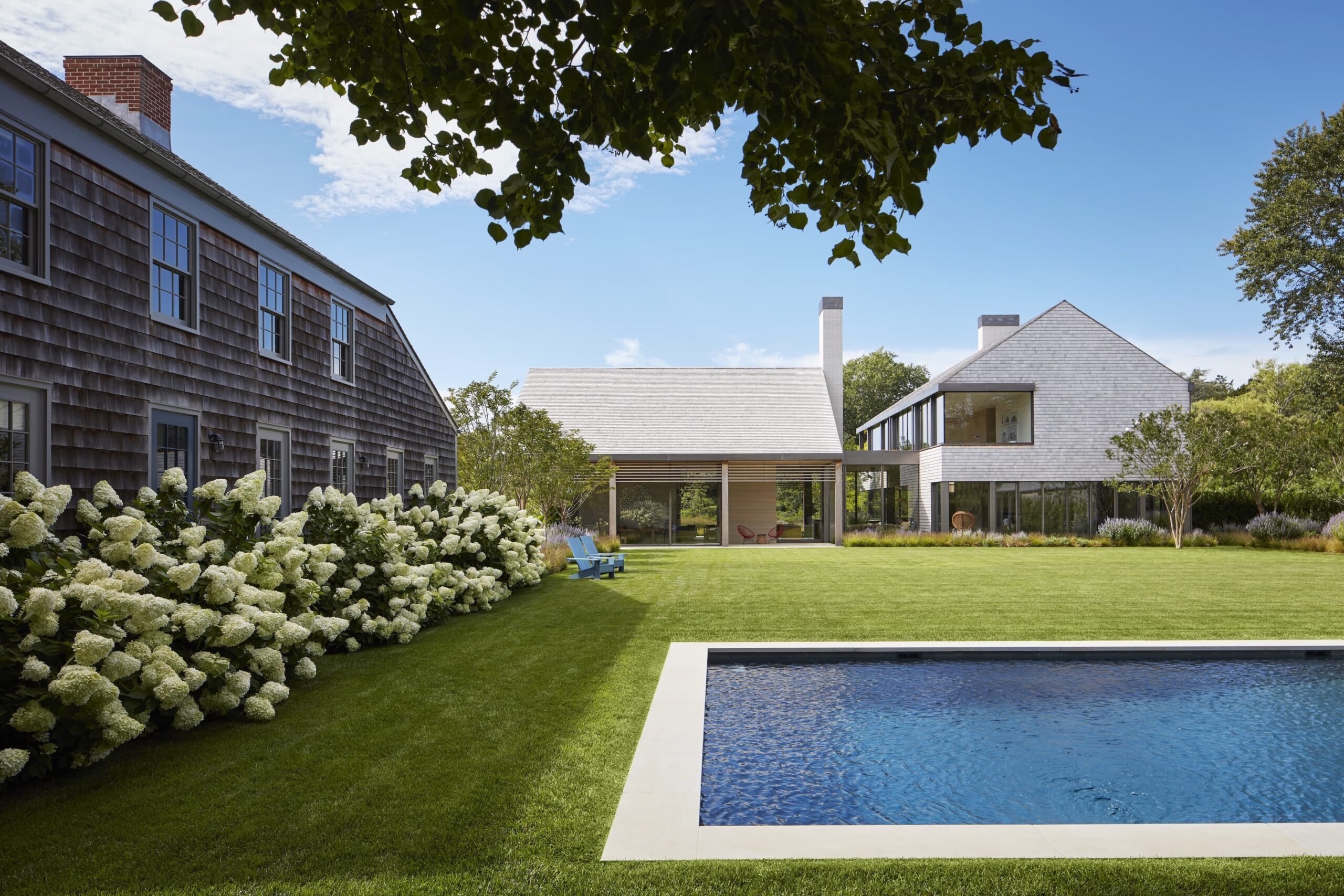
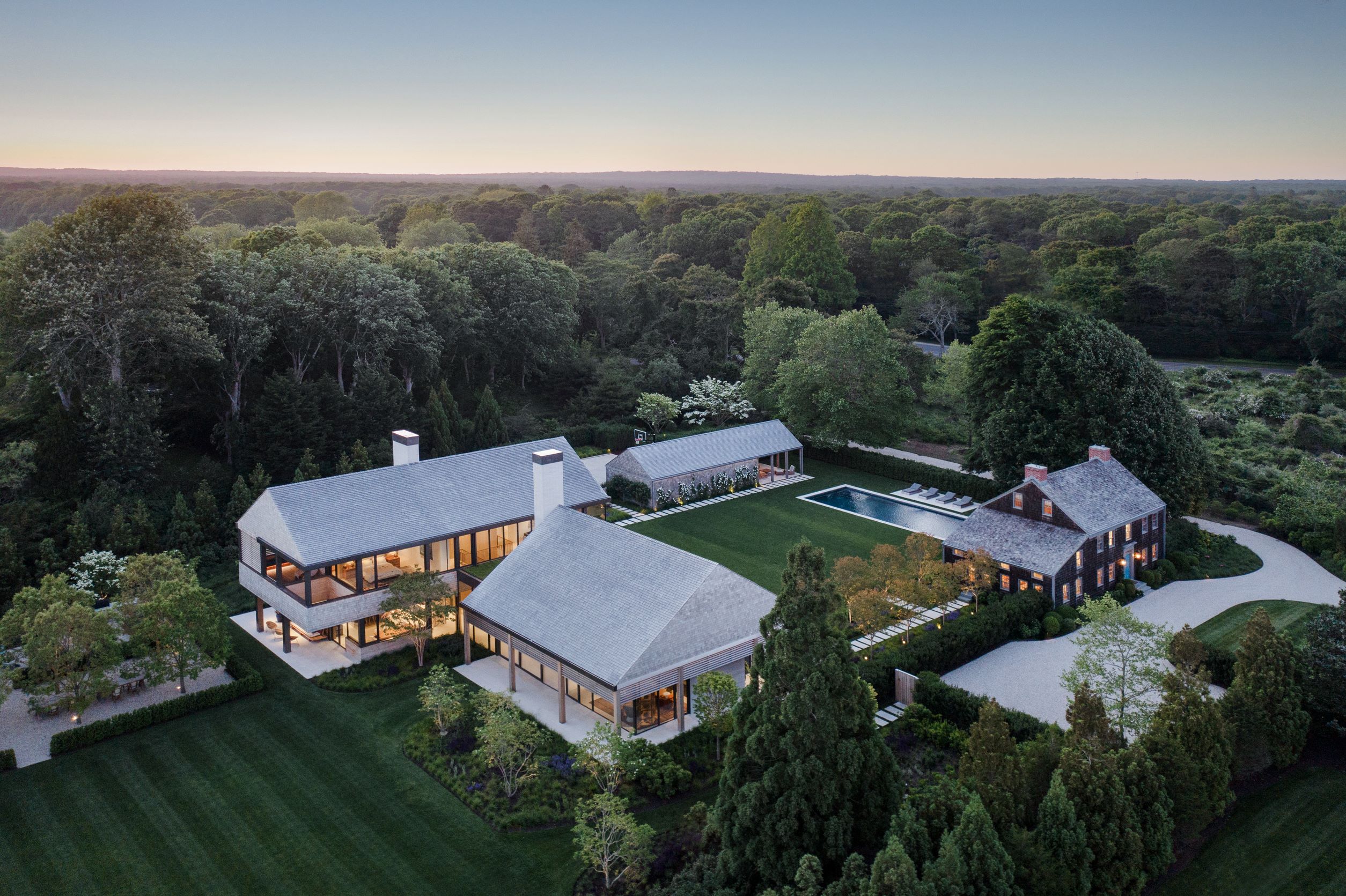
Rather than treating the farmhouse as a fragile artifact or an untouchable relic, the design team approached it as a living structure. One that could evolve while still carrying its history forward. The decision to relocate the saltbox within the site was not about spectacle or novelty. It was about giving the building a renewed role in the life of the property. By repositioning it as a guest house, the structure was able to remain active, occupied, and cared for, rather than sidelined or preserved in name only.
Restoration focused on keeping what mattered most. Proportions, rooflines, and the tactile quality of original materials were respected. Where updates were required, they were handled with restraint and clarity, ensuring that new interventions did not overpower the existing fabric of the house. The goal was not to freeze the saltbox in time, but to allow it to function comfortably within a modern setting while remaining recognisably itself.
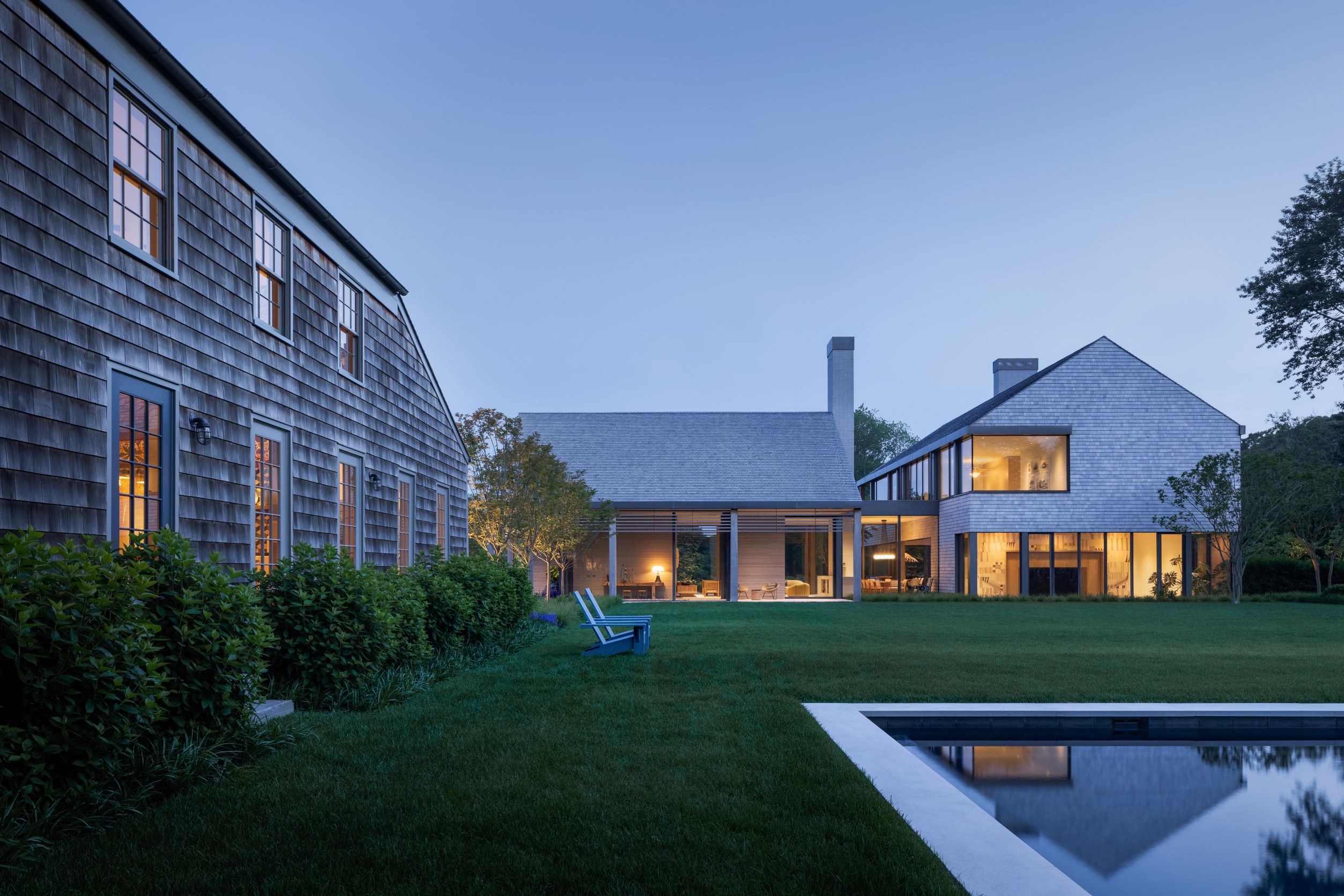
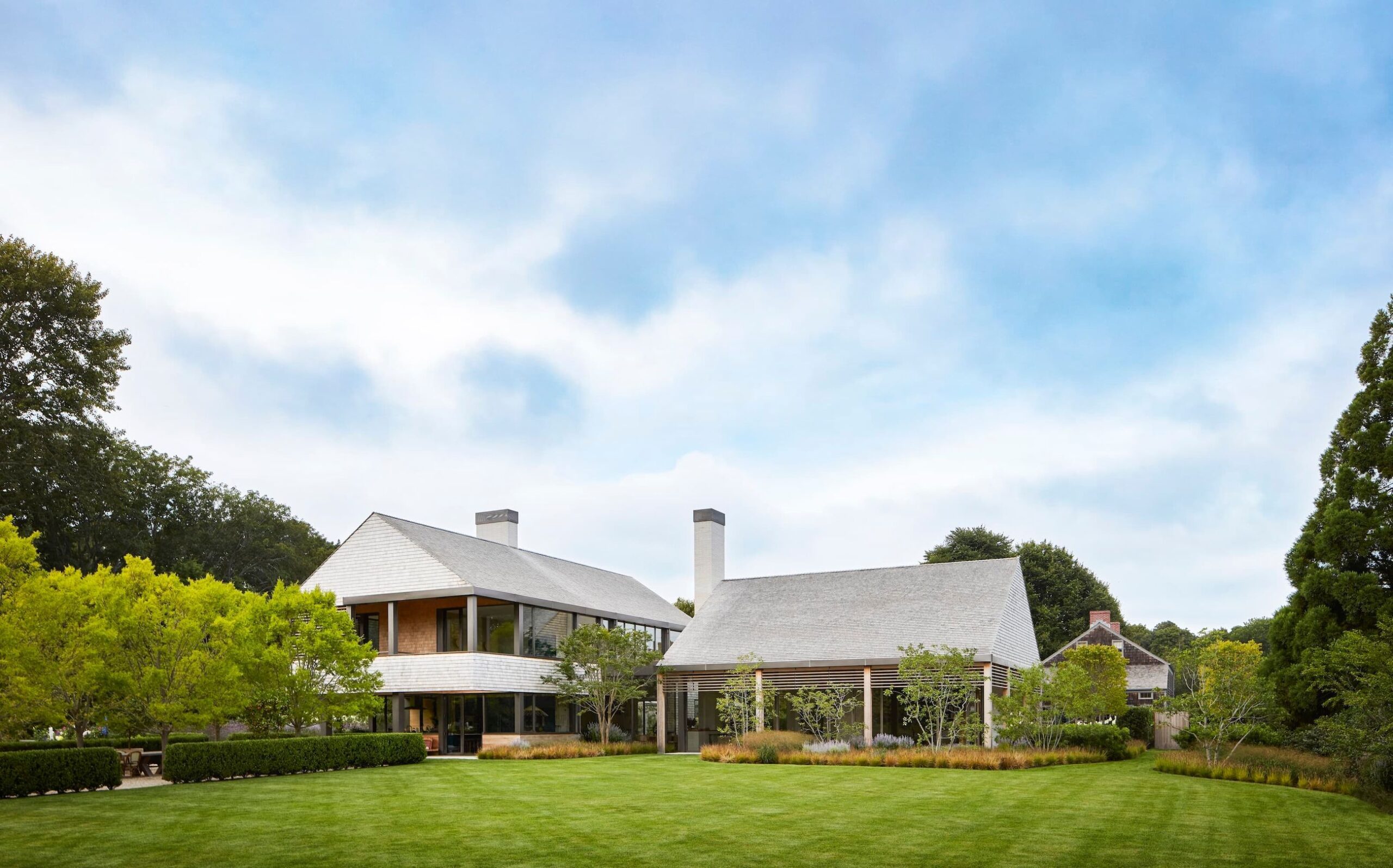
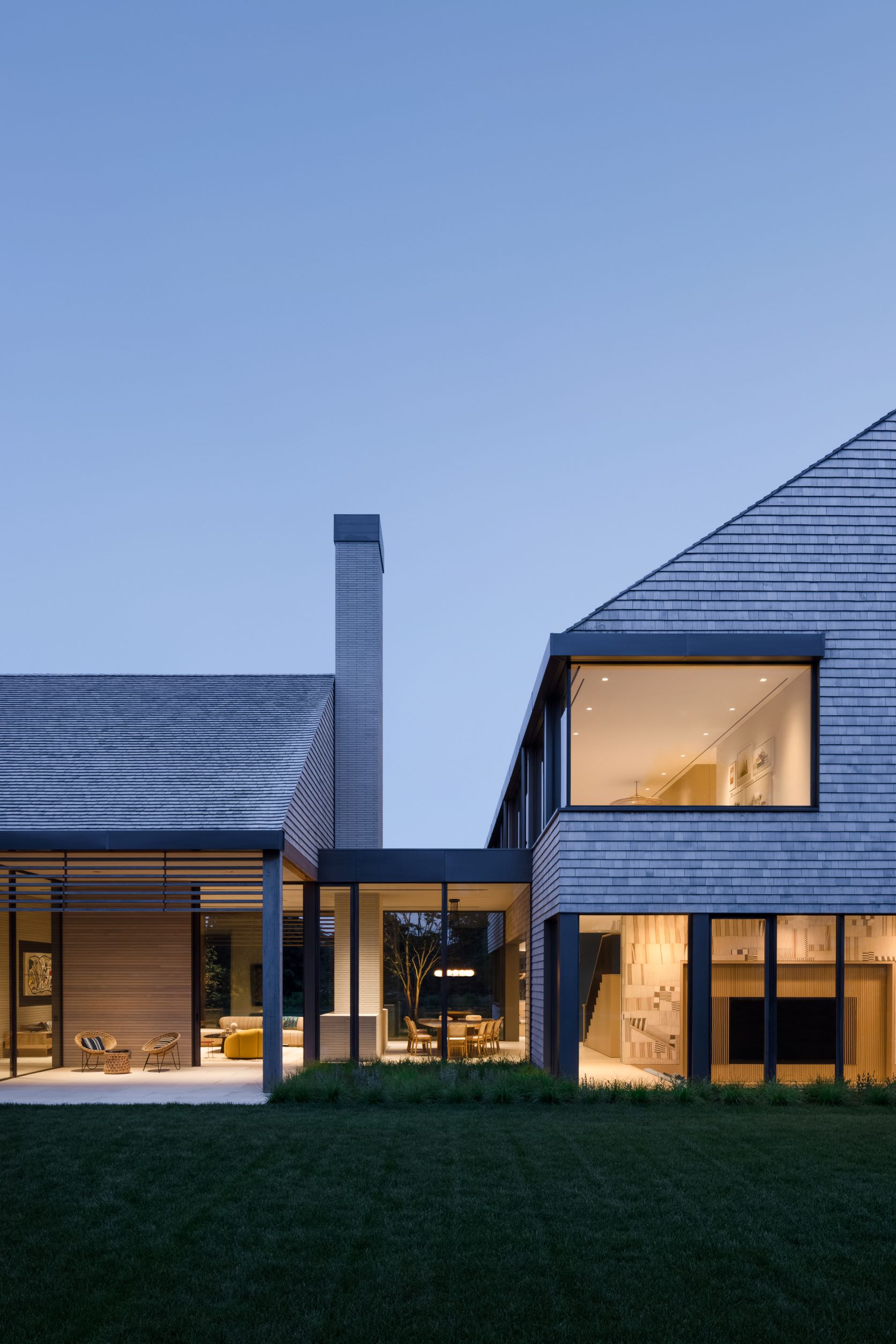
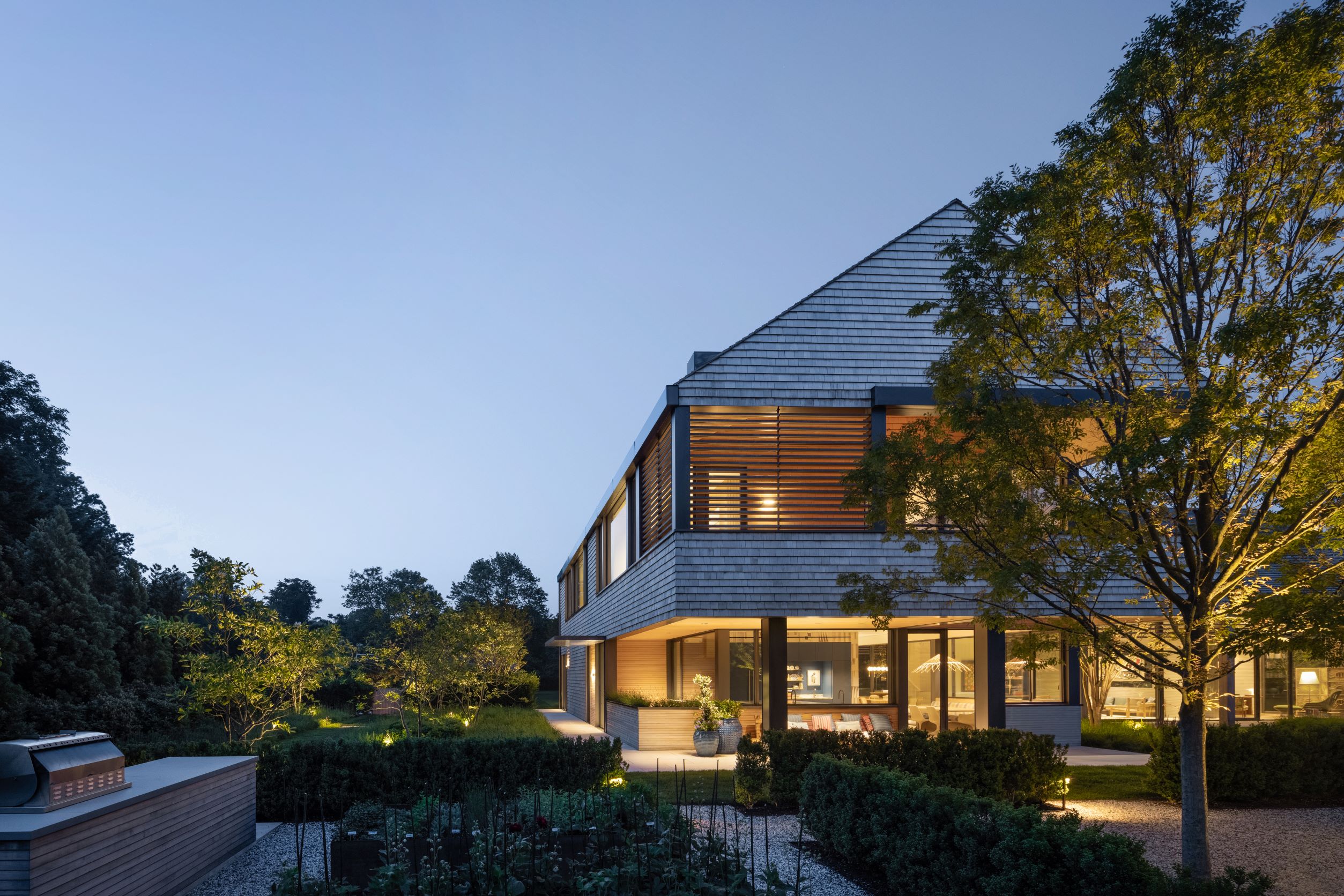
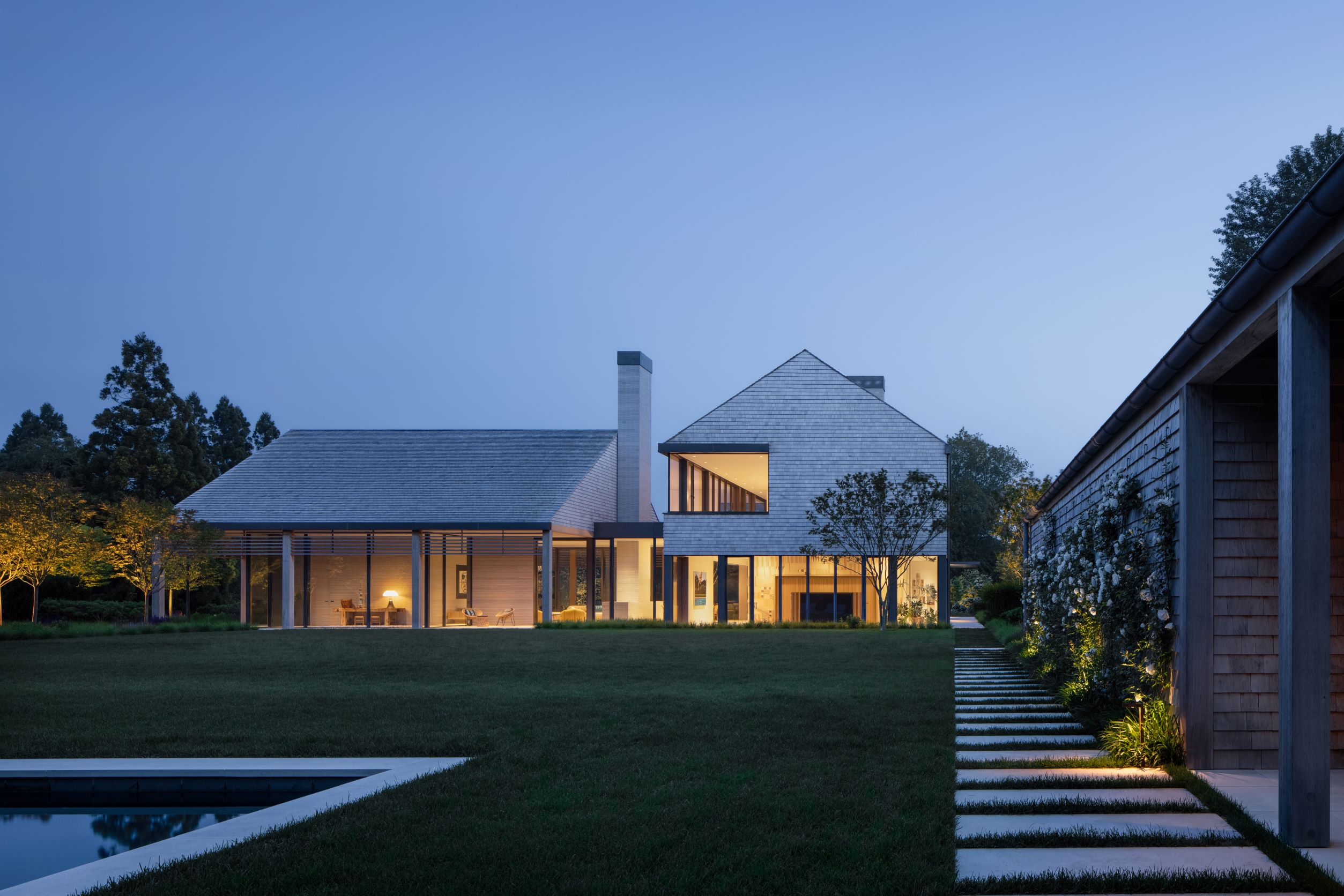
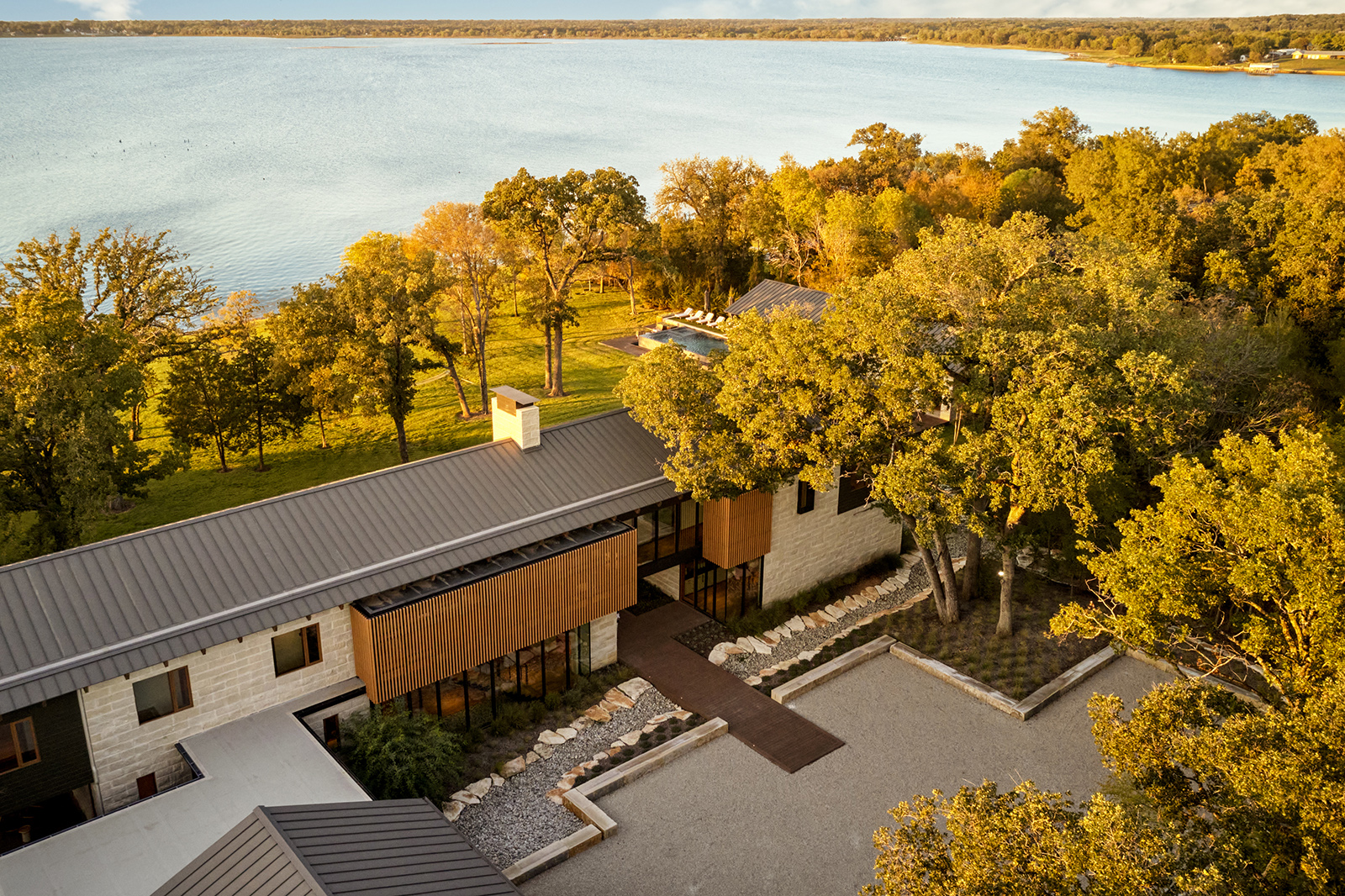
Relocation also allowed the site to breathe. Moving the farmhouse created space for a new residence to be introduced without forcing either building into an awkward compromise. The historic structure retained its sense of independence, while the contemporary home could be designed honestly, without borrowing or mimicking period details. This separation, reinforced by landscape rather than walls, made it possible for both buildings to feel authentic.
What ultimately preserves identity is use. A historic home that continues to host guests, conversations, and everyday routines is far more alive than one treated as a museum piece. At Cove Hollow, the saltbox remains woven into daily life, connected to the main residence through gardens, paths, and shared views rather than direct attachment.
Renovation without erasure requires confidence and care. It asks designers and homeowners to trust that history does not need to be disguised or exaggerated to survive. By allowing the saltbox to change just enough to remain useful, Cove Hollow House shows that preservation can be practical, humane, and forward looking. The result is a home that honours its past not through nostalgia, but through continued relevance.