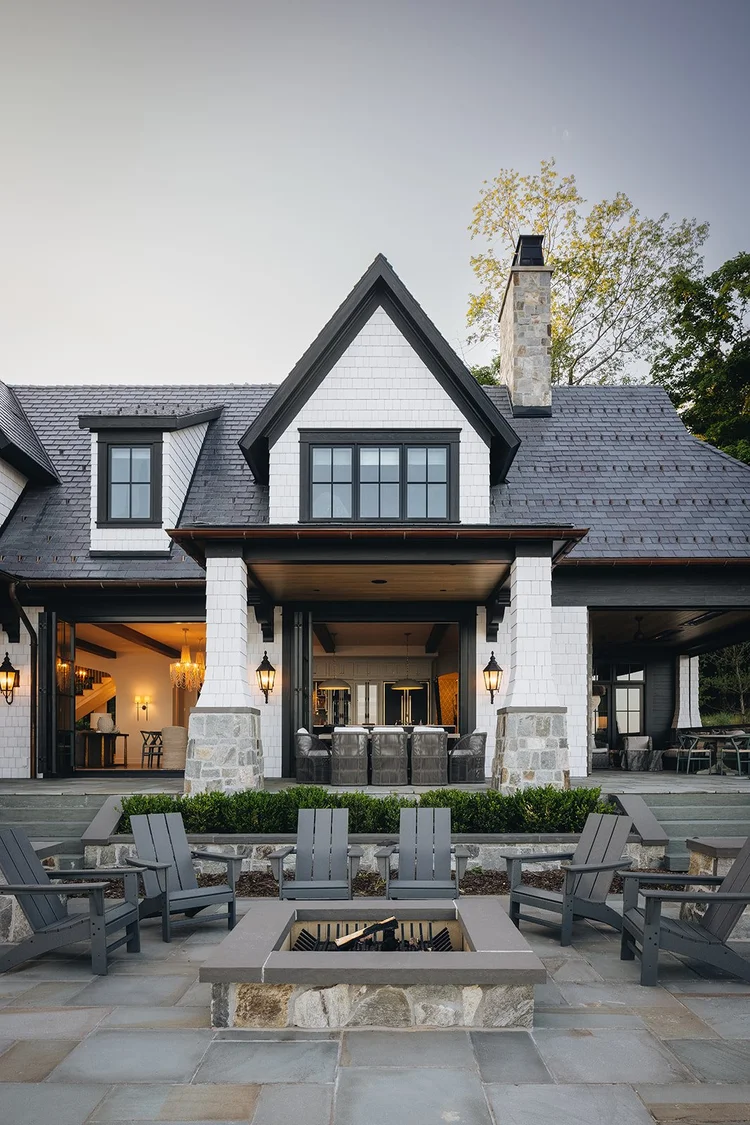
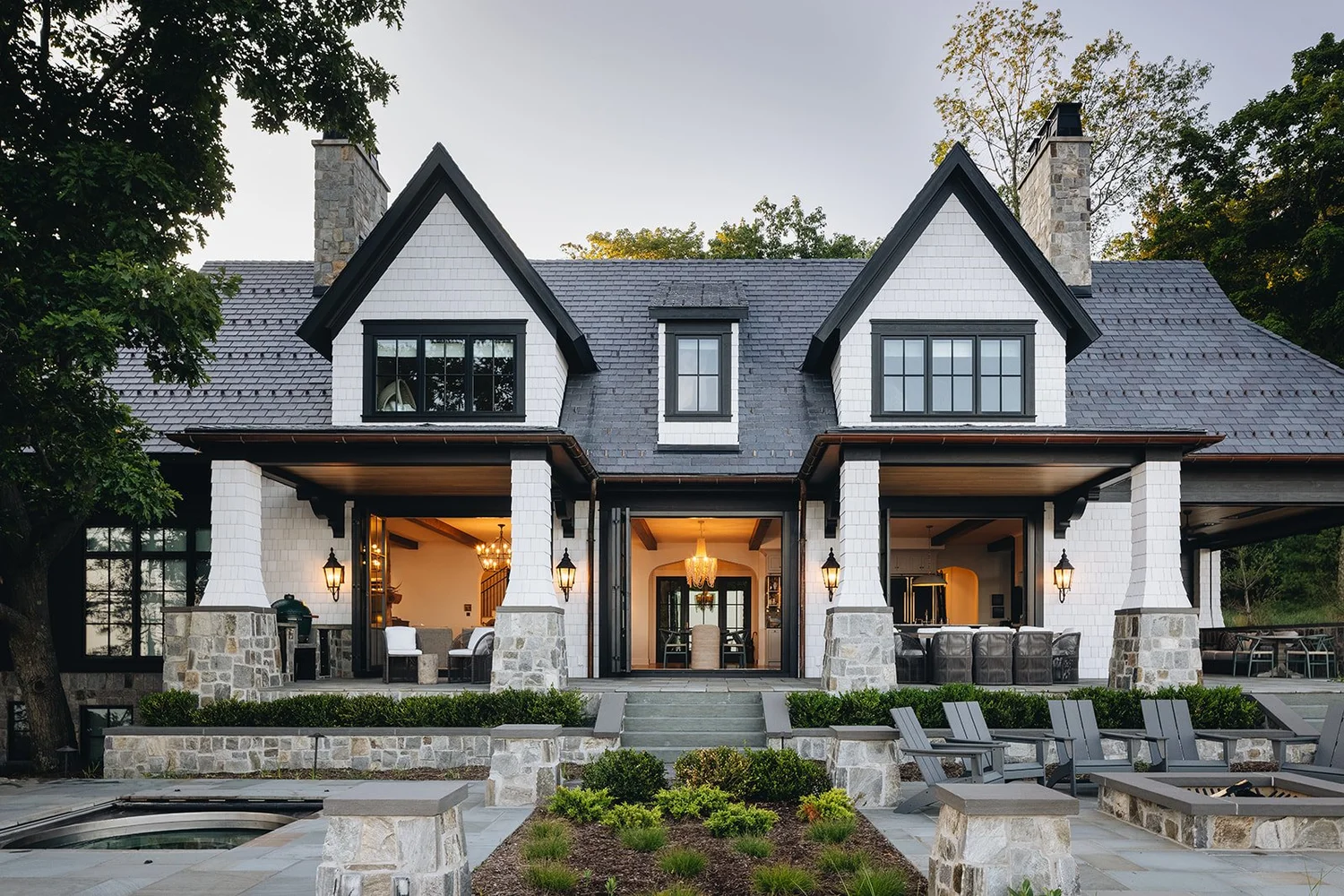
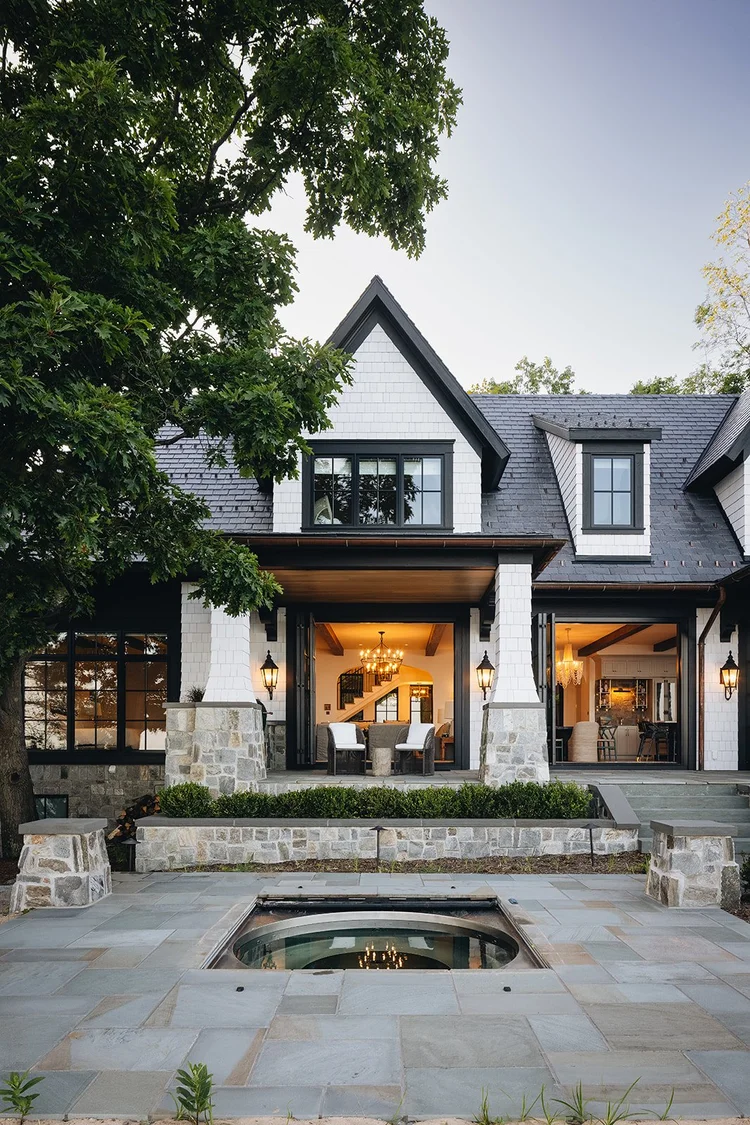
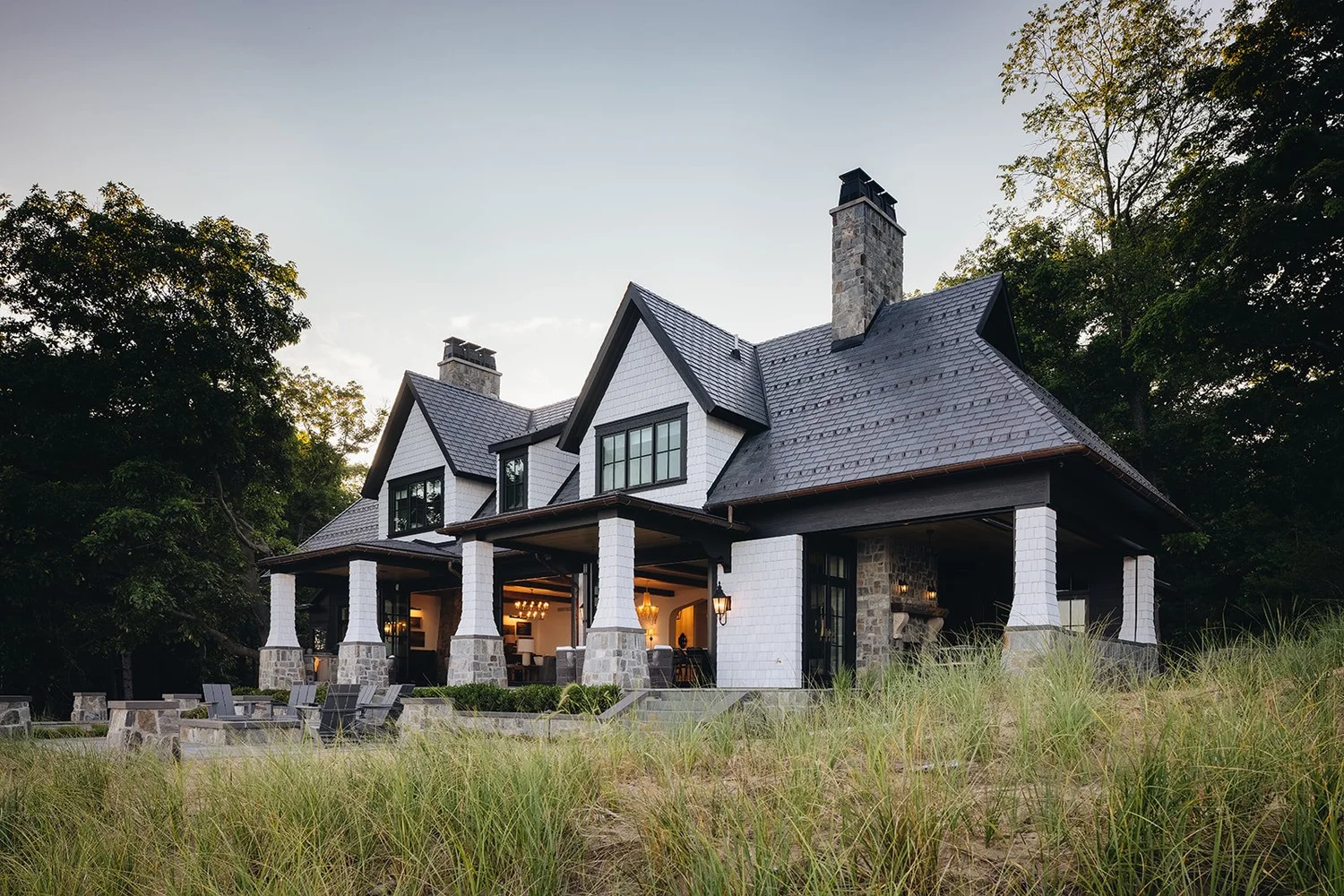
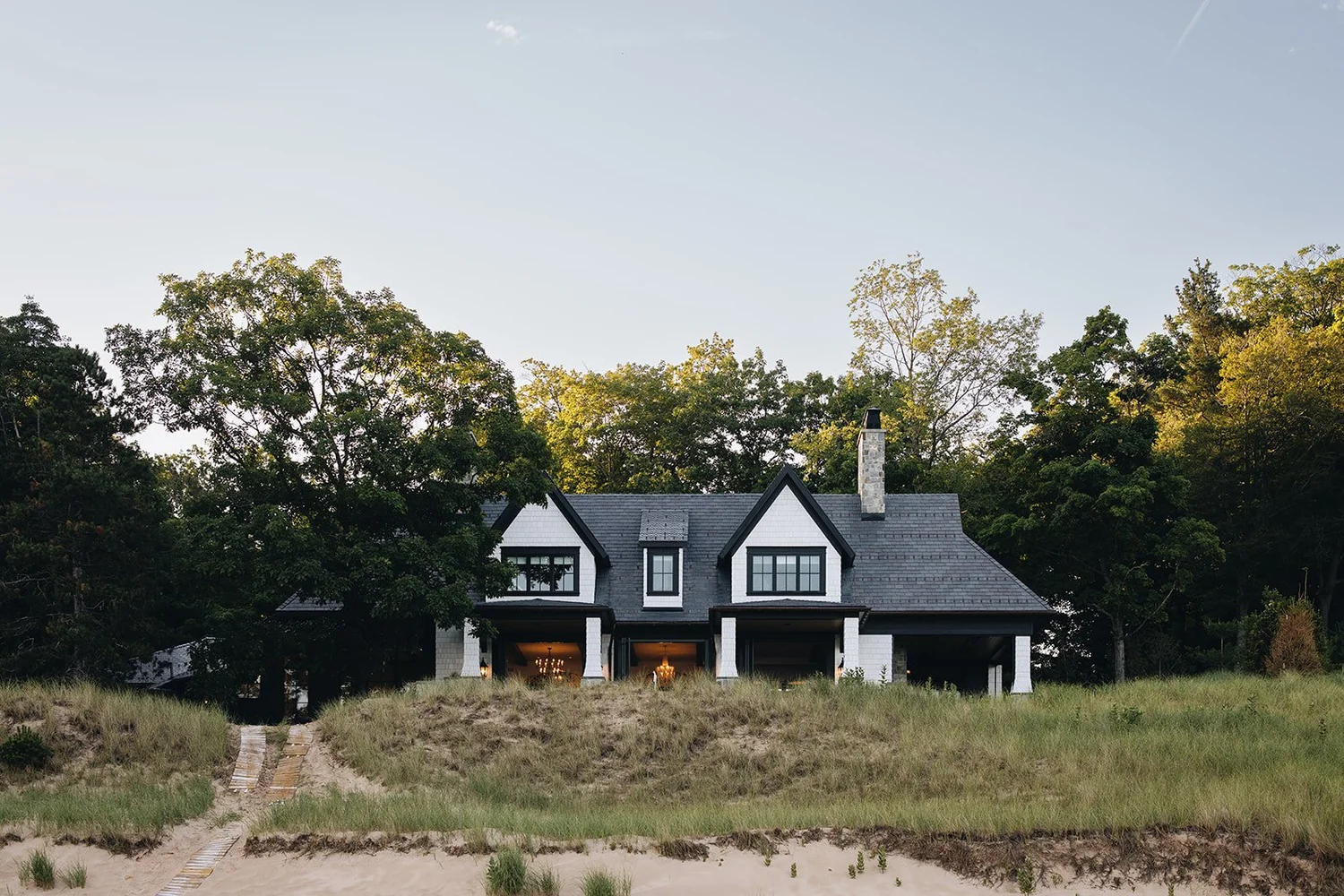
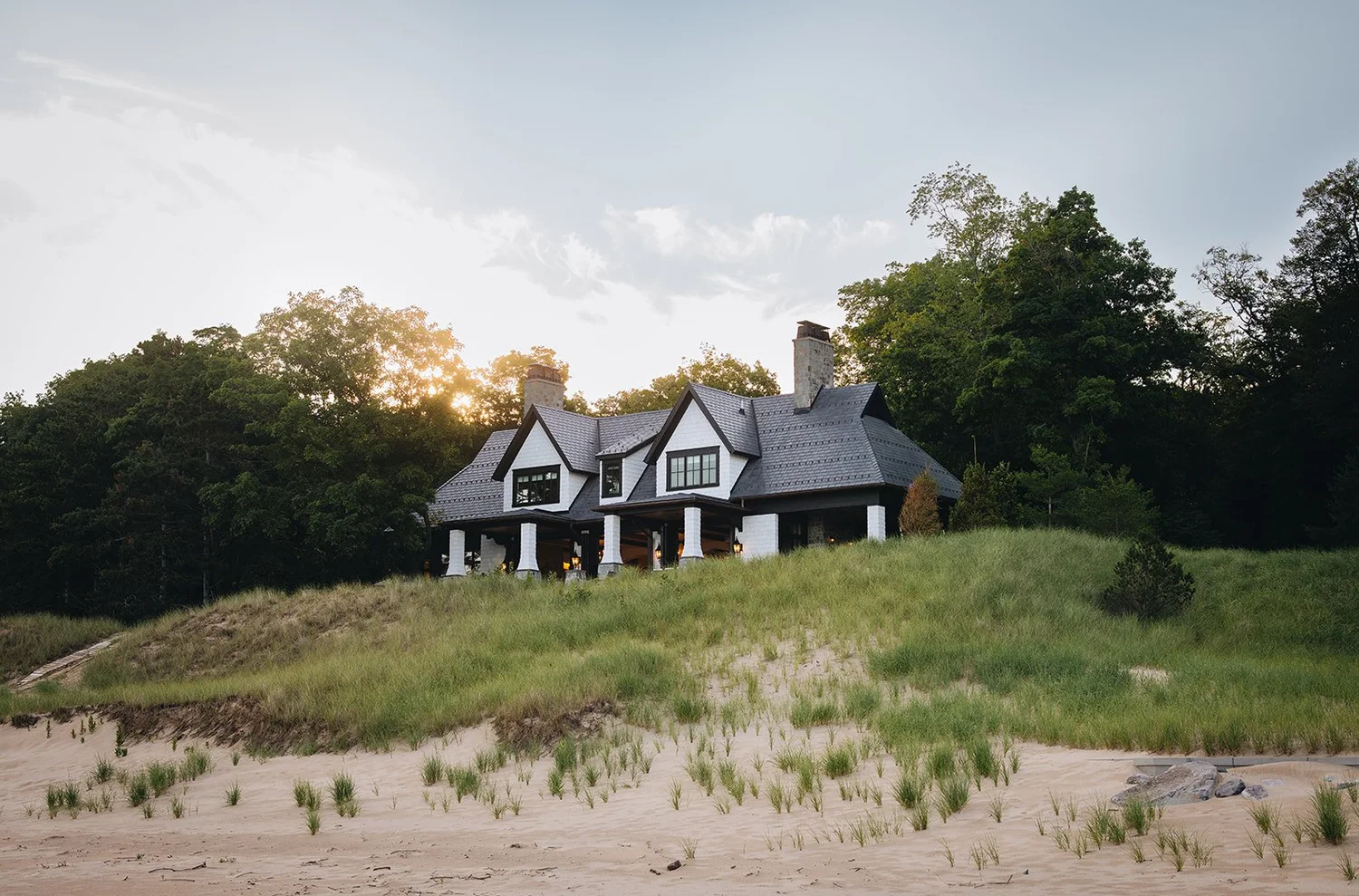
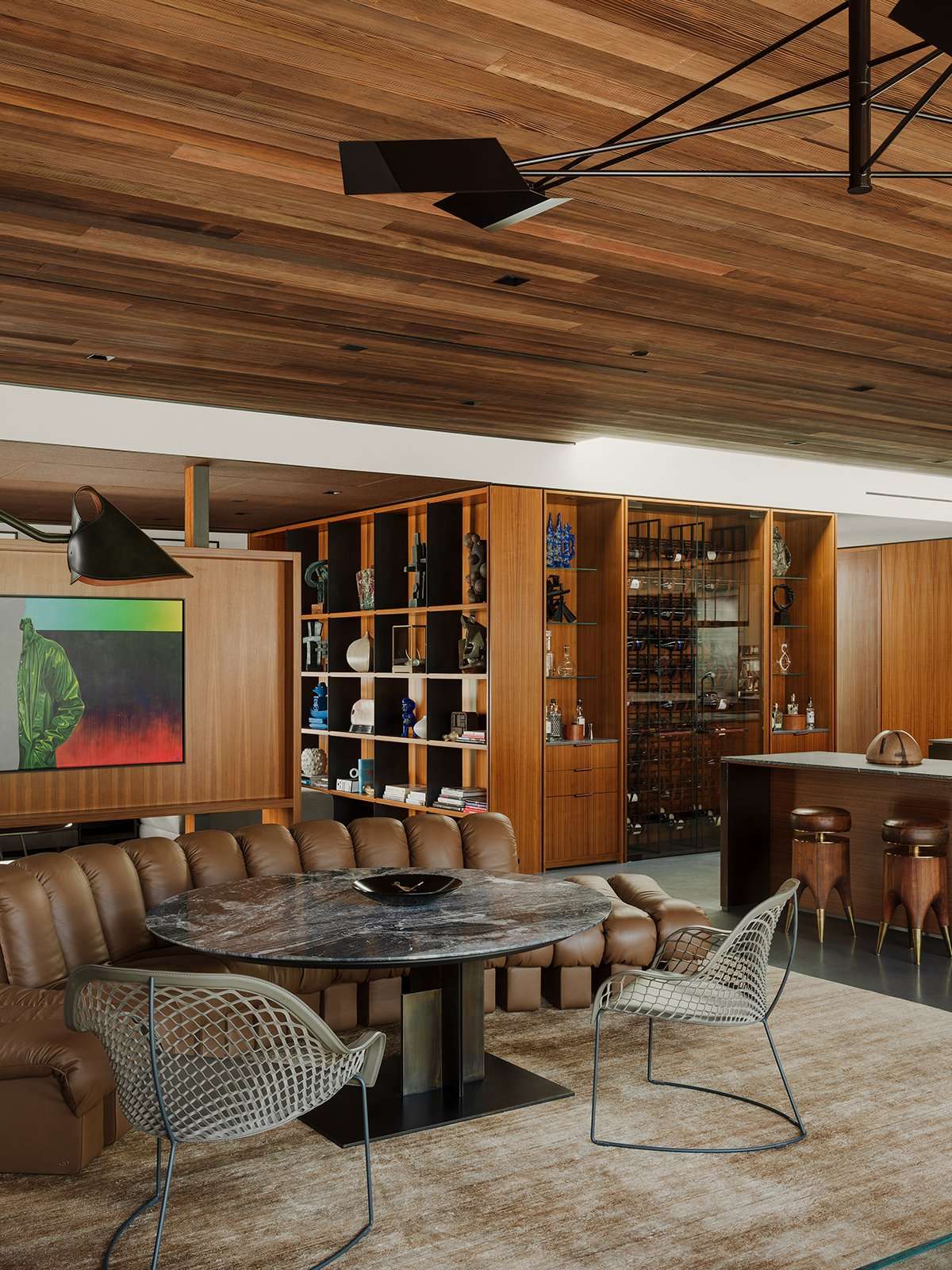
White and black have long carried symbolic and architectural weight, but nowhere is their relationship more compelling than along the coast. In modern coastal architecture, this contrast has become a defining language that speaks to clarity, strength, restraint, and timelessness. Against the ever changing backdrop of sky, sand, and sea, white and black offer a sense of composition that feels both anchored and alive.
Traditionally, coastal homes relied heavily on white for practical and symbolic reasons. White reflects heat, resists visual heaviness under strong sun, and creates an immediate sense of lightness and openness. Early seaside cottages, fishing homes, and colonial beach houses leaned into pale finishes to protect interiors from harsh coastal glare while visually blending into bright, open shorelines. Black, by contrast, was used sparingly, often reserved for shutters, ironwork, or rooflines.
Modern coastal architecture reinterprets that tradition with confidence. Today, crisp white volumes are paired with bold black framing, window grids, roof edges, and steel detailing. This shift reflects a broader influence from modernism, Scandinavian architecture, and contemporary farmhouse design, where contrast is used to sharpen form and emphasize proportion. Black defines edges. White expands space. Together, they create visual discipline.
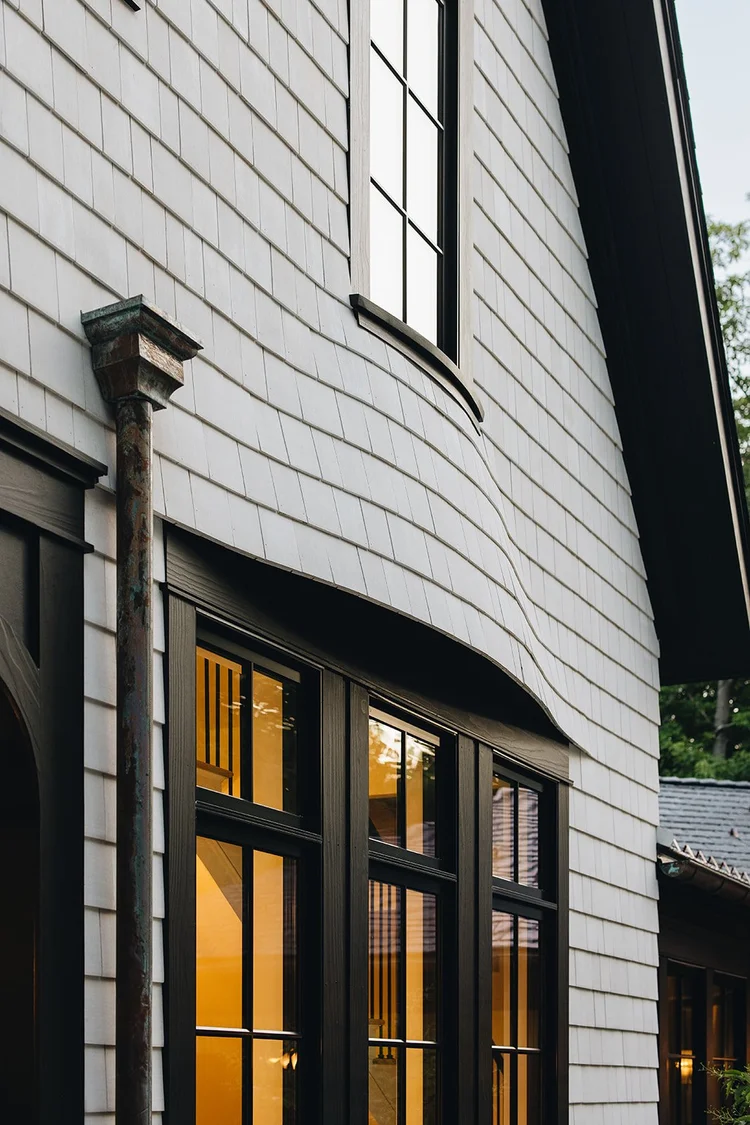
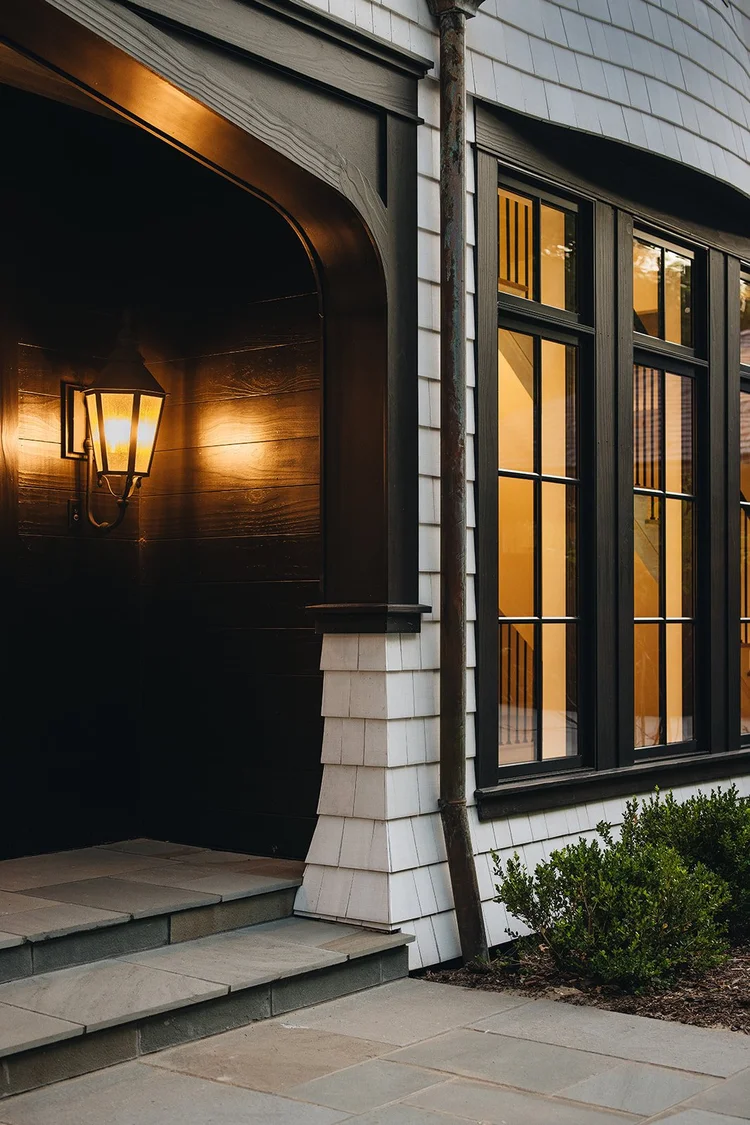
In homes like this one, the relationship between white siding and black steel framed windows is not decorative. It is structural in its impact. The black outlines segment views, organize façades, and prevent large white surfaces from feeling flat or exposed. They introduce rhythm and geometry to the elevation, allowing light and shadow to perform across the architecture throughout the day. At sunrise and sunset, the contrast becomes even more dramatic, as darkness frames reflection and sky.
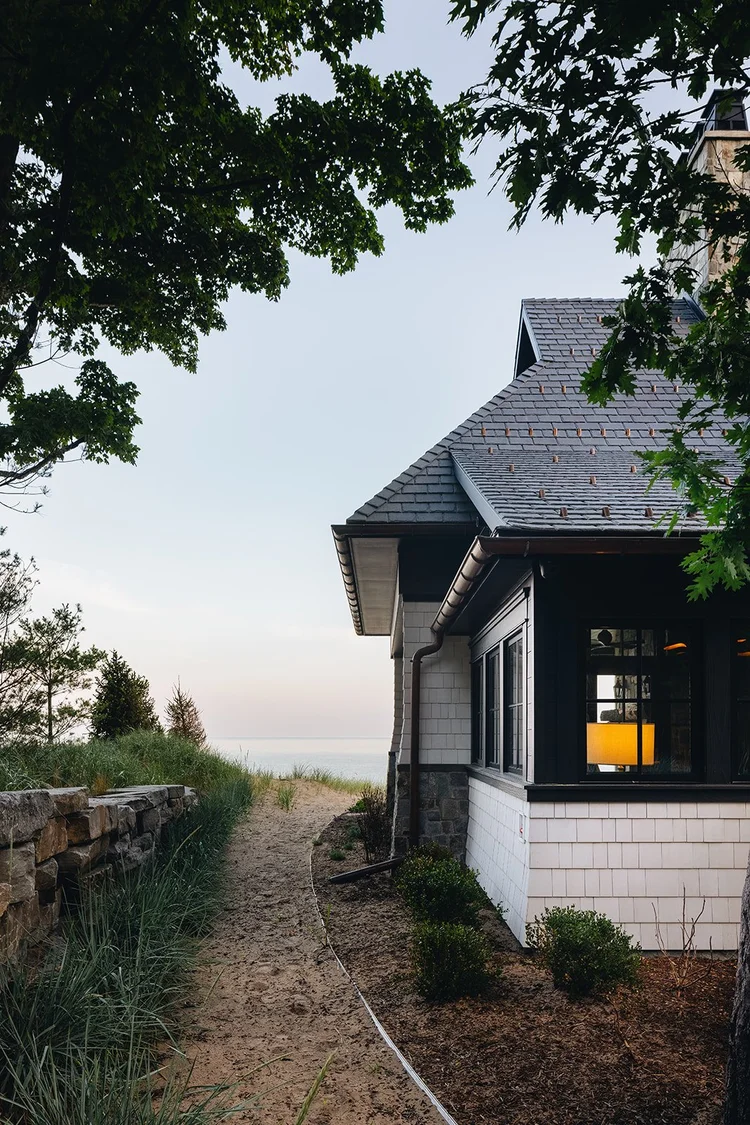
This palette also reflects a deeper coastal sensibility beyond aesthetics. Coastal environments are inherently layered. Soft grasses sit against hard stone. Shifting water meets solid land. Pale sand rests against dark horizon lines. Black and white mirror this natural tension. The result feels intuitive rather than imposed, as though the architecture is responding to the landscape itself.
Inside, this duality continues through exposed beams, dark metal accents, pale walls, and tactile stone. White creates breathing space. Black introduces pause and punctuation. Together, they allow other materials such as wood, marble, brass, and ceramic to stand clearly without visual chaos.
What makes this approach enduring is its refusal to chase trend driven coastal styling. There are no forced nautical references or decorative clichés. Instead, contrast becomes the emotional anchor of the design. It adds authority without heaviness, elegance without fragility, and clarity without coldness.
In contemporary coastal architecture, white and black are no longer opposites. They are partners that balance light and weight, softness and strength, nature and structure. In that balance, modern coastal homes find their quiet power.