The Architecture of Looking Out
Image Credits: Lepang Ferguson
The Room That Breathes With the Outdoors
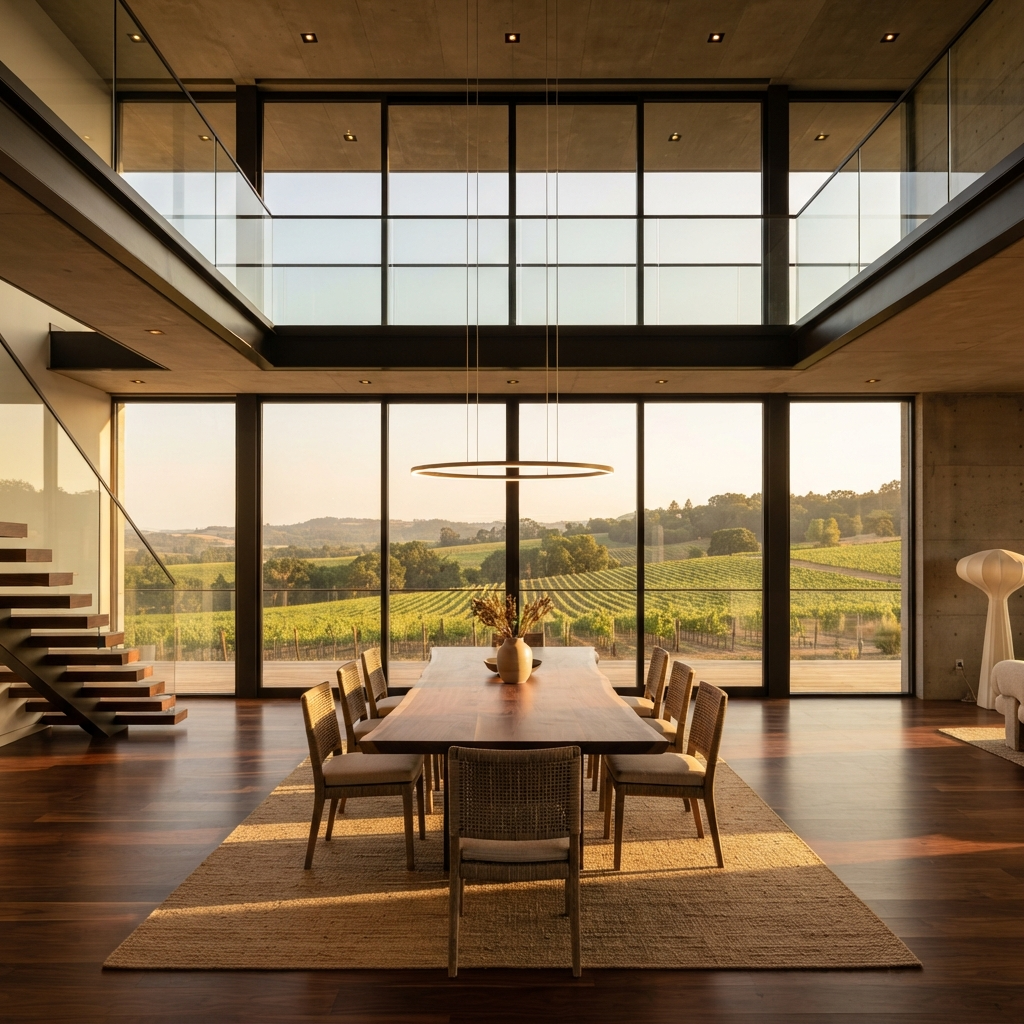
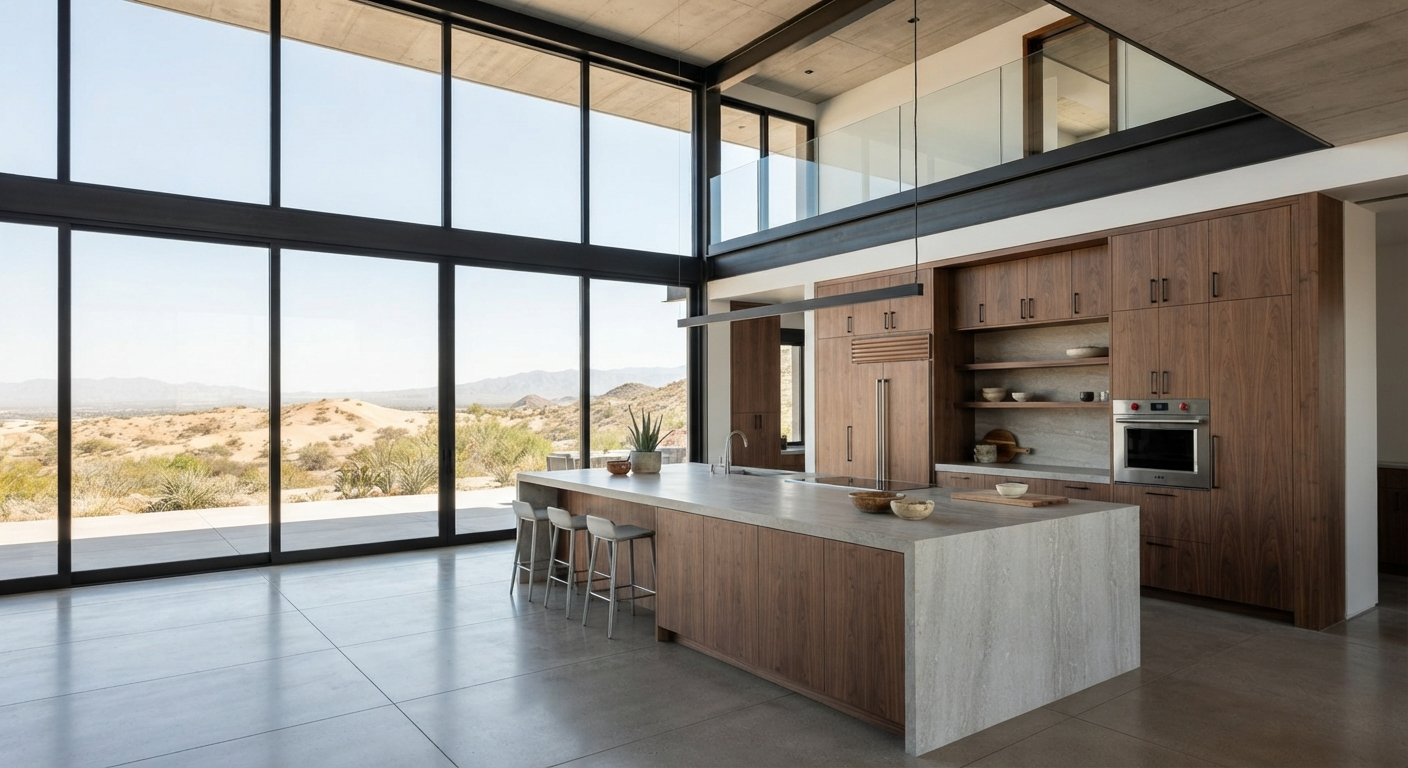
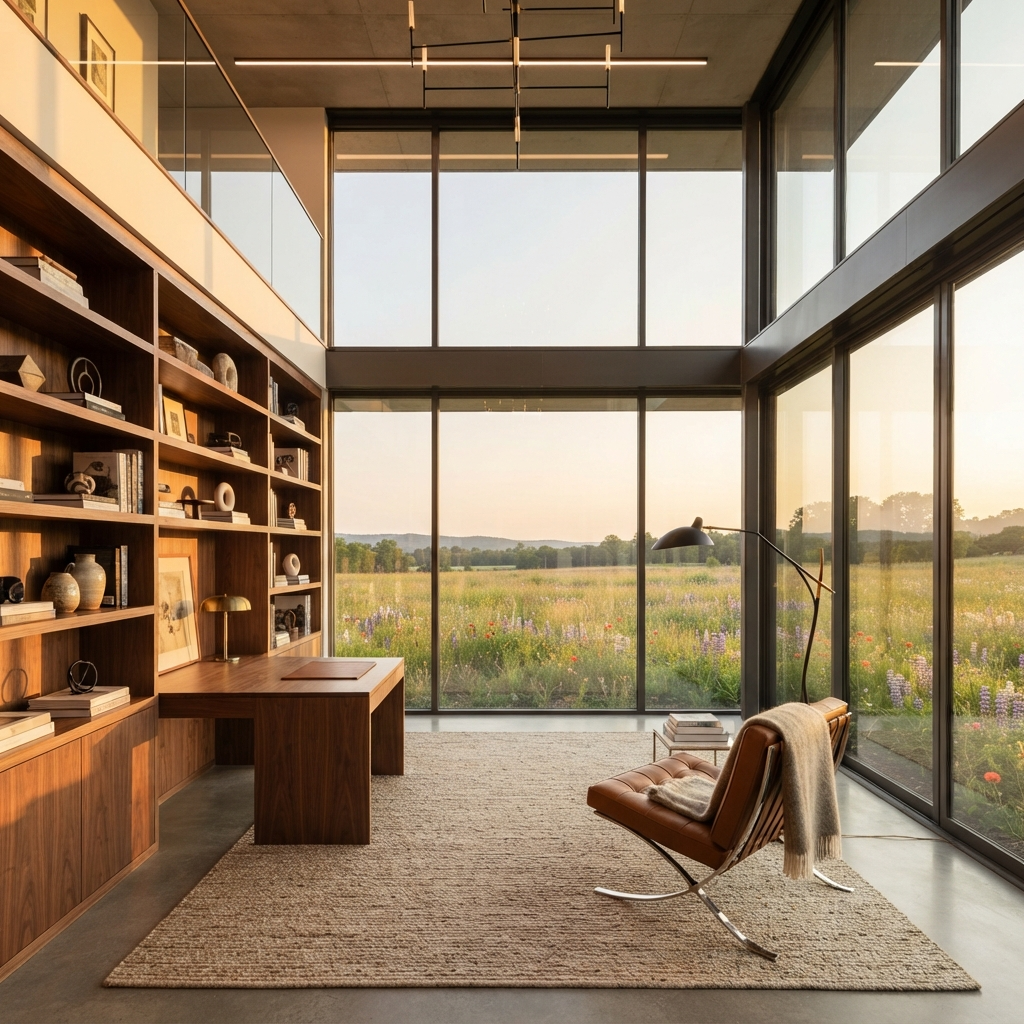
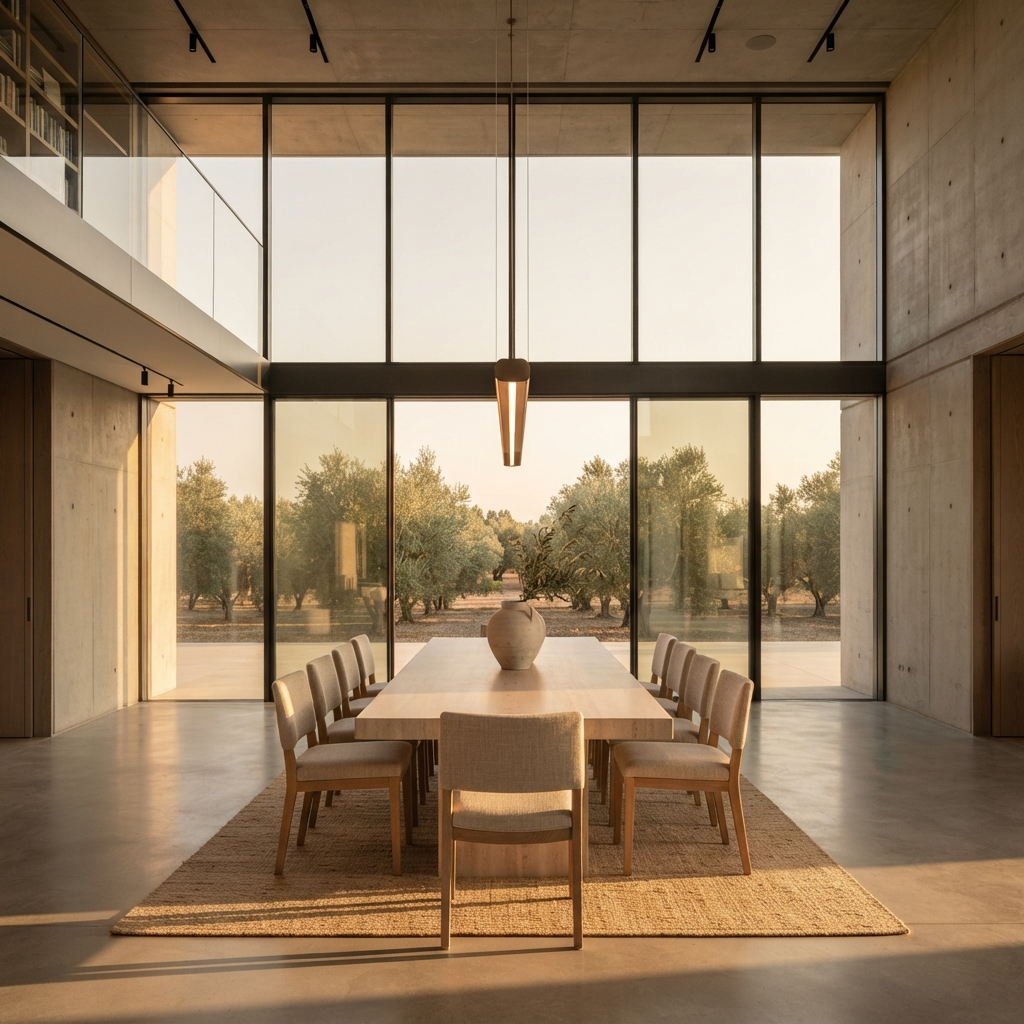
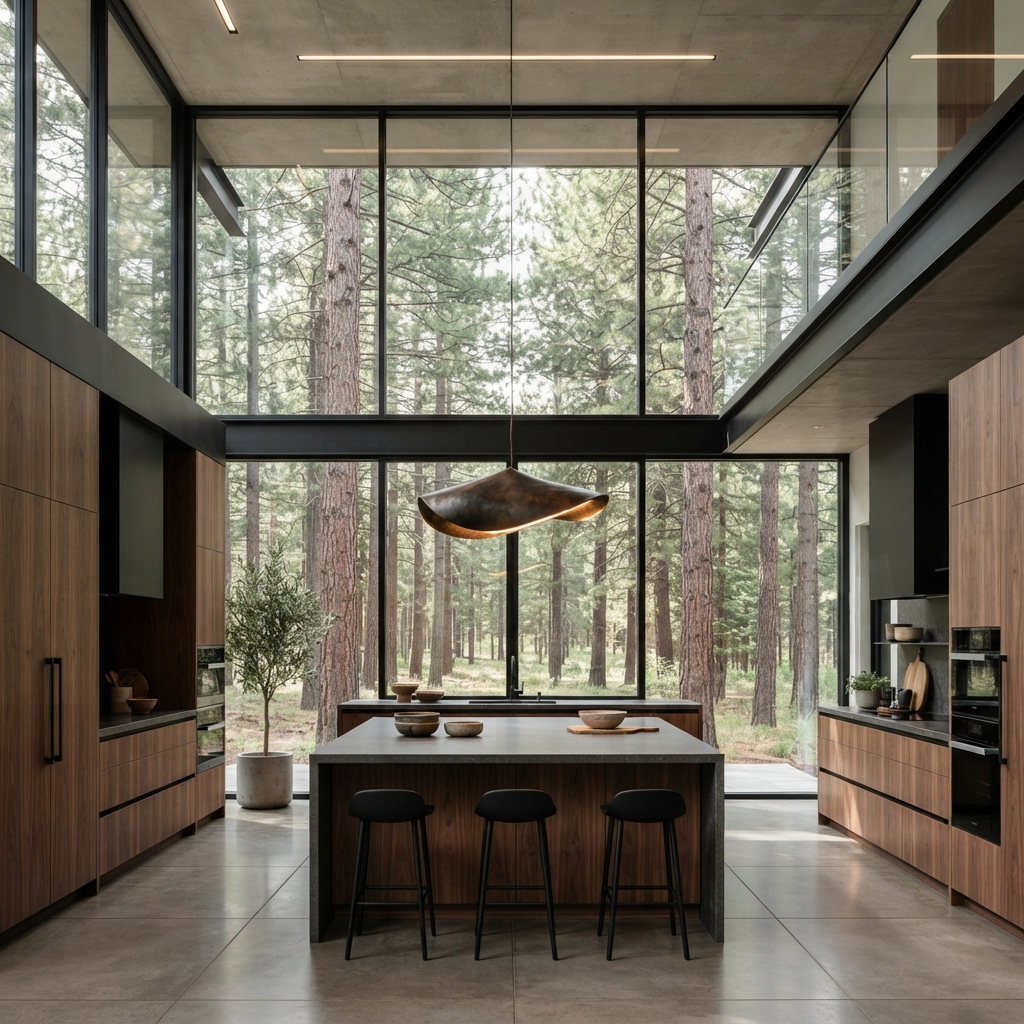
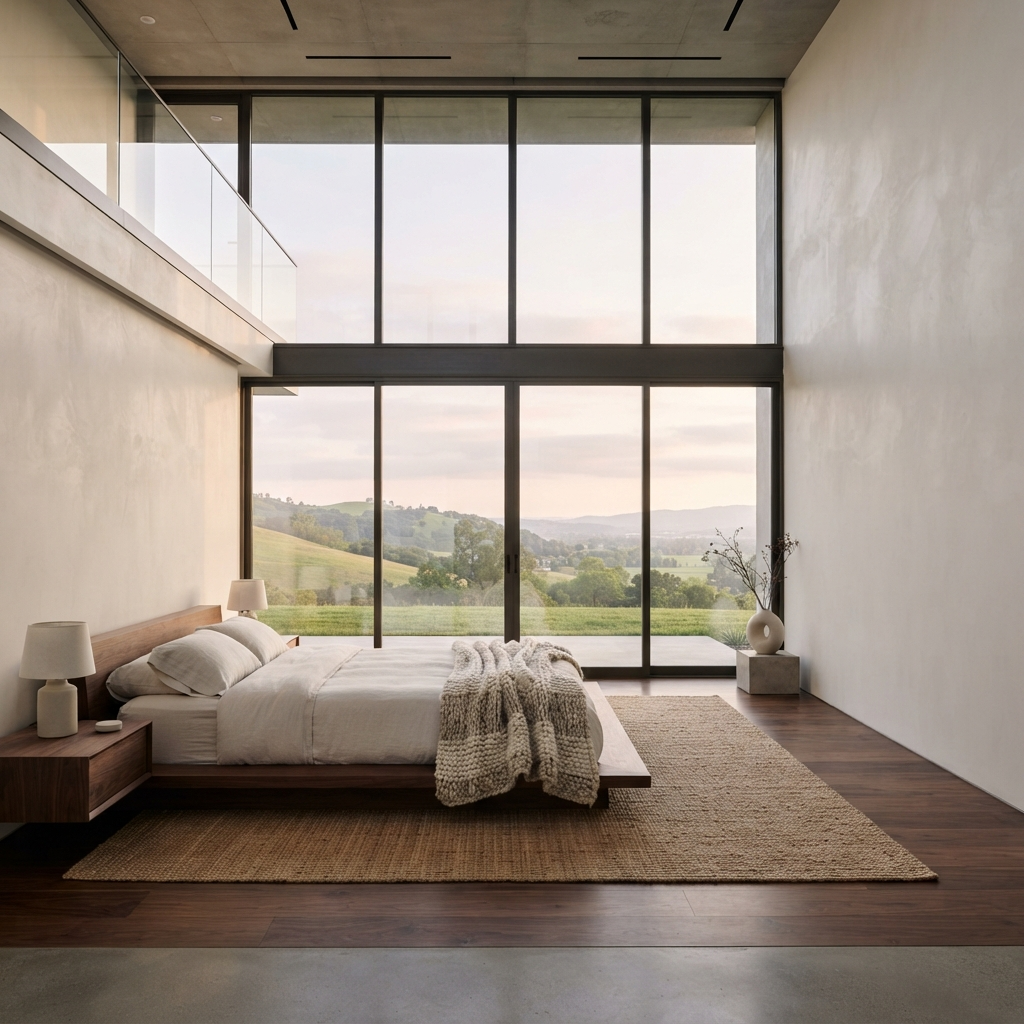
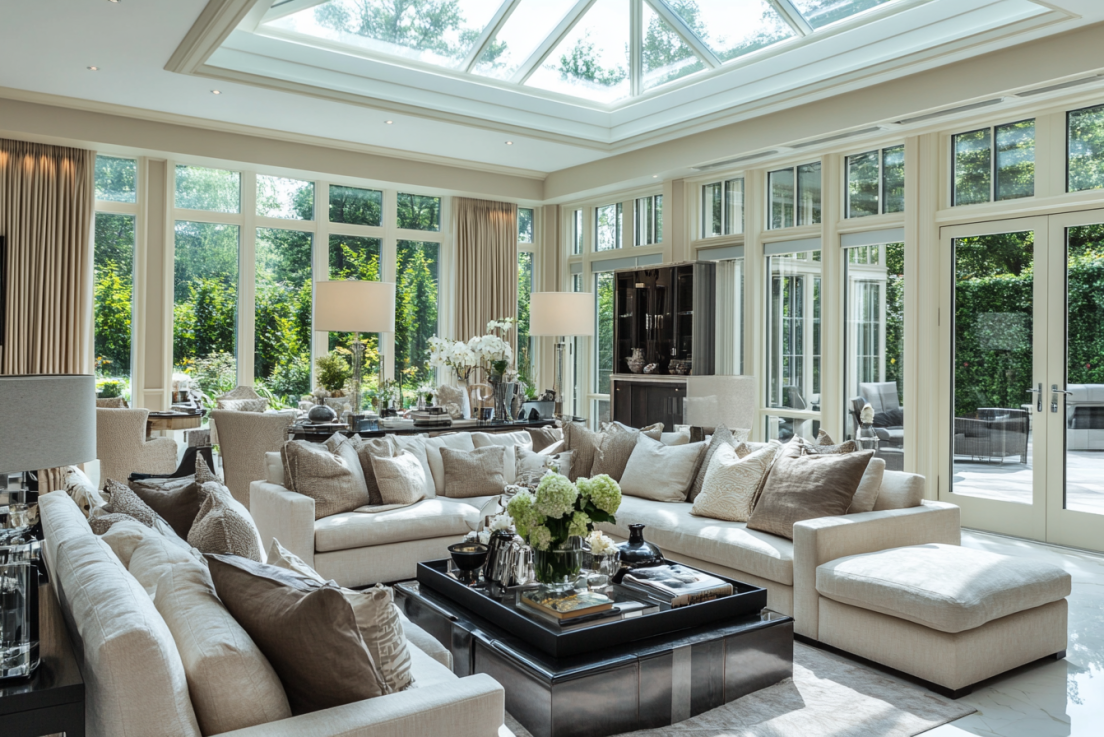
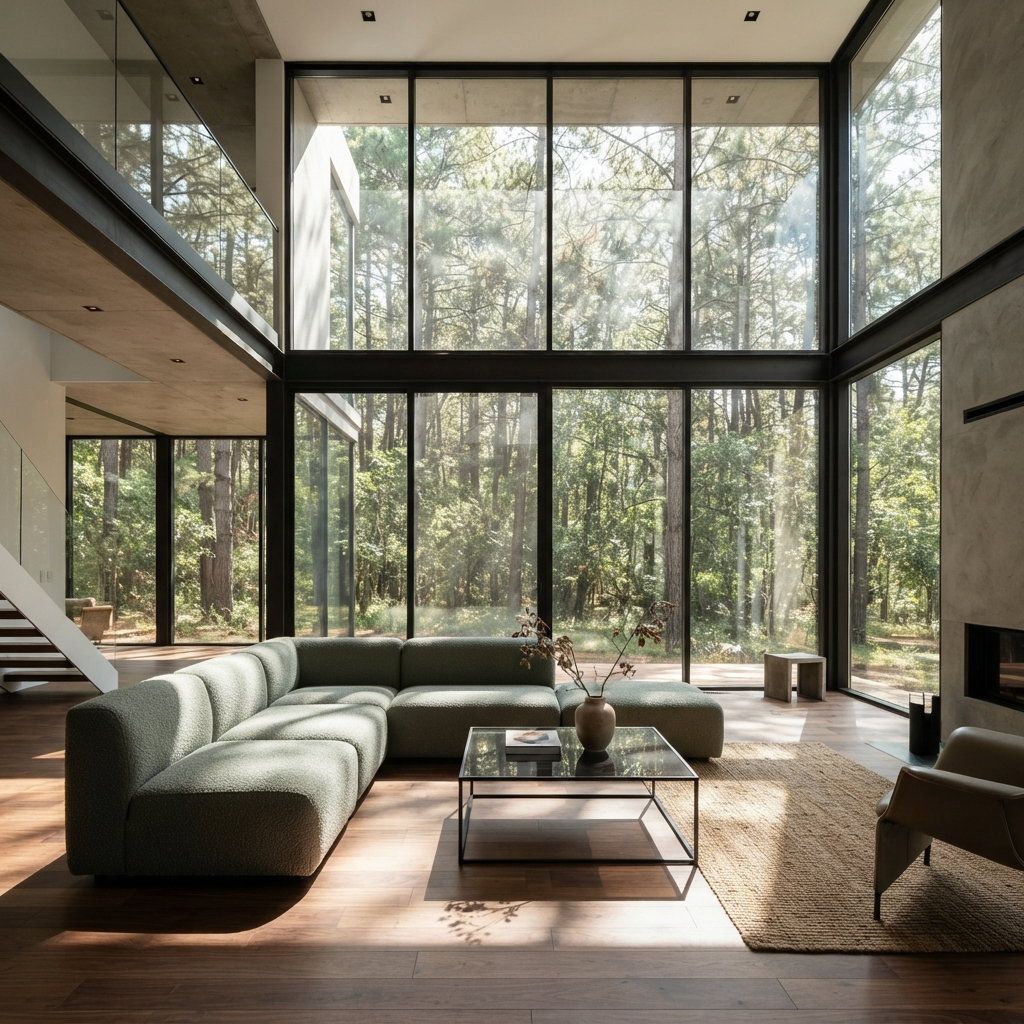
There is a particular kind of room that only exists in houses built with real intention, the double height space wrapped almost entirely in glass, where the wall stops behaving like a wall and starts behaving like a view. These rooms are having a moment in high end residential architecture, and it is easy to understand why. A ceiling that rises two stories changes how a body moves through a room. Add a full width window in place of that far wall, and the room stops feeling contained altogether. You are indoors, technically, but the sense of enclosure that usually comes with four walls simply is not there.
Achieving this kind of space is less about the glass itself and more about everything working quietly around it. Structural framing has to be pushed to the edges or hidden within slim steel columns, so nothing interrupts the sightline. Engineers plan for wind load and thermal expansion at a scale most homes never require. None of that is meant to be visible. The goal is always the same, a wall that reads as absence rather than material.
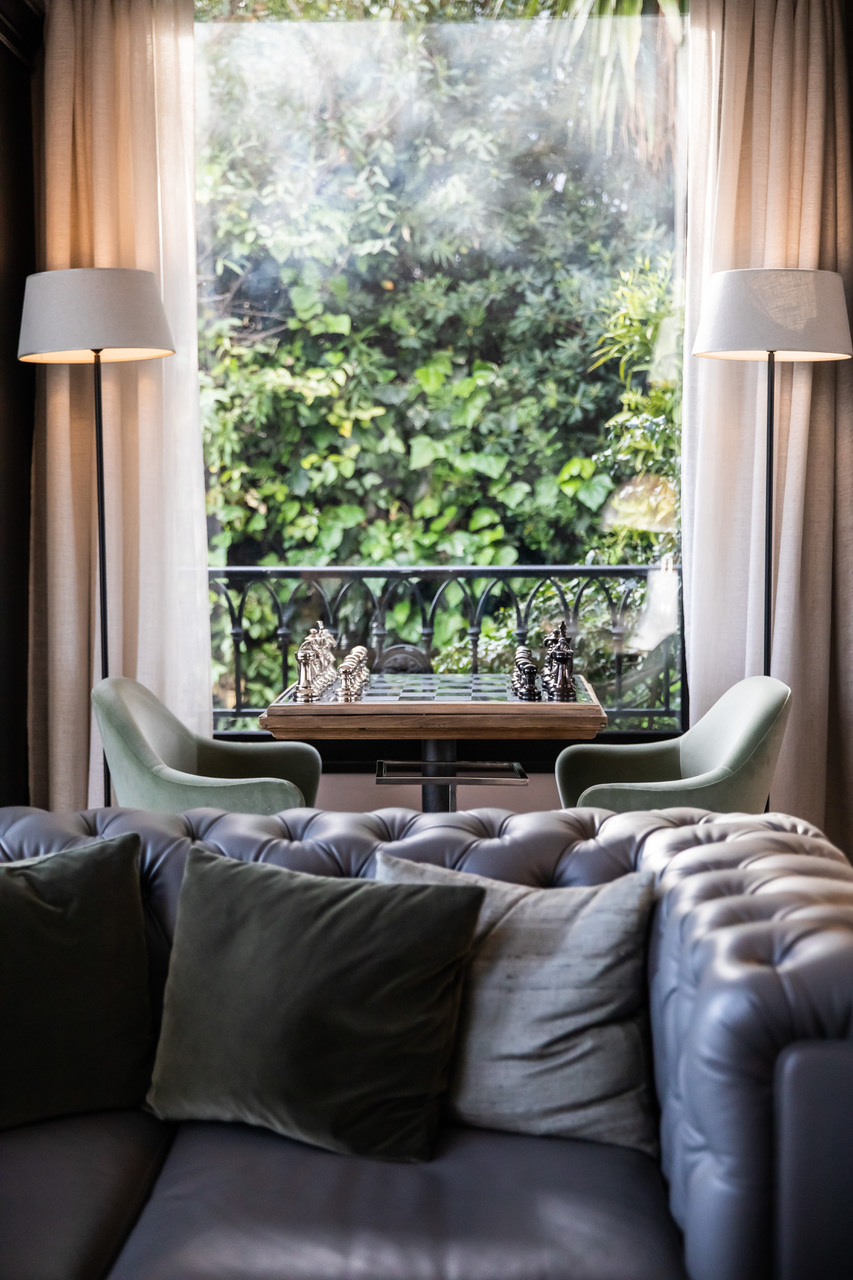
The rooms that do this well tend to lean on a narrow, considered material palette elsewhere, so the glass has room to be the star. Walnut paneling, honed stone floors, and blackened steel fixtures show up again and again in homes built this way, chosen because they read as warm and grounded against so much transparency. Furniture stays low profile, often upholstered in linen or boucle, so nothing competes with the height of the ceiling or the pull of the view. Lighting is usually kept recessed, with perhaps one sculptural fixture allowed to draw the eye upward, a rare moment where the room asks you to look in rather than out.
What makes these rooms so compelling, though, is the view from inside them. Sitting in a space like this, the outdoors stops being something you glance at occasionally and becomes the room’s real subject. Light moves across the walls the way it moves across open land or water, changing the mood of the space without a single design choice being altered. Morning feels different from afternoon. A clear day feels different from an overcast one. Few architectural gestures give a house this much life without adding a single extra room.
This is the appeal of the double height glass volume, not the engineering behind it, though there is plenty, but the way it lets a house breathe with the world outside it.