
The Power of Framed Views
Photo Credit: Melanie Acevedo
How sightlines shape emotion and spatial experience in architecture.
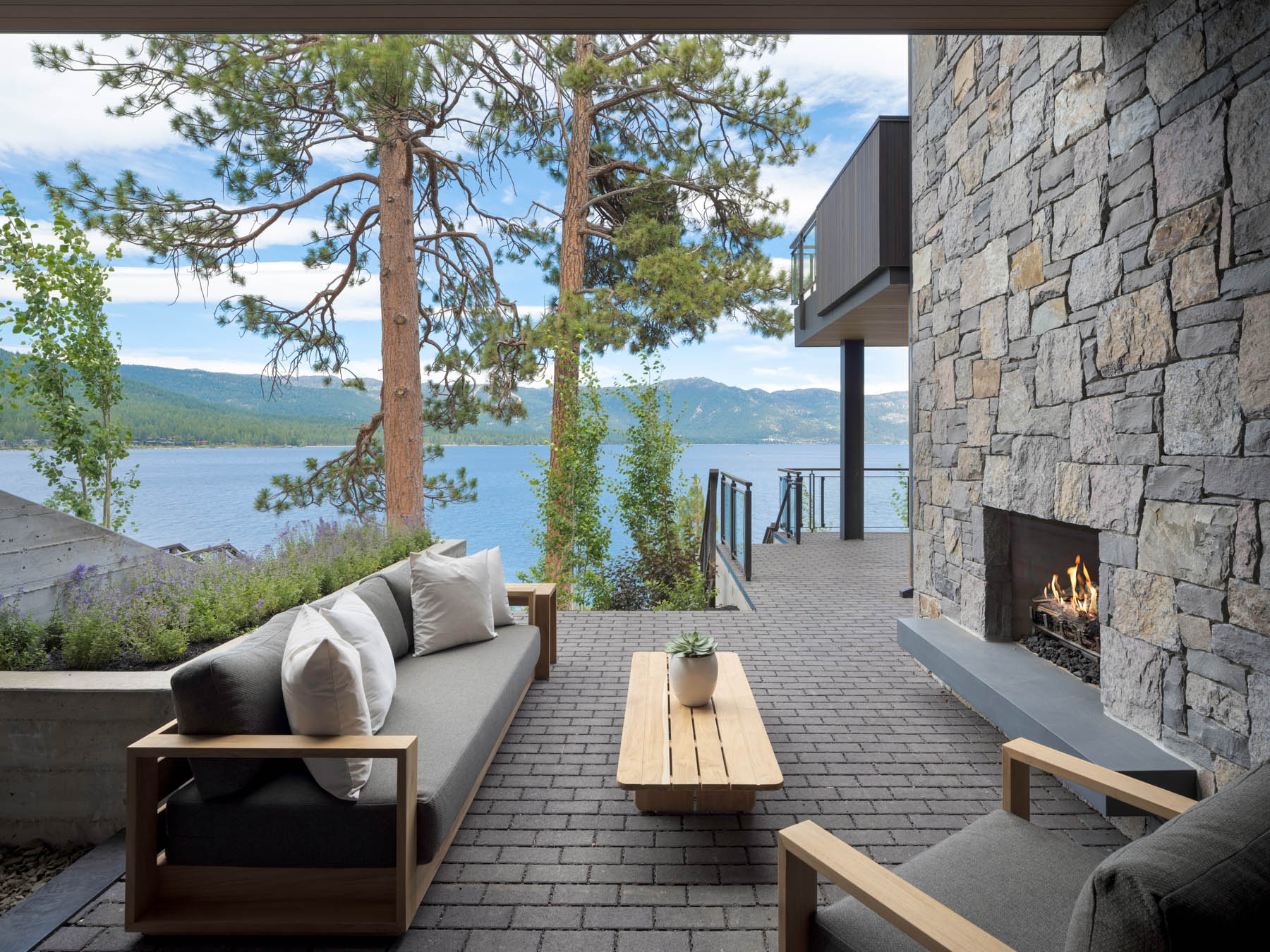
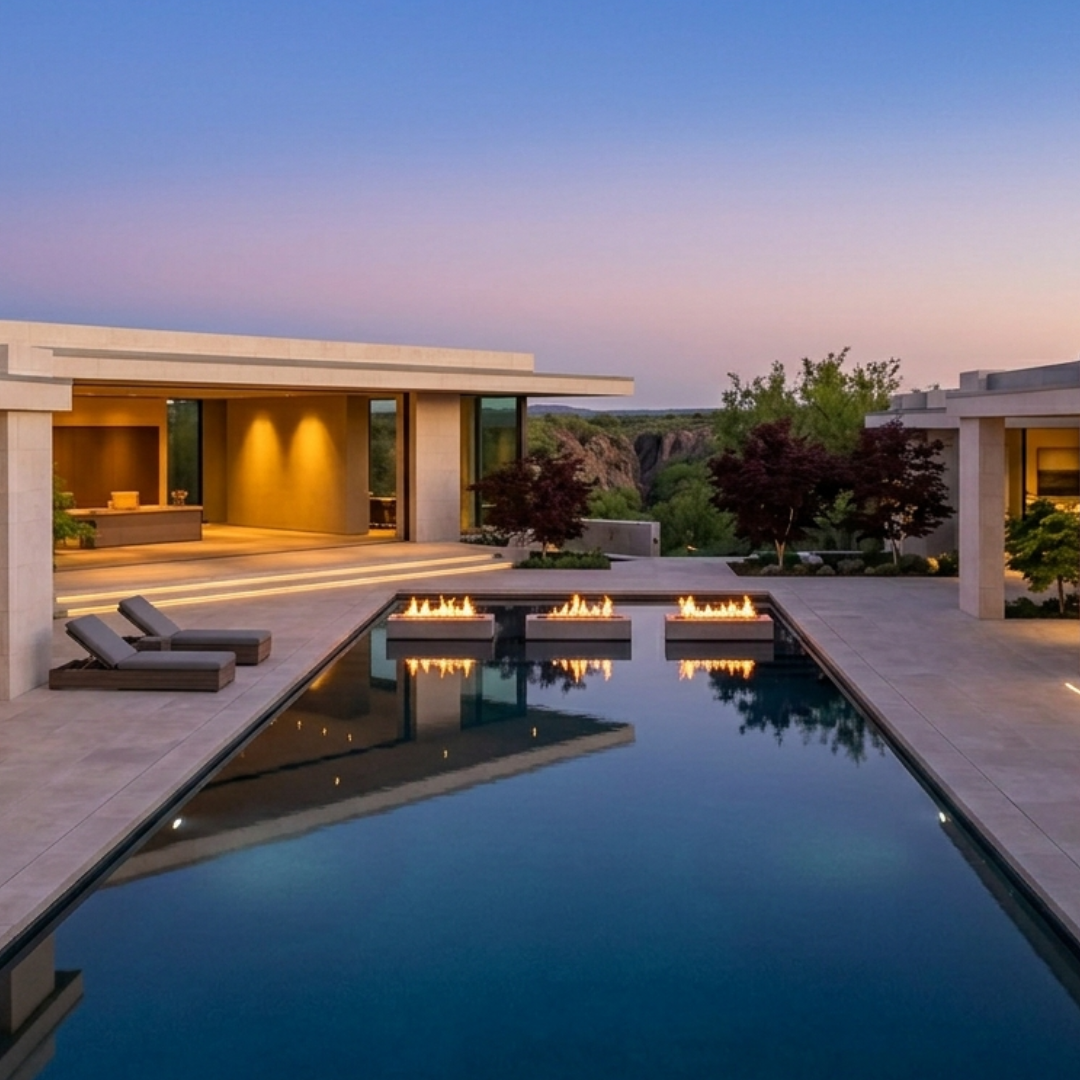
Every great home tells its story not only through its walls but through what lies beyond them. Framed views — those intentional sightlines that guide the eye — are among the most powerful yet understated tools in architecture and interior design. They define how we experience space, how we move through it, and how we feel within it.
A framed view can be architectural poetry. It captures a moment of landscape, a sliver of light, or a skyline in such a way that it becomes part of the interior narrative. Whether it’s the curve of a hill seen through a floor-to-ceiling window, the silhouette of a tree positioned in perfect alignment, or the soft geometry of a city skyline beyond the terrace — these moments ground us. They remind us that design extends far beyond walls; it’s an ongoing conversation with nature, light, and place.
The most successful homes are composed with awareness of this dialogue. They don’t just open to the outside; they frame it with purpose. Sightlines create rhythm and calm. They draw our attention to what matters — a distant horizon, a flicker of green, or even the stillness of air between structures. The Nashville home that inspired this reflection mastered that art beautifully, turning each window, doorway, and terrace into a subtle lens through which to experience the world.
To frame a view is to choreograph feeling. It’s a gesture of both restraint and intention, reminding us that architecture is emotional long before it is structural. Through careful alignment and proportion, the ordinary becomes extraordinary.
Ultimately, the power of framed views lies in their ability to slow us down — to let us see, really see, where we are. They give meaning to stillness and transform the act of looking into an experience of living.