Sensory Living
Photo Credit: Manolo Langis
How layered textures, natural light, and thoughtful materials combine to create interiors that truly nurture the senses.
A home is more than walls, furniture, or finishes—it is a curated environment that shapes how we feel and move through life. In the Paradise Valley residence, the concept of sensory living guides every decision, from material selection to spatial layout. Interior designers Magni Kalman demonstrate that when a home appeals to the senses, it creates not just visual beauty, but comfort, calm, and connection.
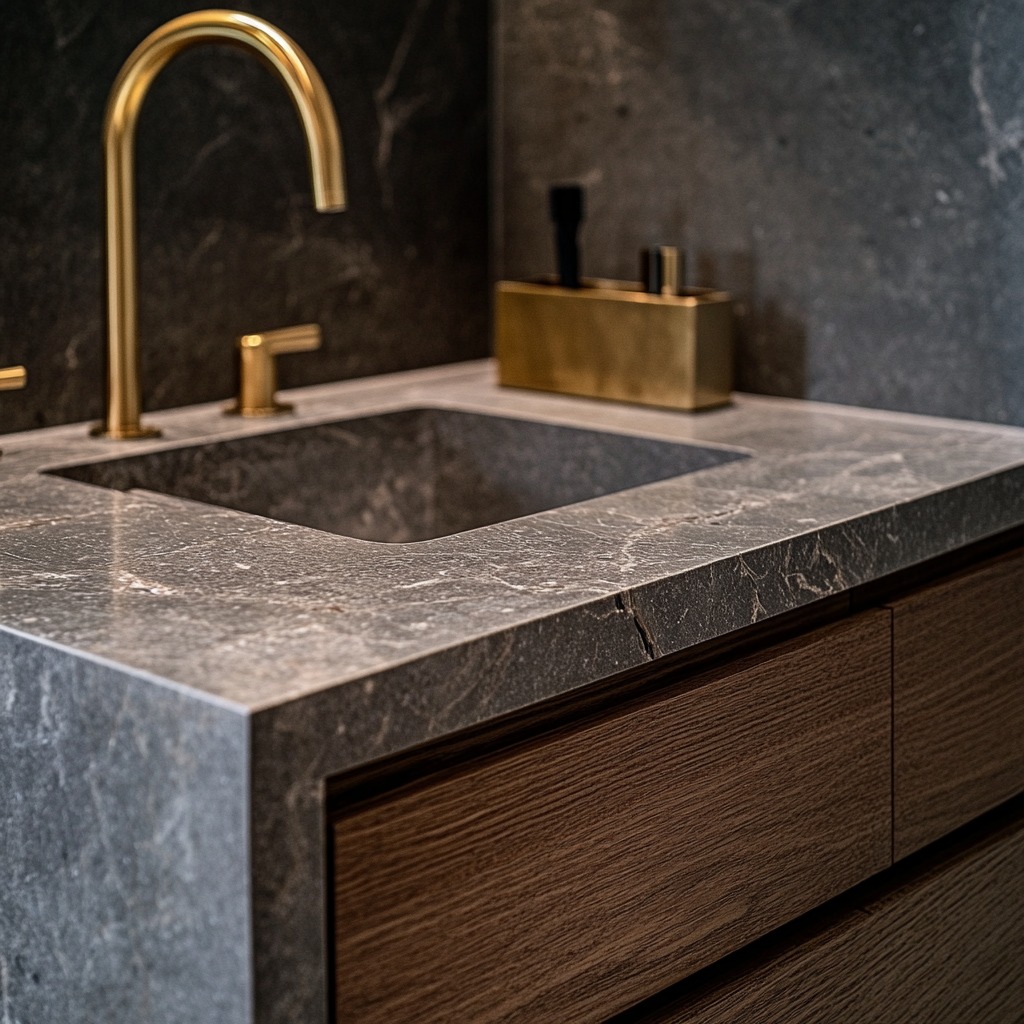
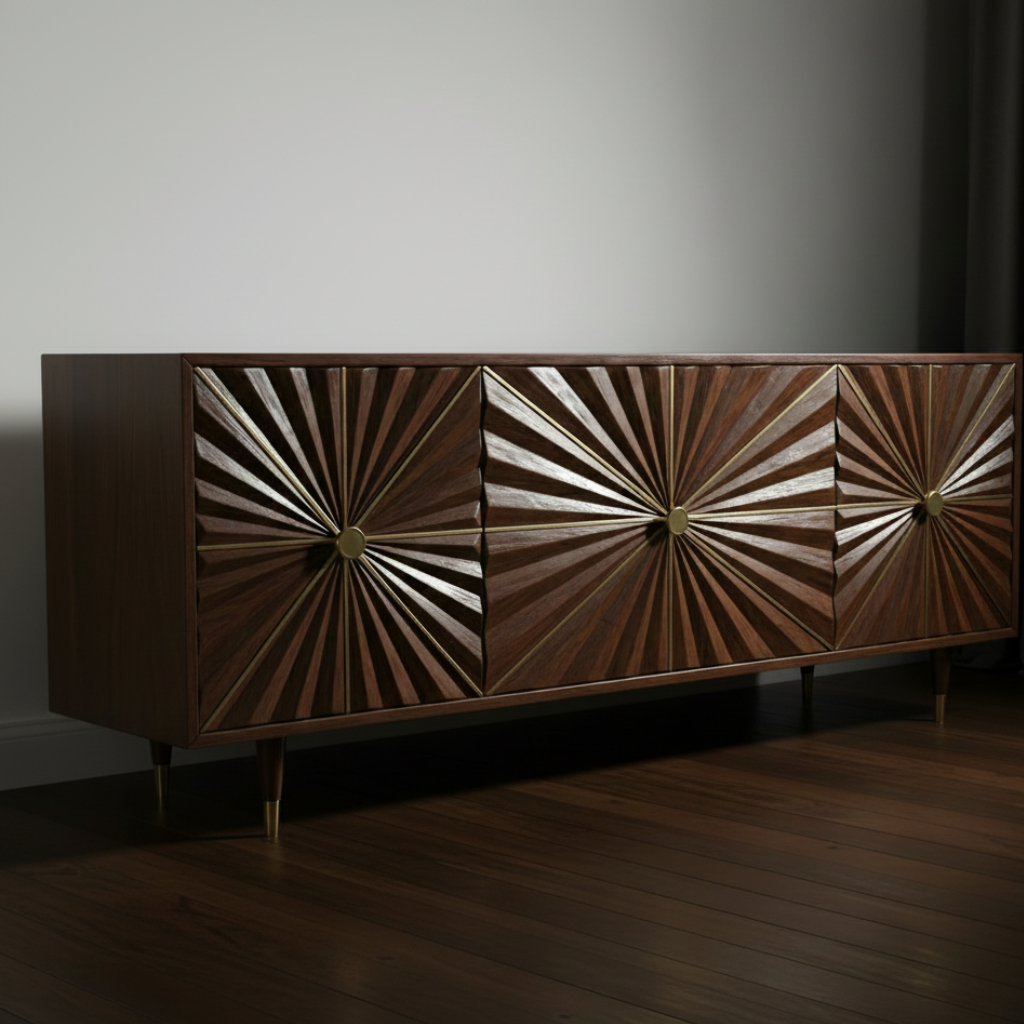
Texture is paramount. From ruched Ultrasuede chairs to silk velvet sofas and sheepskin rugs, each surface invites touch, adding depth and warmth to spaces defined by clean lines. Contrasting materials—bronze against walnut, marble against soft textiles—create subtle tension that keeps the interiors dynamic without overwhelming the senses.
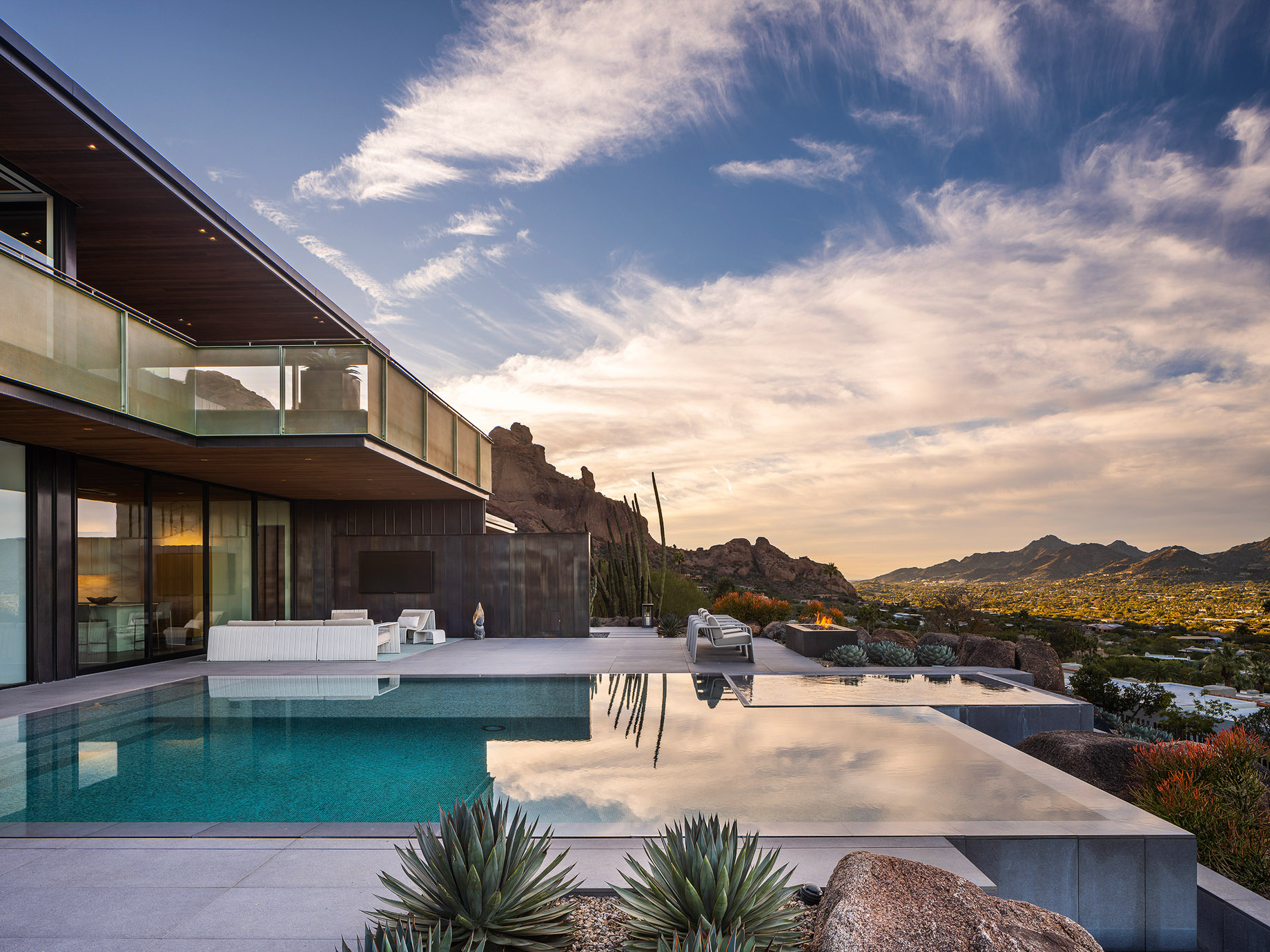
Light and color also play essential roles. Expansive glass walls dissolve boundaries between indoors and outdoors, while sunlight shifts across copper and basalt surfaces throughout the day, adding movement and life to static materials. Blues inspired by the Arizona sky, warm desert browns, and soft grays echo the landscape outside, creating harmony and grounding the interiors in their surroundings.
Spatial flow influences experience as much as materiality. Open layouts allow sightlines to carry from living areas to terraces and mountain views, encouraging a sense of expansion and ease. Furniture placement is deliberate—pieces are functional yet sculptural, guiding interaction and promoting comfort.
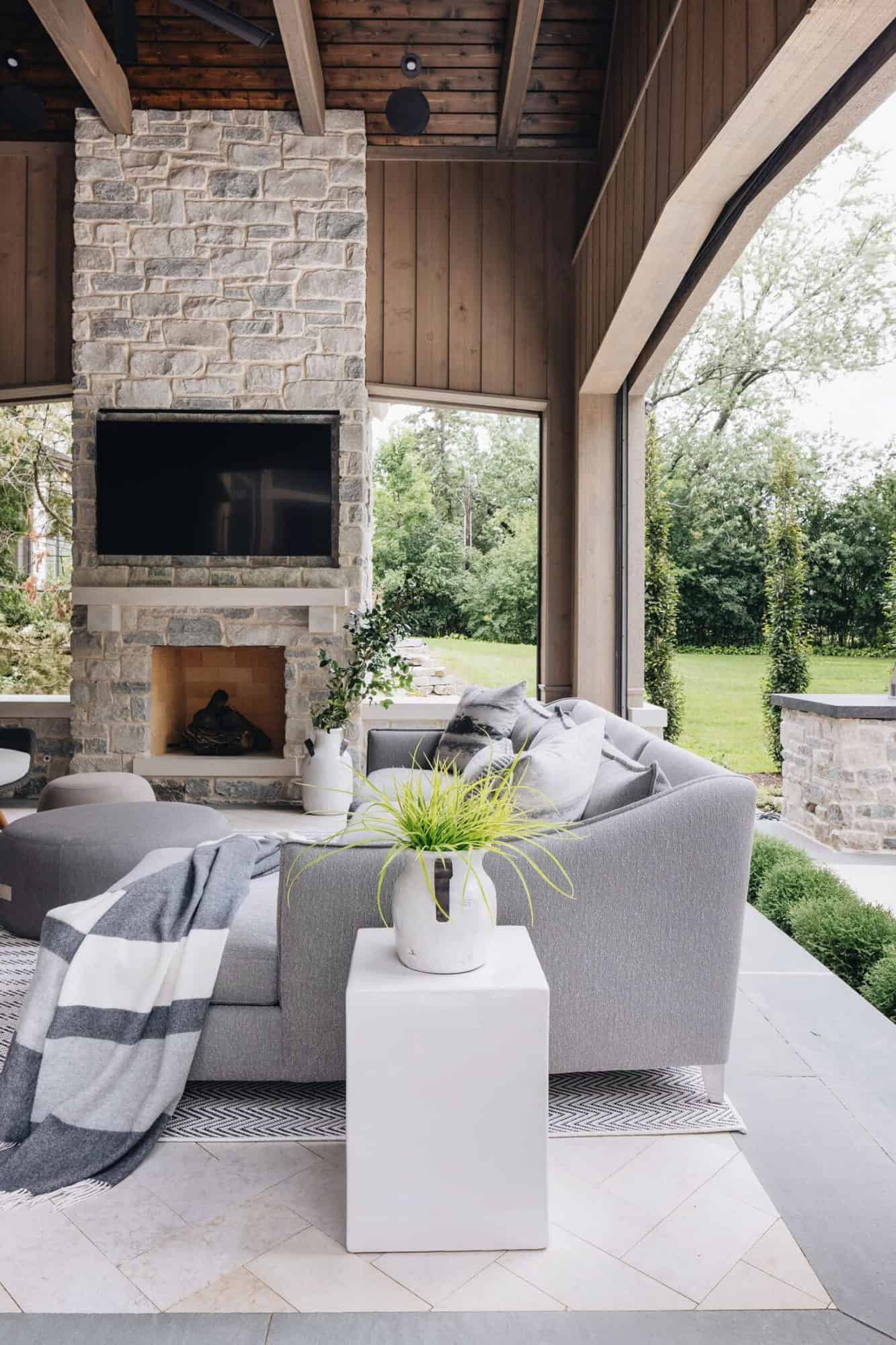
Finally, sound and tactility are considered. Rugs, textiles, and layered upholstery absorb noise and create intimate corners, while surfaces are carefully balanced between hard and soft to ensure tactile pleasure.
Sensory living is not about indulgence—it is about curating an environment that nurtures daily life. In Paradise Valley, every material, texture, and light source is orchestrated to evoke emotion, calm, and wellbeing. The result is a home that feels as good as it looks, a space where architecture, design, and human experience converge seamlessly.