Transitional Modernism
Photo Credit: Manolo Langis
Blending Warmth with Clean Lines for a curated and personal feel to a home
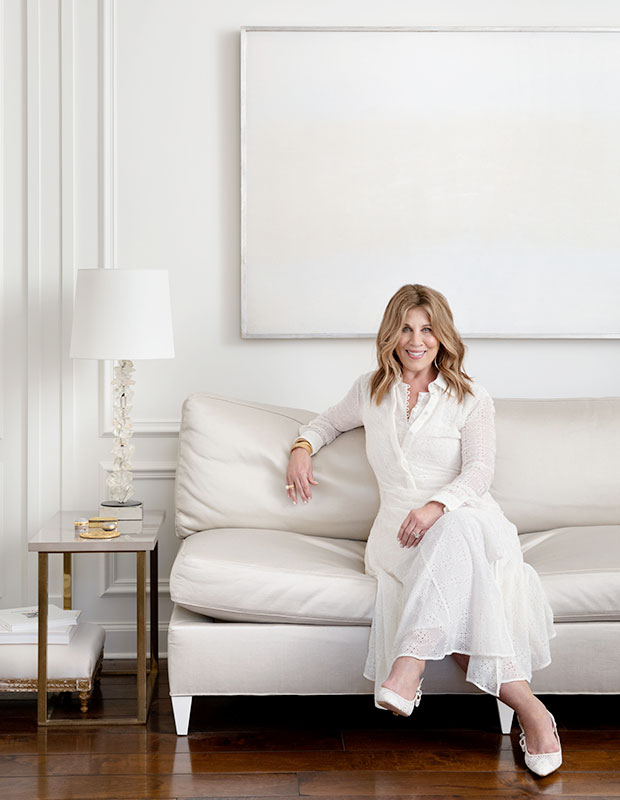
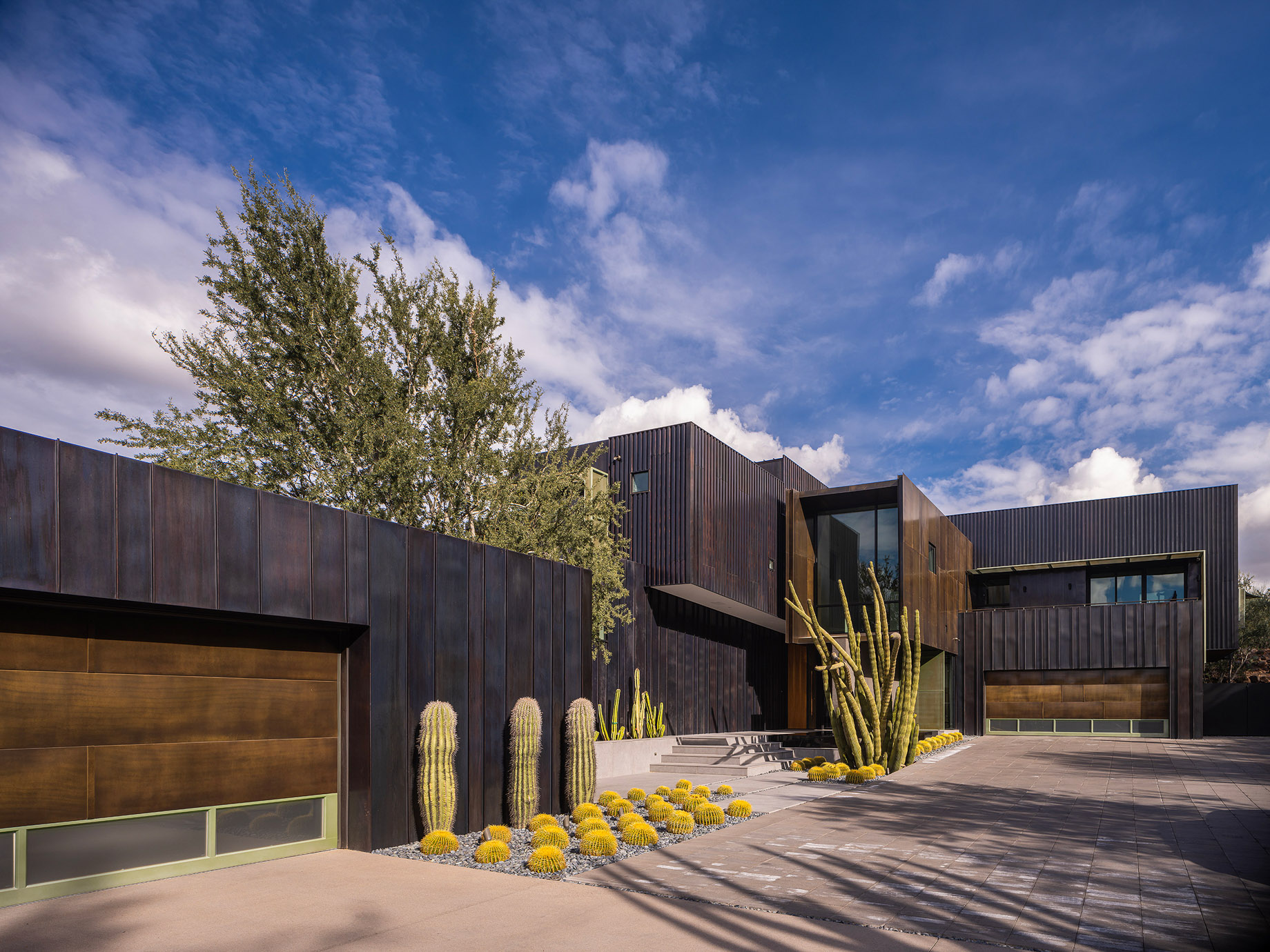
Modern design often carries a reputation for austerity—sleek surfaces, minimal ornamentation, and precise geometry. But the Paradise Valley home demonstrates how modernism can evolve into something far warmer and more inviting. The interiors, designed by Magni Kalman, embrace what they call transitional modernism: a careful dialogue between contemporary minimalism and tactile, human-focused elements. This approach proves that clean lines need not feel cold, and luxury does not require excess.
At the heart of transitional modernism is balance. Magni and Kalman start with a restrained architectural canvas: simple forms, neutral walls, and generous open spaces. From there, they introduce warmth through materials and textures—velvet sofas, Ultrasuede chairs, wool and cashmere rugs, and bronze accents. Each piece is deliberately layered, creating a sense of intimacy within the expansive floor plan. The designers’ attention to scale and proportion ensures that every item serves multiple purposes, whether visual, functional, or emotional.
Curves play a crucial role in softening linear architecture. Studio Van den Akker armchairs, with their organic silhouettes, echo natural forms, reminding occupants that the home is meant to feel lived-in, not just viewed. Even furniture selection is a study in subtle contrast: hard metals paired with soft textiles, stone with supple leather. The result is a home that feels simultaneously elegant, grounded, and approachable.
Color is another tool. Blues inspired by the Arizona sky, warm browns from desert soils, and subtle grays drawn from mountain shadows punctuate the interior palette. The effect is quiet yet deliberate, complementing the desert landscape visible through expansive glass walls. Interiors and exterior views coexist harmoniously, reinforcing the home’s sense of flow and cohesion.
Lighting is equally strategic. Magni Kalman integrate functional fixtures that also serve as sculptural elements, such as glass-drop chandeliers and statement lamps, ensuring that illumination enhances atmosphere without distracting from architecture. The interplay of natural and artificial light reinforces a sophisticated but welcoming mood throughout the day.
Ultimately, transitional modernism is about humanizing modern design. It is a philosophy that prioritizes comfort, tactility, and sensory experience alongside architectural clarity. The Paradise Valley home demonstrates that minimalism can coexist with warmth, and that refined interiors can invite touch, reflection, and connection. Magni Kalman’s approach reminds us that modernism is not a cold exercise in formality—it can be lived, felt, and deeply personal, producing spaces that elevate everyday life without sacrificing style.