The New Texas Modern
Photo Credit: Nathan Schroder Photography
How regional materials and climate-smart design are redefining modern architecture across Texas lakefronts.
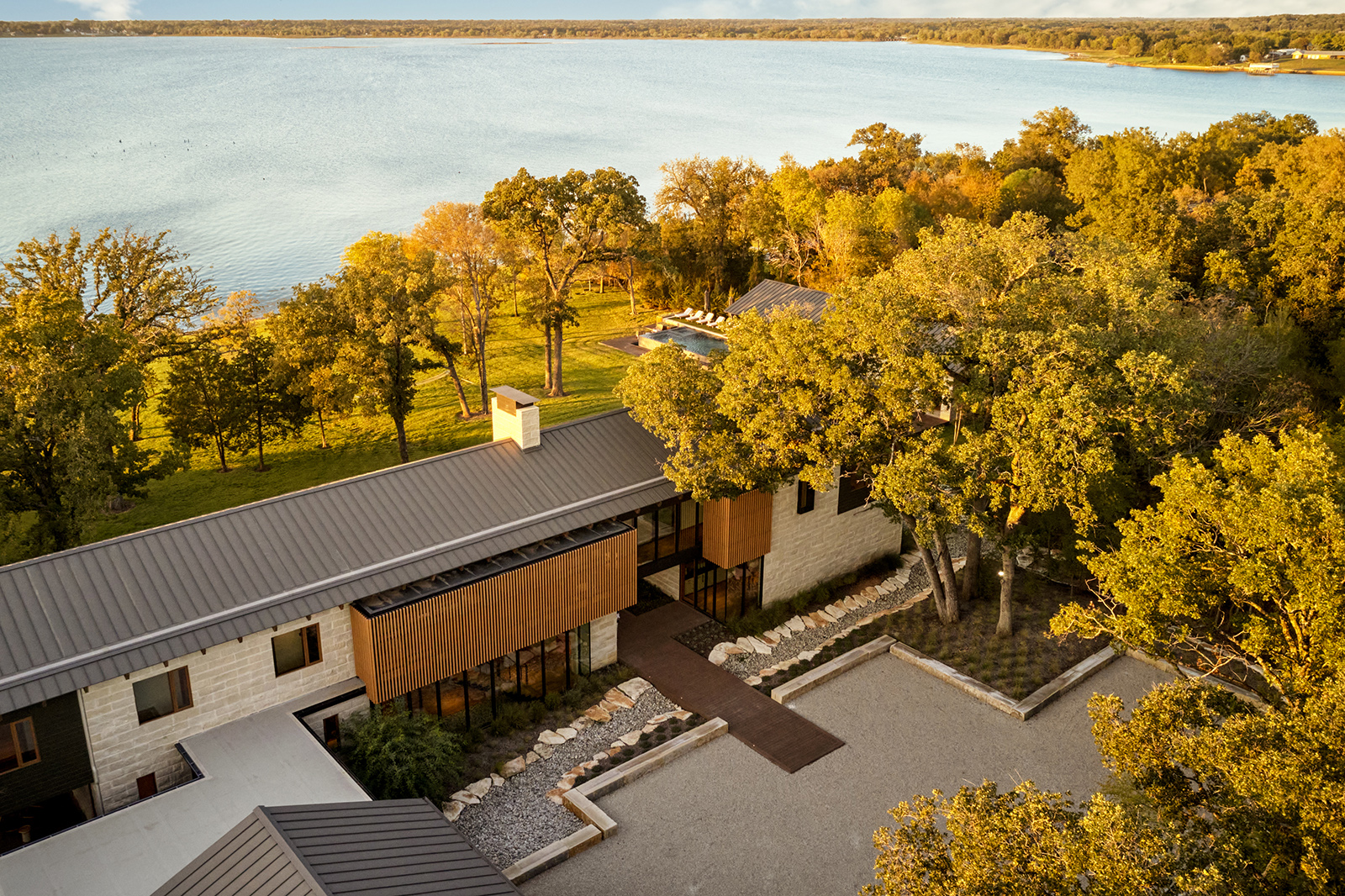
The phrase Texas Modern once conjured images of sprawling ranch homes and rugged Hill Country retreats. Today, that definition is evolving. Across the state — and most notably along its lakefronts — a new architectural language is emerging: one that blends regional authenticity with environmental intelligence. The Cedar Creek Lake House captures this evolution perfectly, offering a case study in how architecture can be both rooted and forward-looking.
Here, modernism doesn’t arrive through glass boxes or imported materials. Instead, it’s expressed through honesty — in how buildings meet the land, respond to climate, and reinterpret local vernacular. Cedar and cypress, both abundant in East Texas, are used not just decoratively but structurally. Limestone grounds the home in its landscape, while terra-cotta screens temper the harsh southern light, adding both texture and function. It’s design that speaks the local dialect fluently but with a contemporary accent.
This regional modernism also understands restraint. Rather than overwhelming the setting with form, it yields to it. The architecture prioritizes orientation, shade, cross-ventilation, and material endurance — all lessons born from living with Texas’s extremes. The result is a home that feels inherently sustainable without leaning on technology or greenwashing. It’s simply built right for its environment.
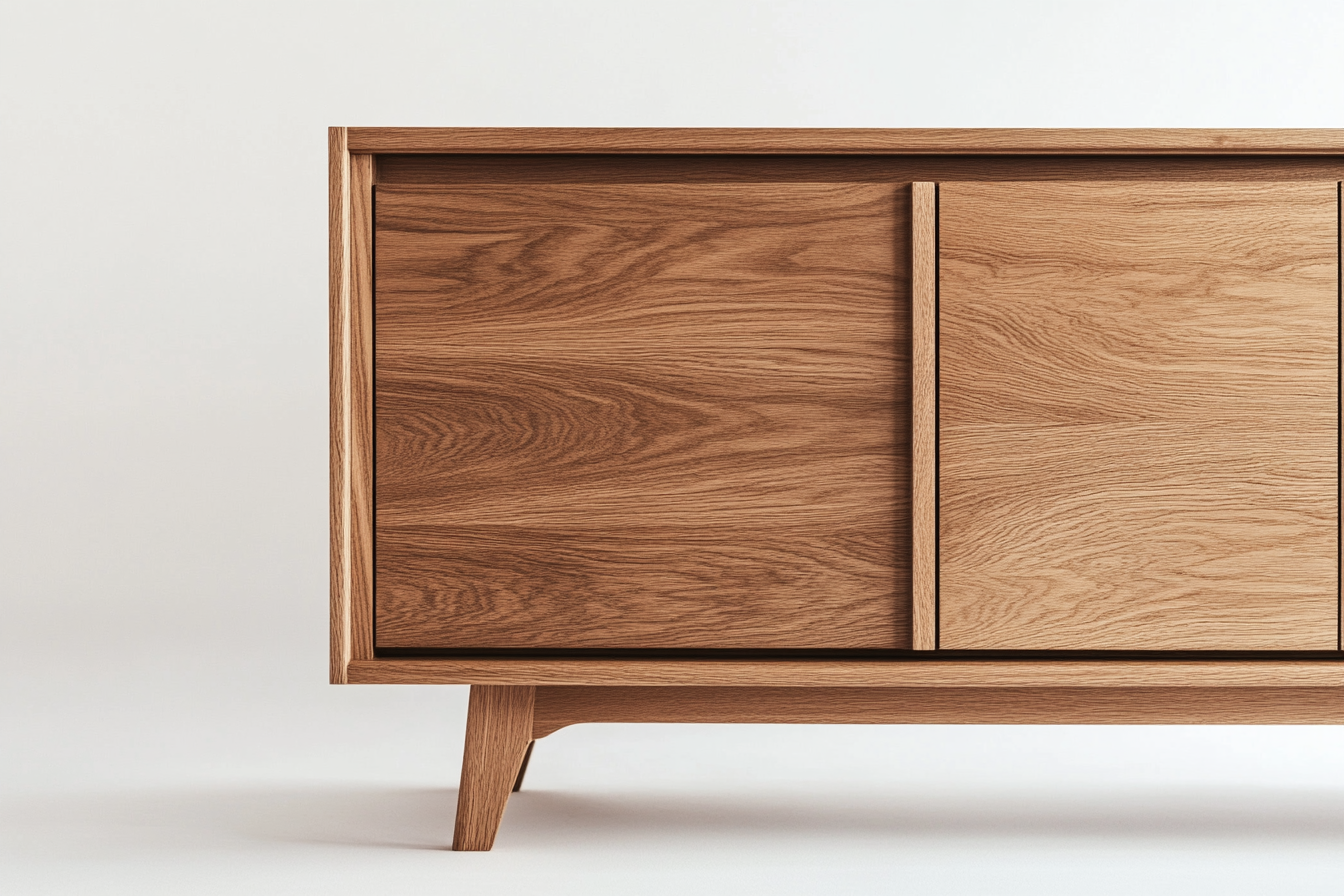
The interiors, handled by Erin Sander, mirror this ethos: elegant, unfussy, and tactile. Natural wood tones and stone finishes echo what’s just beyond the windows. Every element feels connected to place, creating continuity that’s emotional as much as visual.
What defines the New Texas Modern isn’t just style — it’s integrity. It’s architecture that listens to its site, honors material origins, and endures through thoughtful simplicity. These lakefront homes prove that innovation and tradition aren’t opposites; they’re collaborators, working together to shape spaces that belong as much to the land as to the people who inhabit them.