What Makes a Home Feel Good?
Beyond beauty—why the emotional quality of space matters.
It’s a question I often return to: what makes a home feel good? Not just look good, but genuinely evoke a sense of ease, belonging, or even quiet joy. At the Farquhar Residence in Austin’s Devonshire neighborhood—a lush, lake-adjacent enclave known for its privacy and architectural ambition—that question is quietly, confidently answered.
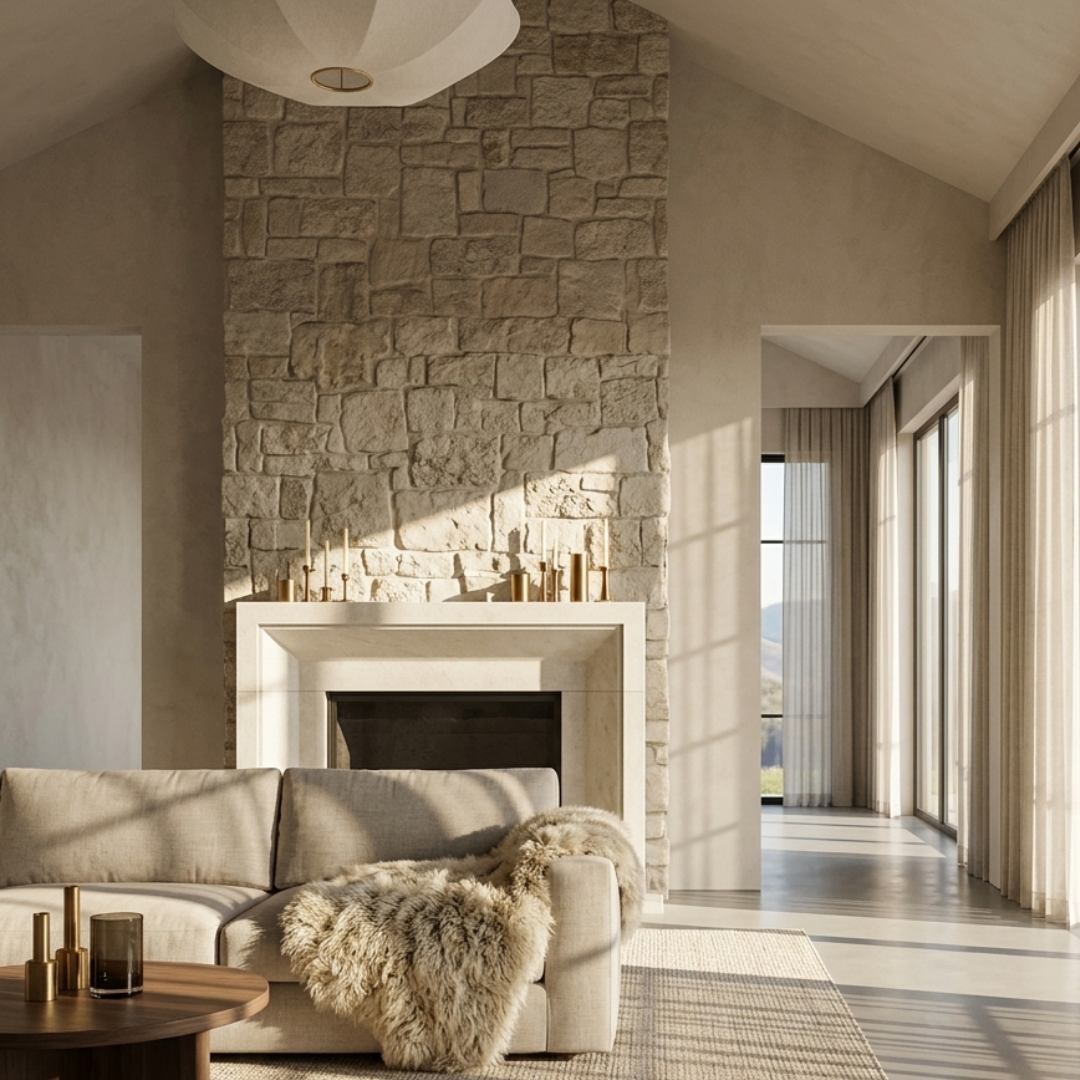
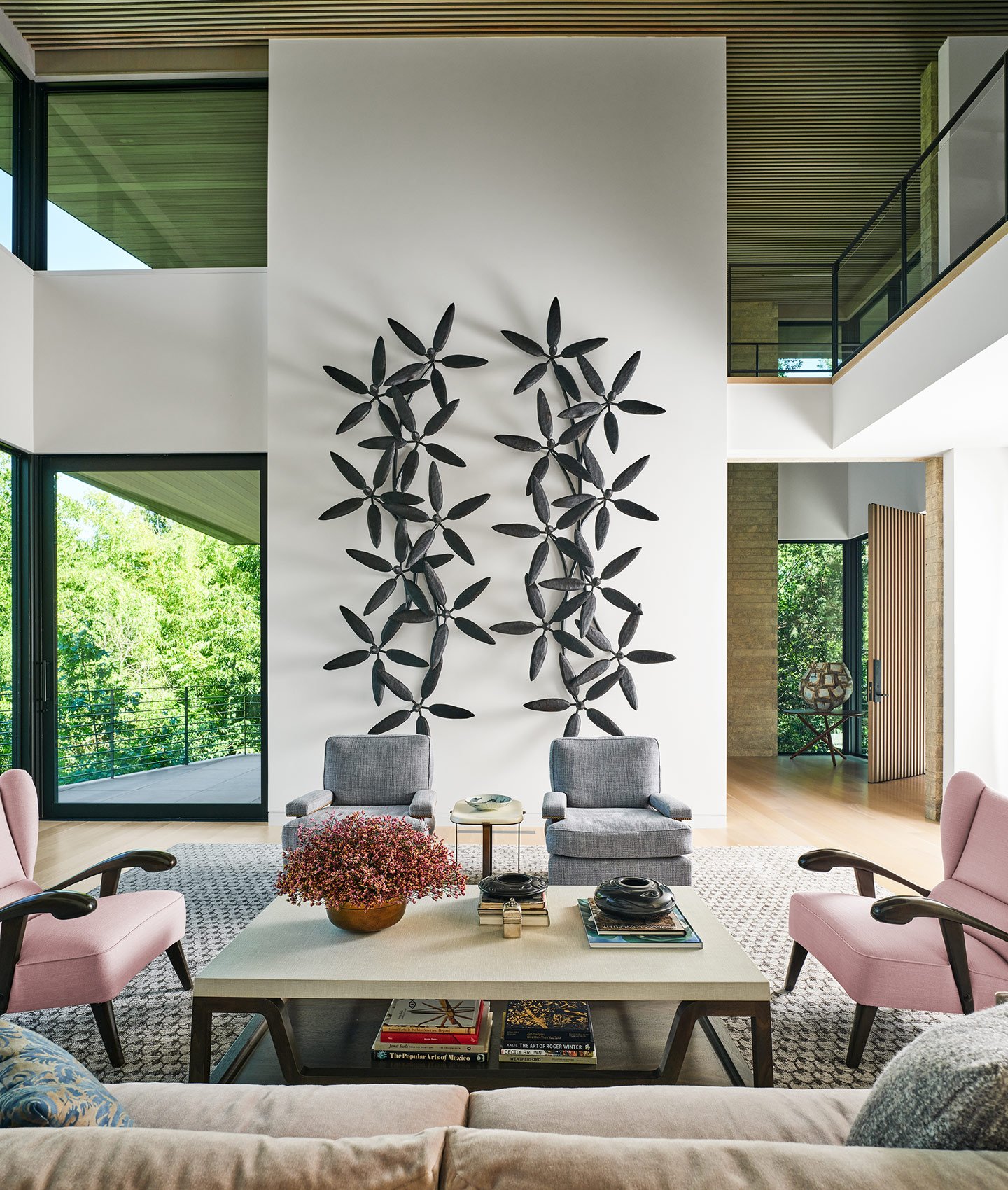
Here, the home doesn’t shout. It settles. From the moment you step into the living areas, there’s a sense of flow and openness that immediately puts you at ease. Warm white walls meet honey-toned white oak flooring, and fossil-rich limestone creates texture without drama. Light plays gently across these surfaces, while the architecture itself gently steps down the slope of the land, following the topography rather than resisting it.
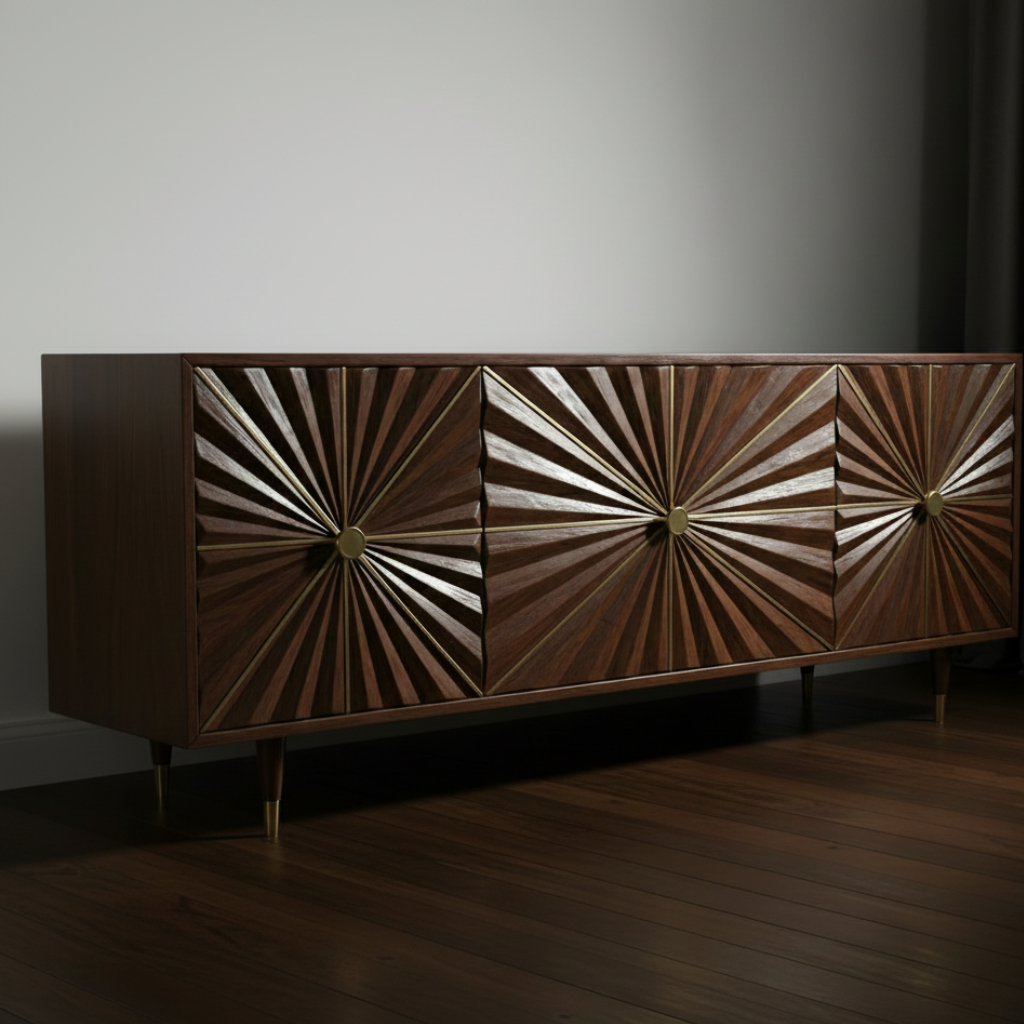
And perhaps that’s what makes it feel so good—this idea of coexistence. The kitchen, with its custom walnut millwork and soft limestone finishes, is not just a showcase of craftsmanship but a space designed for connection. It invites movement, conversation, daily life. Nothing feels over-designed or precious, yet everything is deeply intentional.
Outside, the continuity continues. Porches extend into the landscape as if they’ve always been there. A preserved live oak anchors the front yard, while limestone pavers echo the interior floors. There’s nothing performative about the luxury here—it’s embedded in the materiality, the restraint, the respect for land and light.
Ultimately, the Farquhar Residence reminds us that design isn’t just about aesthetics. It’s about how a space makes you feel in the quietest moments: comfortable, inspired, held. And in a world of architectural noise, that kind of calm confidence is a rare and beautiful thing.